Iceland
Where nothing interrupts the essential.
Iceland does not ease you in. From the air, the island announces itself — black lava fields, white glaciers, and the improbable green moss that covers everything in between — and the effect is immediate and disorienting in the best possible way. You arrive somewhere unlike anywhere else on earth. The geological forces that shaped this island are still active, still visible, and still indifferent to human presence, recalibrating your sense of scale and significance within the first hour.
Iceland travel has exploded over the past decade, and with it have come the usual problems of overtourism — crowded sites, inflated prices, and the particular disappointment of arriving at a place of legendary wildness only to find a queue and a gift shop. TravelScope approaches Iceland differently. This guide is designed to help you find the Iceland beyond the Golden Circle and the Blue Lagoon — not because those places lack merit, but because the Iceland that stays with you is the one you find when you turn off the Ring Road and drive into silence.
The question Iceland asks of every visitor is the same: how much of your comfort are you willing to trade for proximity to something real? The answer determines everything about how you experience the island.
The Atmosphere
Iceland's atmosphere is defined by elemental extremes. The wind is not a background condition — it is a presence, a force that shapes movement and thought and the landscape itself. The light changes so rapidly and so dramatically that photography becomes an act of patience rather than composition — you wait for the light, and when it comes it is unlike anything you have seen before.
The silence in Iceland is one of its greatest gifts and one of its least anticipated qualities. Drive thirty minutes from Reykjavík in any direction and the silence becomes total — no traffic, no aircraft, no human sound. Just wind and water and the particular creak of cooling lava. This silence is not empty. It is full of the kind of attention that only arrives when there is nothing competing for it.
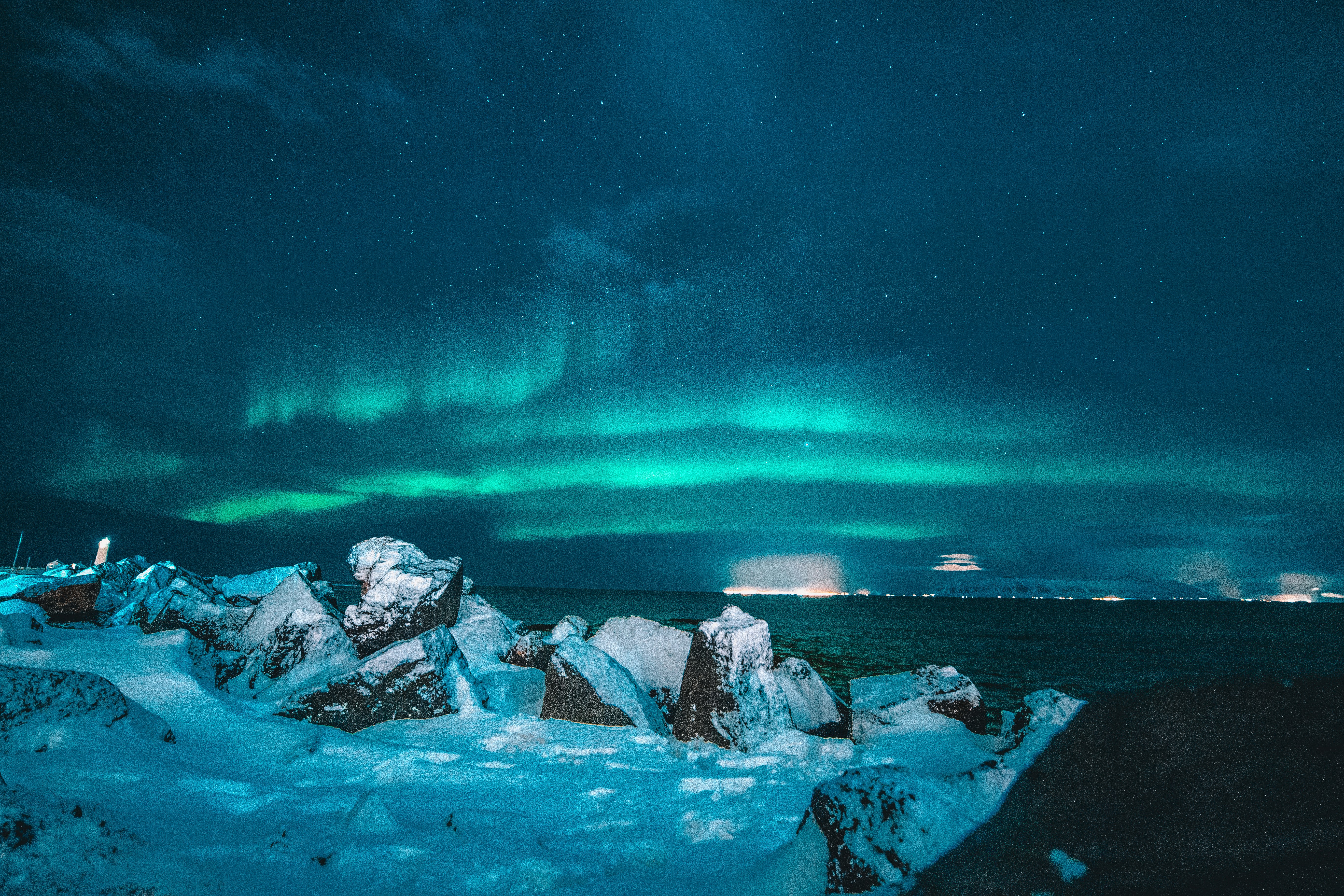
The darkness of Icelandic winter and the endless light of summer are not inconveniences to be managed — they are the experience itself. The northern lights are real and extraordinary, but they require patience and darkness and the willingness to stand in a frozen field at 2am waiting for the sky to move. The midnight sun of June requires a different kind of surrender — the abandonment of any relationship between light and sleep. Both are worth it.
The Neighbourhoods Worth Your Time
Reykjavík — The Old Town The world's northernmost capital is small enough to walk entirely in an afternoon — but it rewards slower attention. The old town around Laugavegur and Skólavörðustígur is full of independent shops, excellent restaurants, and the particular atmosphere of a city that takes culture seriously despite — or because of — its small size. The Hallgrímskirkja church dominates the skyline and the view from its tower on a clear day extends to the glaciers.
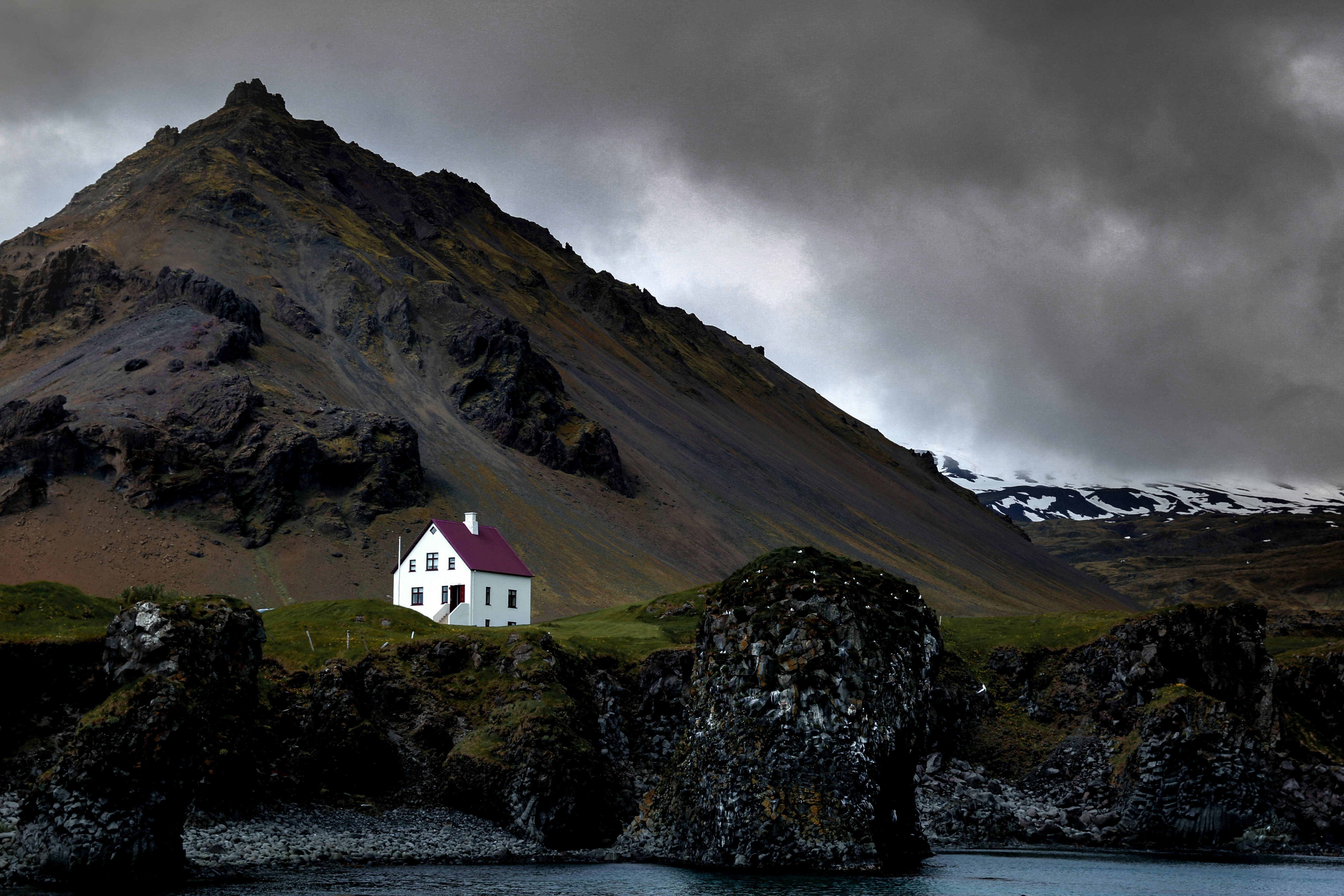
The Snæfellsnes Peninsula The most varied and arguably the most beautiful landscape in Iceland accessible on a day trip from Reykjavík — glacier, lava fields, fishing villages, sea cliffs, and the Snæfellsjökull volcano that Jules Verne used as the entrance to the centre of the earth. Come on a weekday when the tour buses are fewer.
The Westfjords The most remote and least visited region of Iceland — dramatic fjords, bird cliffs at Látrabjarg (the westernmost point of Europe), and a landscape of such austere beauty that it borders on the abstract. Requires planning and time but rewards both absolutely. This is the Iceland that exists before tourism.
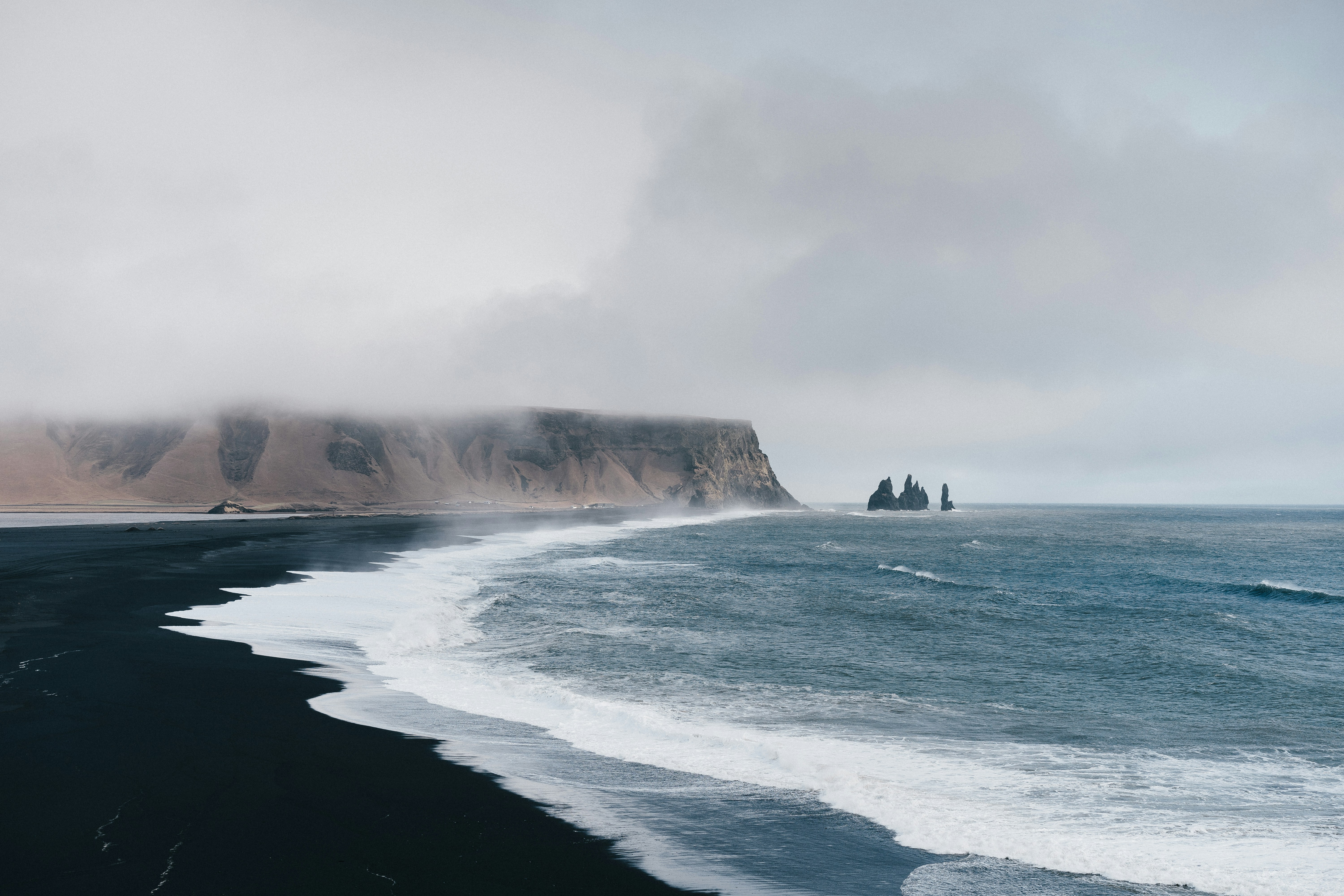
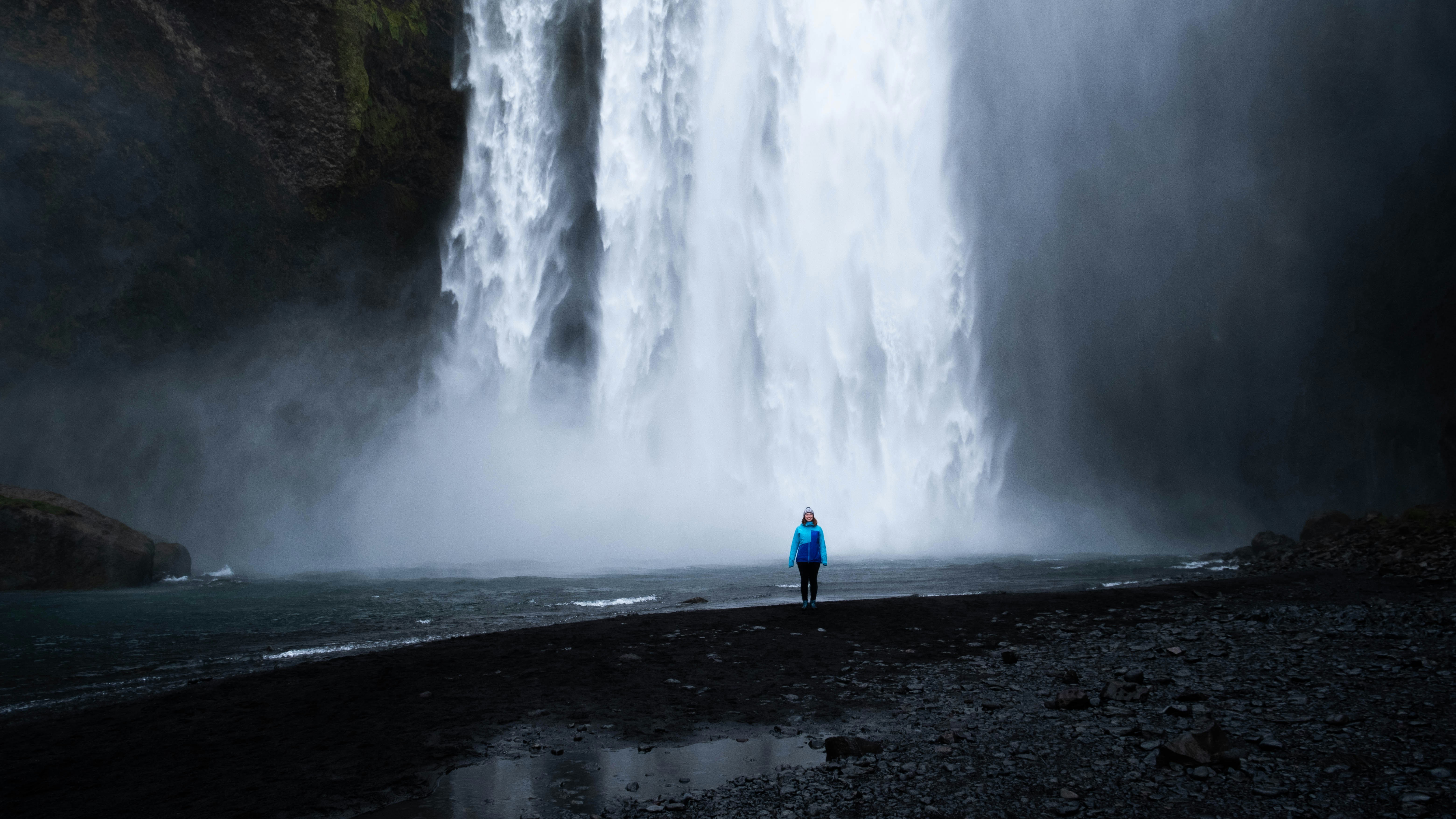
The South Coast The route from Reykjavík along the south coast — Seljalandsfoss waterfall (walk behind it), Skógafoss, the black sand beach at Reynisfjara, the glacier lagoon at Jökulsárlón — is the most dramatic single day drive in Europe. Go early and go in shoulder season.
When to Go
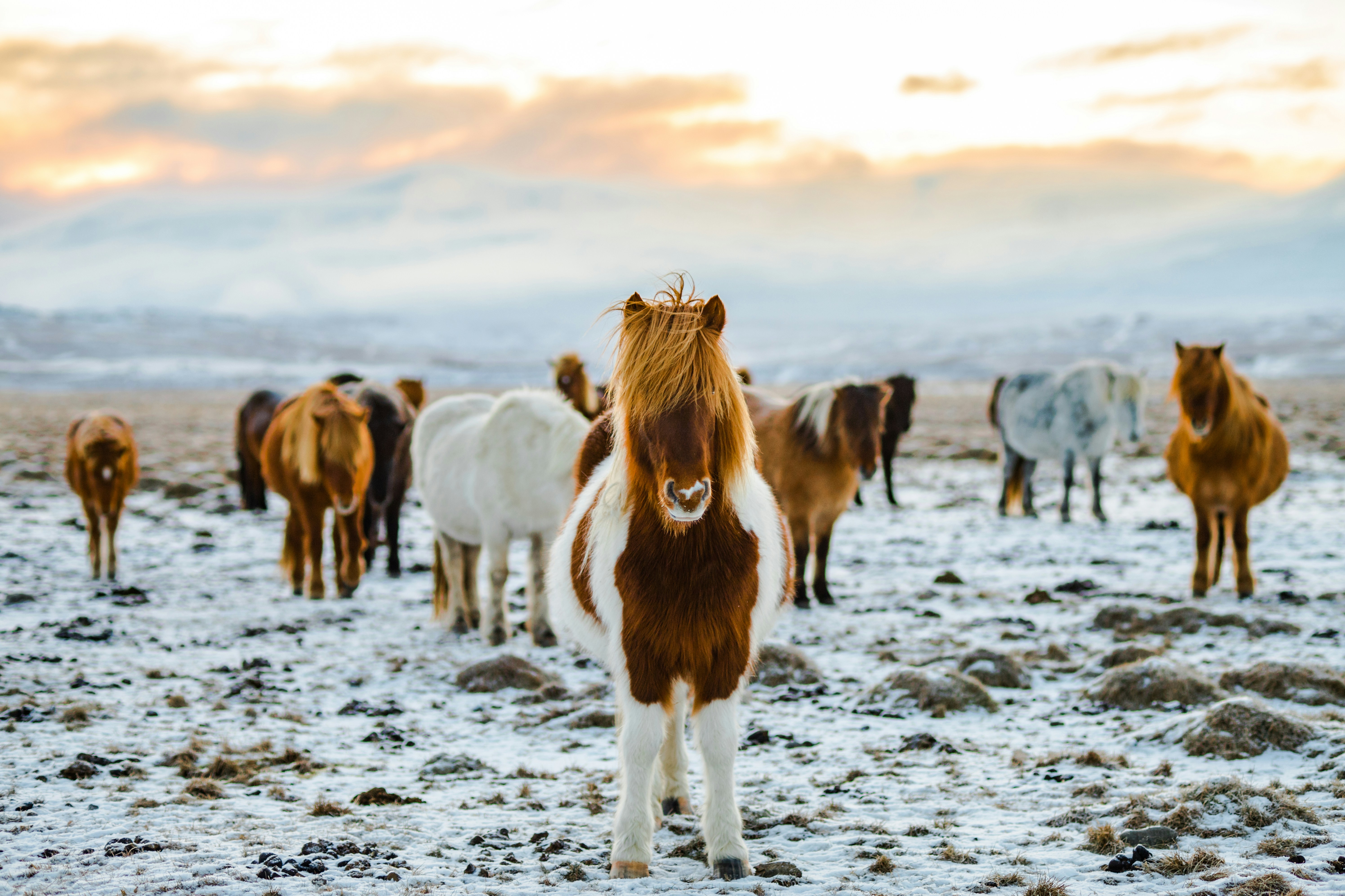
Best season: June and July for midnight sun and the full accessibility of the highlands. September and October for northern lights with enough daylight for landscape photography. Each season offers a fundamentally different Iceland.
Avoid: The peak summer weeks of late July and August when the Golden Circle and south coast sites are at their most crowded. The experience is still extraordinary but the solitude that defines Iceland at its best is harder to find.
The insider timing: The northern lights require darkness, clear skies, and solar activity. Download an aurora forecast app before you arrive. The best viewing is away from Reykjavík's light pollution — drive thirty minutes in any direction on a clear night. Patience is the only technique that works.
How to Move Through the City
Iceland is a self-drive destination. There is no meaningful public transport outside Reykjavík, and the island's greatest experiences are only accessible by car. Rent a 4WD if you plan to leave the Ring Road — the F-roads that access the highland interior require it and are legally off-limits to standard vehicles.
The Ring Road (Route 1) circles the entire island and can be driven in seven to ten days with stops. This is the classic Iceland itinerary and it works — but the best experiences are always on the roads that branch off it. The GPS on your phone will not always know these roads. Buy a paper map.
Reykjavík itself is walkable — the old town is compact and most of what matters is within thirty minutes on foot.
Where to Stay
Reykjavík — Old Town — For the city itself, the restaurants, and the cultural life of Iceland's capital. → https://www.booking.com/search.html?ss=Reykjavik+Old+Town
Selfoss / South Coast — For easy access to the south coast and the glacier lagoon. → https://www.booking.com/search.html?ss=Selfoss+Iceland
Snæfellsnes — For the peninsula and the west of Iceland, away from the tourist trail. → https://www.booking.com/search.html?ss=Snaefellsnes+Iceland
What to Do
Jökulsárlón Glacier Lagoon — The glacial lagoon on the south coast where icebergs calve from the Vatnajökull glacier and drift to the sea. One of the great natural spectacles of Europe. Go at sunrise or sunset when the light on the ice is extraordinary. → https://www.getyourguide.com/iceland-l56/jokulsarlon-glacier-lagoon-boat-tour/
Landmannalaugar Hot Springs Trek — The highland interior in summer — rhyolite mountains in colours that should not exist in nature, natural hot springs, and a silence that is total. Requires a 4WD and planning. → https://www.getyourguide.com/iceland-l56/landmannalaugar-day-tour/
Snæfellsjökull National Park — The glacier volcano on the tip of the Snæfellsnes Peninsula — one of Iceland's most atmospheric places, associated with mystery and the edge of the known world since before Jules Verne. → https://www.getyourguide.com/iceland-l56/snaefellsnes-peninsula-tour/
Northern Lights Hunt — A guided northern lights tour in winter removes the logistics and maximises the chance of a sighting. The best operators take small groups far from light pollution and wait. → https://www.getyourguide.com/reykjavik-l30/northern-lights-tour/