Kuala Lumpur
Where the towers and the temples reveal a city of contrasts.
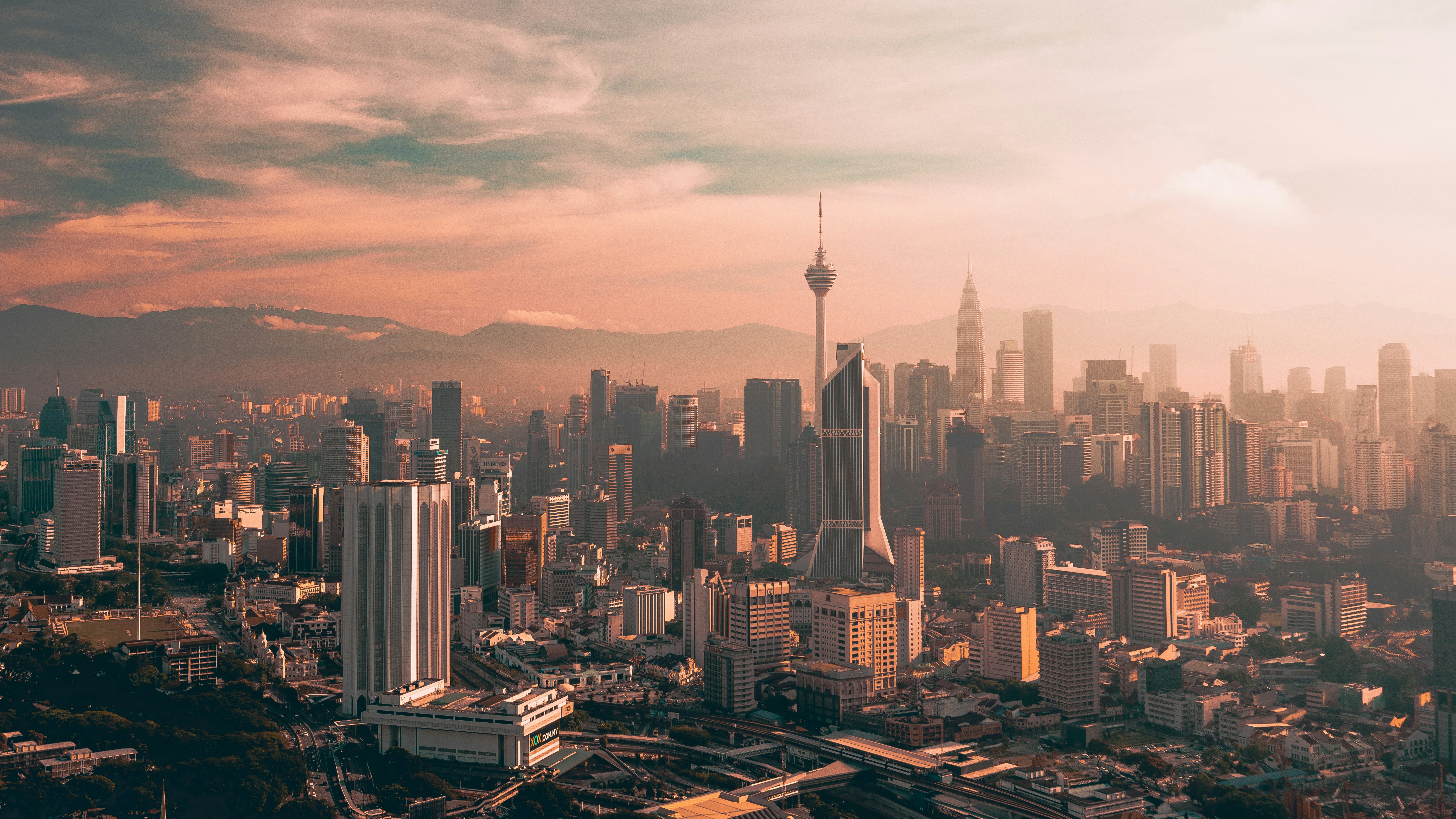
Kuala Lumpur is a city that should not work, yet works extraordinarily well. It is a metropolis of two million people built at the confluence of two muddy rivers — Kuala Lumpur means "muddy confluence" in Malay — that has, in a century, grown from a tin-mining settlement into one of the most dynamic, diverse, and visually dramatic cities in Southeast Asia. The Petronas Towers, which defined the skyline of the late twentieth century, remain among the most beautiful skyscrapers ever built. But they are not the point. The point is everything in their shadow — the food courts, night markets, temples, mosques, and colonial shophouses that make Kuala Lumpur one of the most rewarding cities in Asia for the traveler who goes beyond the obvious.
Kuala Lumpur travel rewards those who resist the temptation to treat the city as a transit stop between more celebrated Southeast Asian destinations. It is not Bali. It is not Bangkok. It is not Singapore. It is something more complicated, and ultimately more interesting, than any of those — a city of three major cultures, Malay, Chinese, and Indian, that have coexisted for generations without fully merging and have produced, in their interaction, a food culture of extraordinary complexity, an architectural landscape of wild eclecticism, and a social atmosphere of genuine warmth.
TravelScope approaches Kuala Lumpur as a city of productive contradiction — between the ultramodern and the traditional, between the sacred and the commercial, between the towers that reach for the clouds and the street food stalls in their shadows that have been feeding the city since before the towers existed.
The Atmosphere
Kuala Lumpur's atmosphere is defined by heat, rain, and extraordinary food. The city sits close to the equator and operates under a tropical climate of intense heat and afternoon thunderstorms that arrive with operatic drama and depart leaving the air clean and cool. This rhythm — heat building through the morning, storm in the afternoon, relief in the evening — shapes how the city lives. The best street food appears after dark, when the temperature drops and the night markets open and the city's real social life begins.
The sound of Kuala Lumpur is the sound of a city where multiple realities coexist within metres of each other. The call to prayer from the National Mosque echoes across a neighbourhood where Chinese temple bells are ringing and Tamil film music is playing from a shop on the corner. This acoustic plurality is not noise — it is the city's defining quality, the sound of three cultures negotiating a shared space with a patience and mutual tolerance that the world could learn from.
The food in Kuala Lumpur deserves its own paragraph and will not receive adequate treatment in any number of paragraphs. It is simply the best urban food culture in Southeast Asia — more varied than Bangkok, more accessible than Singapore, more surprising than anywhere else in the region. Nasi lemak for breakfast, char kway teow for lunch, roti canai at 3am — the city never stops feeding its residents, and the visitor who eats where the locals eat will experience one of the great food destinations on earth.
The Neighbourhoods Worth Your Time
Bukit Bintang The commercial and entertainment heart of modern Kuala Lumpur — the Pavilion mall, Jalan Alor (the best food street in the city), the Changkat Bukit Bintang bar district, and the Bintang Walk that connects them. This is KL at its most urban and most international — overwhelming on first arrival and addictive within twenty-four hours.
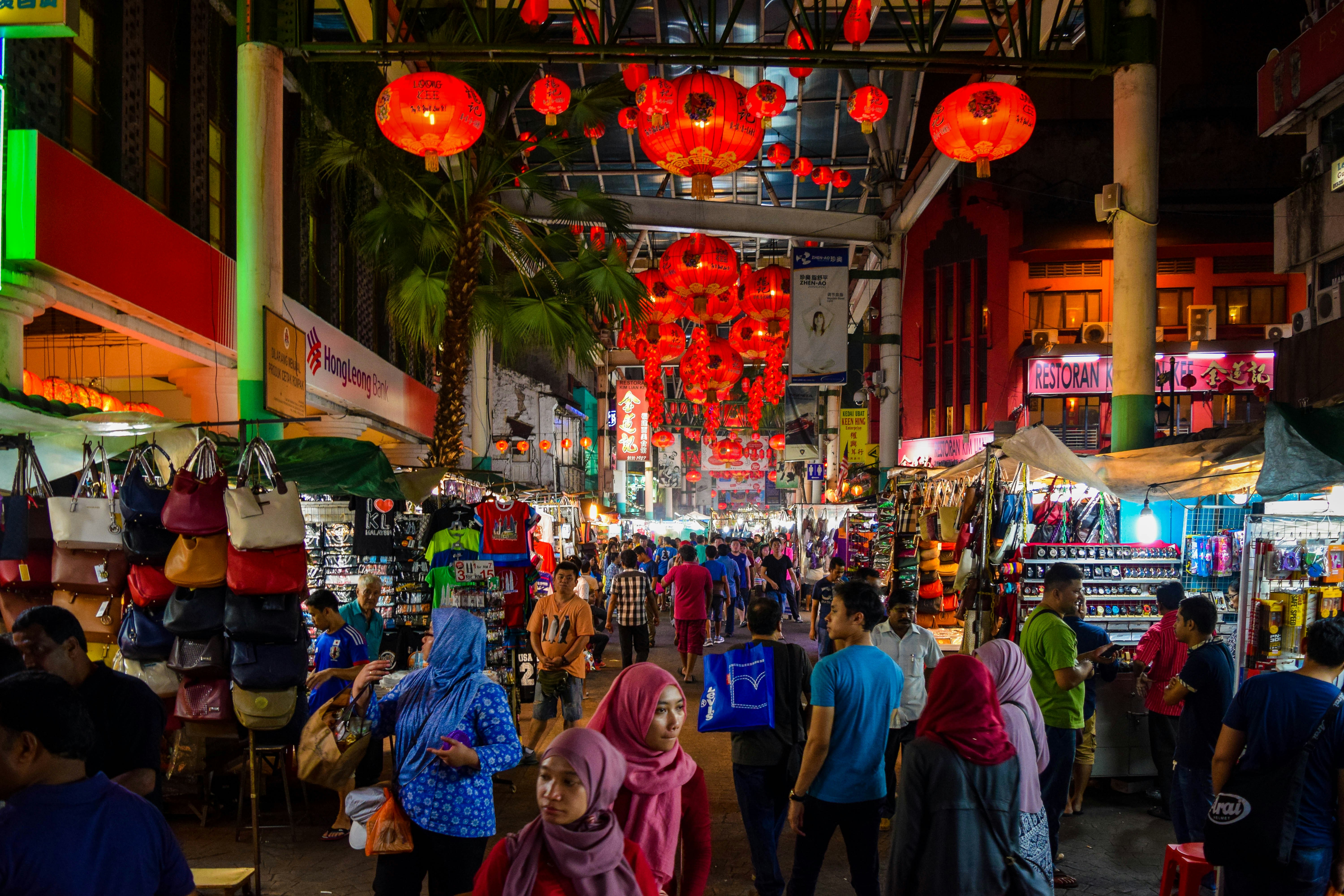
Chinatown — Petaling Street The historic Chinese quarter — a covered market street of extraordinary density, flanked by shophouses that have been trading since the city's founding, and surrounded by temples, coffee shops, and the particular atmosphere of a community that has maintained its character through every transformation of the city around it. The Sri Mahamariamman Temple at the entrance to Chinatown is one of the most ornate Hindu temples in Malaysia. Come in the morning for the best of the market.
Masjid India and Chow Kit The Malay and Indian quarters north of the city centre — the Masjid India textile market, the Chow Kit wet market (the best in the city, extraordinary at dawn), and the particular atmosphere of neighbourhoods that serve their communities rather than their visitors. Come with curiosity and without an agenda.
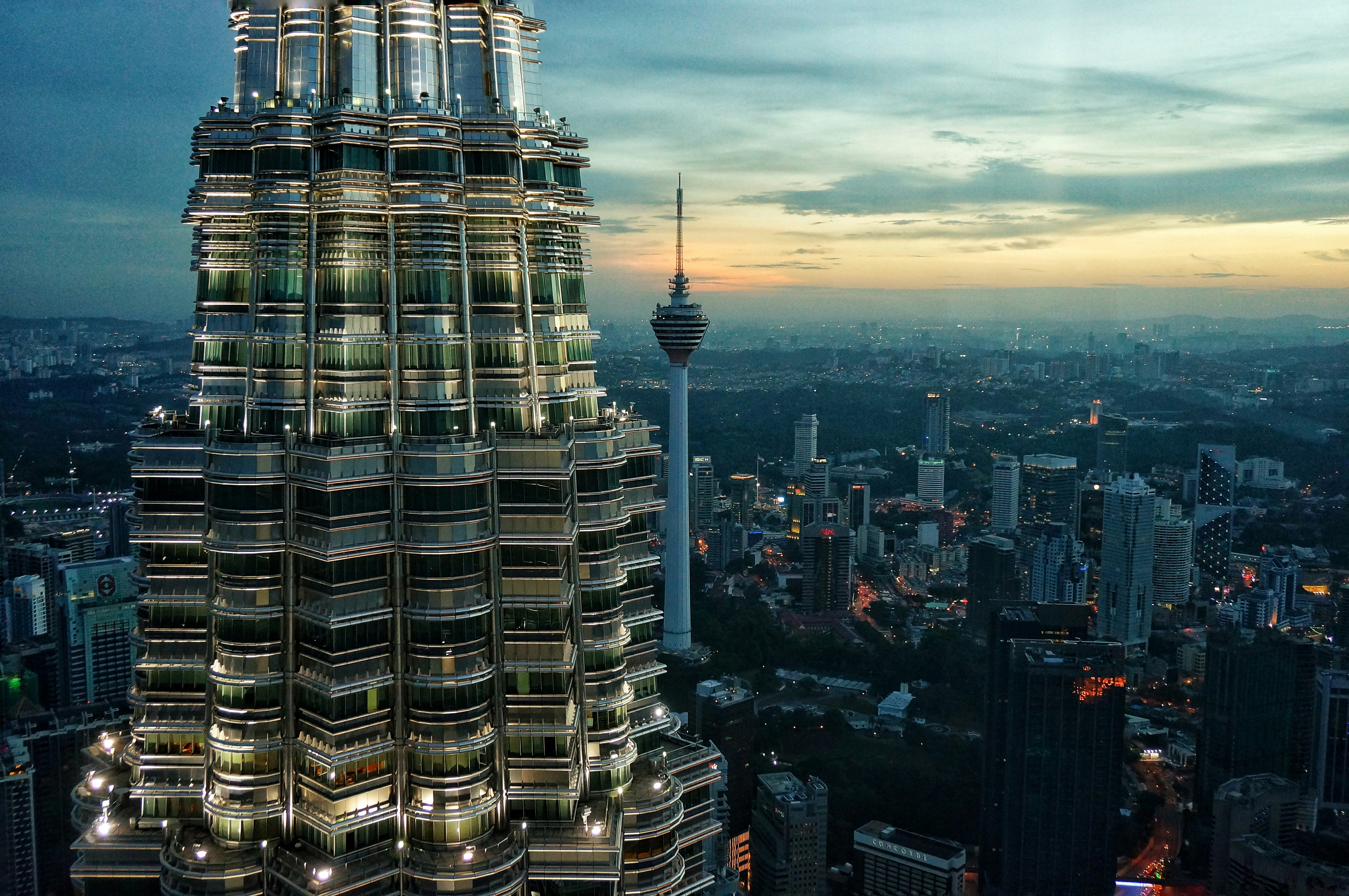
KLCC — The Petronas Towers The Petronas Towers are best experienced from the KLCC Park below — the reflection pool, the fountains, and the view of the towers against the sky at dusk is one of the great urban spectacles in Asia. The Skybridge connecting the towers at the 41st floor is open to visitors by timed ticket. The surrounding mall is enormous and largely avoidable.
Bangsar The most cosmopolitan residential neighbourhood in KL — independent restaurants, excellent coffee shops, the Bangsar Sunday Market, and the particular energy of a neighbourhood where the city's professional class lives and eats well. Come for dinner at one of the restaurants on Telawi Street and stay for the evening.
When to Go
Best season: May to July and December to February. The two monsoon seasons affect different parts of Malaysia at different times — KL receives rain year-round but the heaviest falls between October and March on the west coast. May to July is generally the driest and most comfortable period for extended walking.
Avoid: There is no truly bad time to visit KL, but the Hari Raya period (end of Ramadan, dates vary annually) sees significant domestic travel and hotel price increases. The city itself is quieter during this period as many residents return to their home states.
The insider timing: The Chow Kit market is best between 6am and 8am — before the heat and before the best produce is gone. Jalan Alor food street is best between 7pm and 9pm when all the stalls are operating at full capacity. The Petronas Towers at dusk — arrive at KLCC Park at 6pm and watch the towers change colour as the sun sets behind the city.
How to Move Through the City
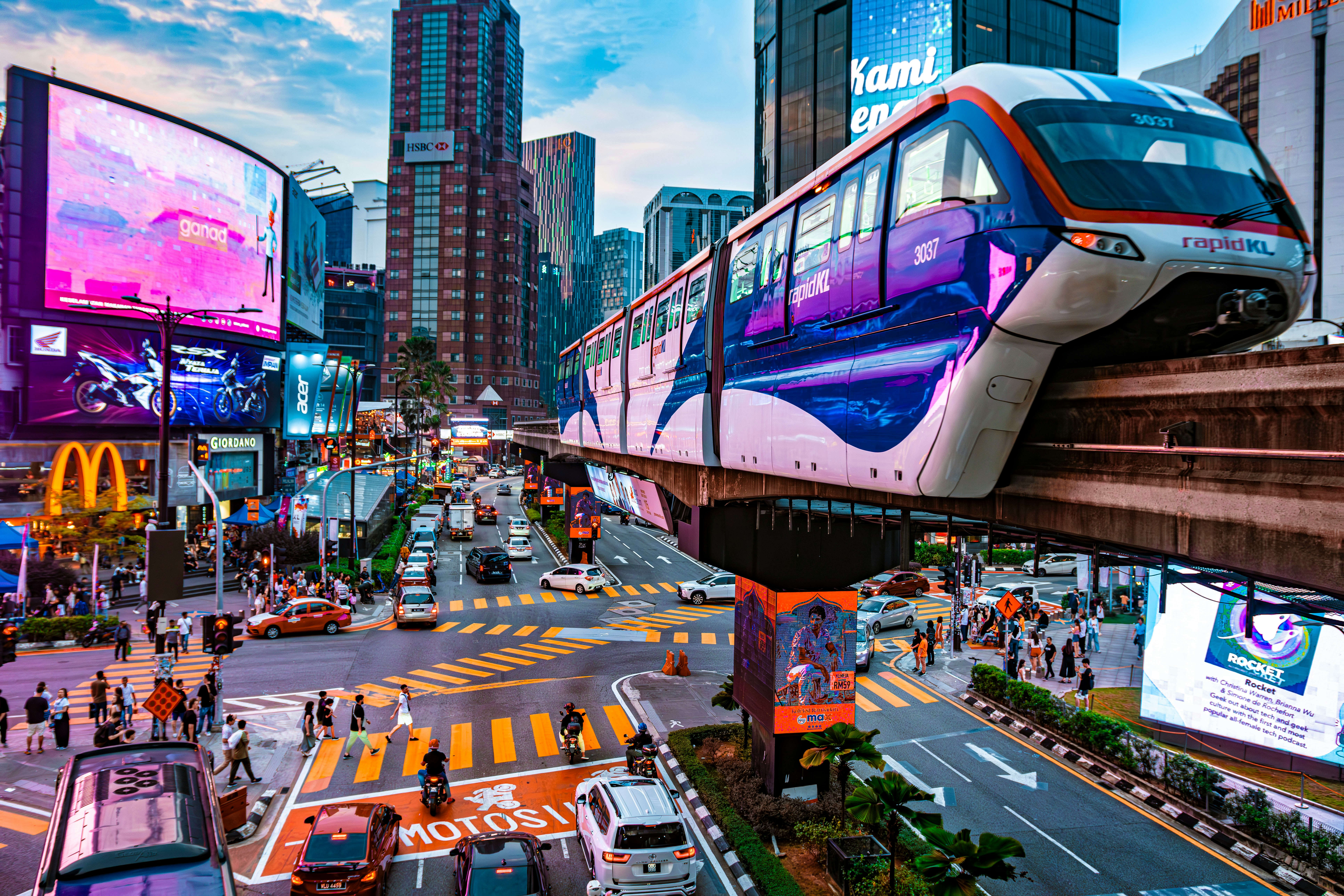
Kuala Lumpur has a comprehensive public transport system that connects the major tourist areas efficiently — the MRT, LRT, Monorail, and KTM Komuter lines all use the same Touch 'n Go card and cover most destinations a visitor needs. The KL Sentral transport hub connects all lines and the KLIA Ekspres airport train.
Grab — the Southeast Asian ride-hailing app — is essential for reaching destinations not well served by rail and for navigating the city after dark. It is inexpensive, reliable, and eliminates the taxi negotiation that once defined KL transport. Download it before you arrive.
Walk within neighbourhoods — Bukit Bintang, Chinatown, KLCC — where the scale is manageable and the discoveries are at street level. The heat makes extended walking demanding — hydrate constantly, seek shade, and time outdoor exploration for the early morning and evening.
Where to Stay
Bukit Bintang — For the best location, food street access, and the full KL experience. → https://www.booking.com/search.html?ss=Bukit+Bintang+Kuala+Lumpur
KLCC — For the Petronas Towers views and proximity to the park and mall. → https://www.booking.com/search.html?ss=KLCC+Kuala+Lumpur
Bangsar — For a more residential, less tourist-facing KL experience. → https://www.booking.com/search.html?ss=Bangsar+Kuala+Lumpur
What to Do
Petronas Towers Skybridge — The bridge connecting the twin towers at the 41st floor — timed entry, book in advance. The view over KL from the bridge is extraordinary and the engineering of the towers, explained by the guides, is worth understanding. → https://www.getyourguide.com/kuala-lumpur-l189/petronas-towers-skybridge-ticket/
Jalan Alor Night Food Street — The best single street for KL food culture — grilled seafood, char kway teow, satay, durian, and the particular atmosphere of a Malaysian night market at full capacity. Come hungry, come with company. → https://www.getyourguide.com/kuala-lumpur-l189/kuala-lumpur-food-tour/
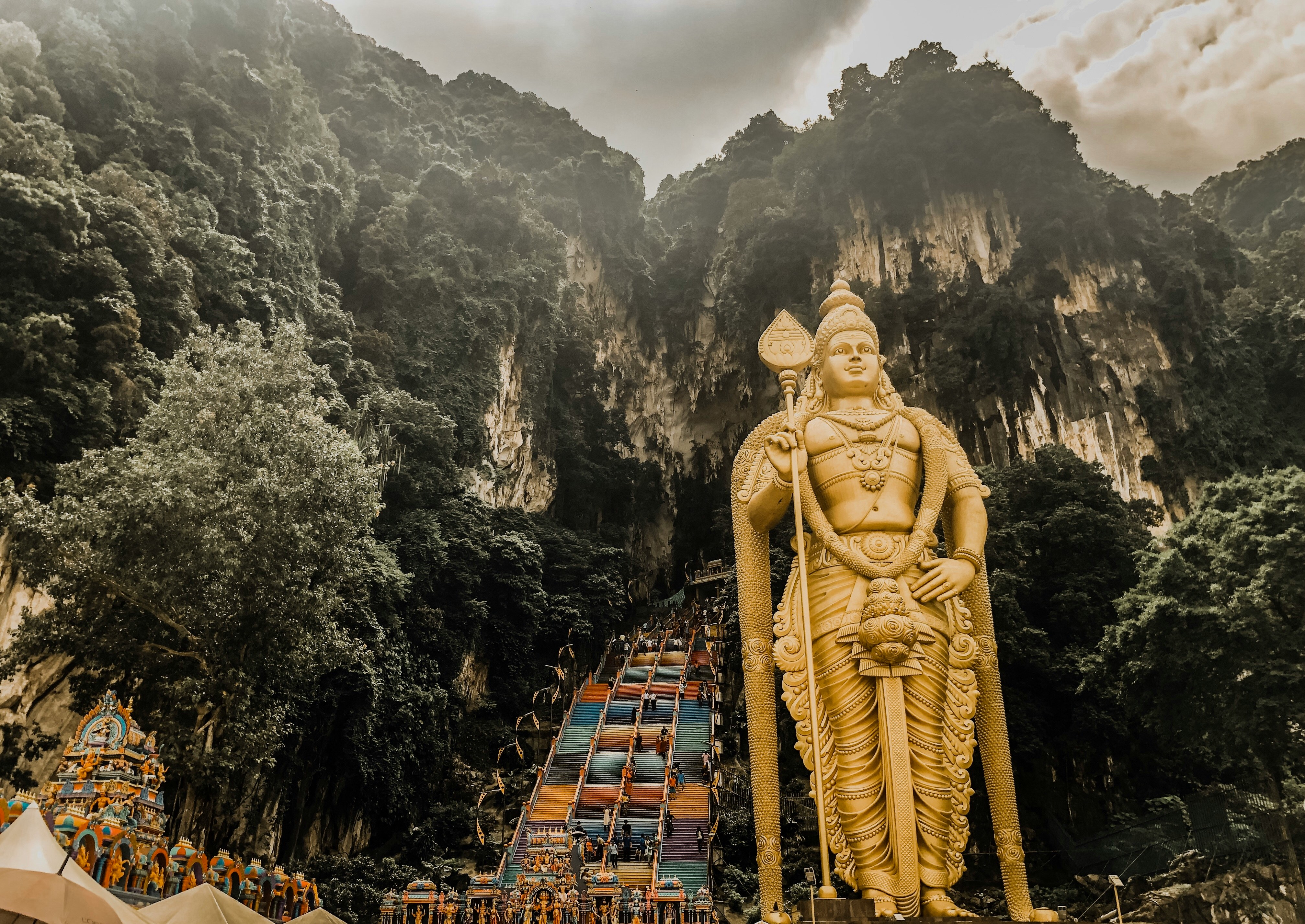
Batu Caves — Early Morning — The Hindu temple complex built into a limestone hill north of the city — 272 steps, a golden statue of Murugan, and cave temples of genuine religious importance. Come before 8am when the light on the limestone is extraordinary and the crowds are minimal. → https://www.getyourguide.com/kuala-lumpur-l189/batu-caves-tour/
Islamic Arts Museum — One of the finest museums of Islamic art in the world, housed in a beautiful building south of the National Mosque. Undervisited and exceptional — the collection of architecture models, textiles, and calligraphy is extraordinary. → https://www.getyourguide.com/kuala-lumpur-l189/kuala-lumpur-cultural-tour/