Lisbon
Where the ocean, the river, and the hills create one of Europe's most luminous cities.
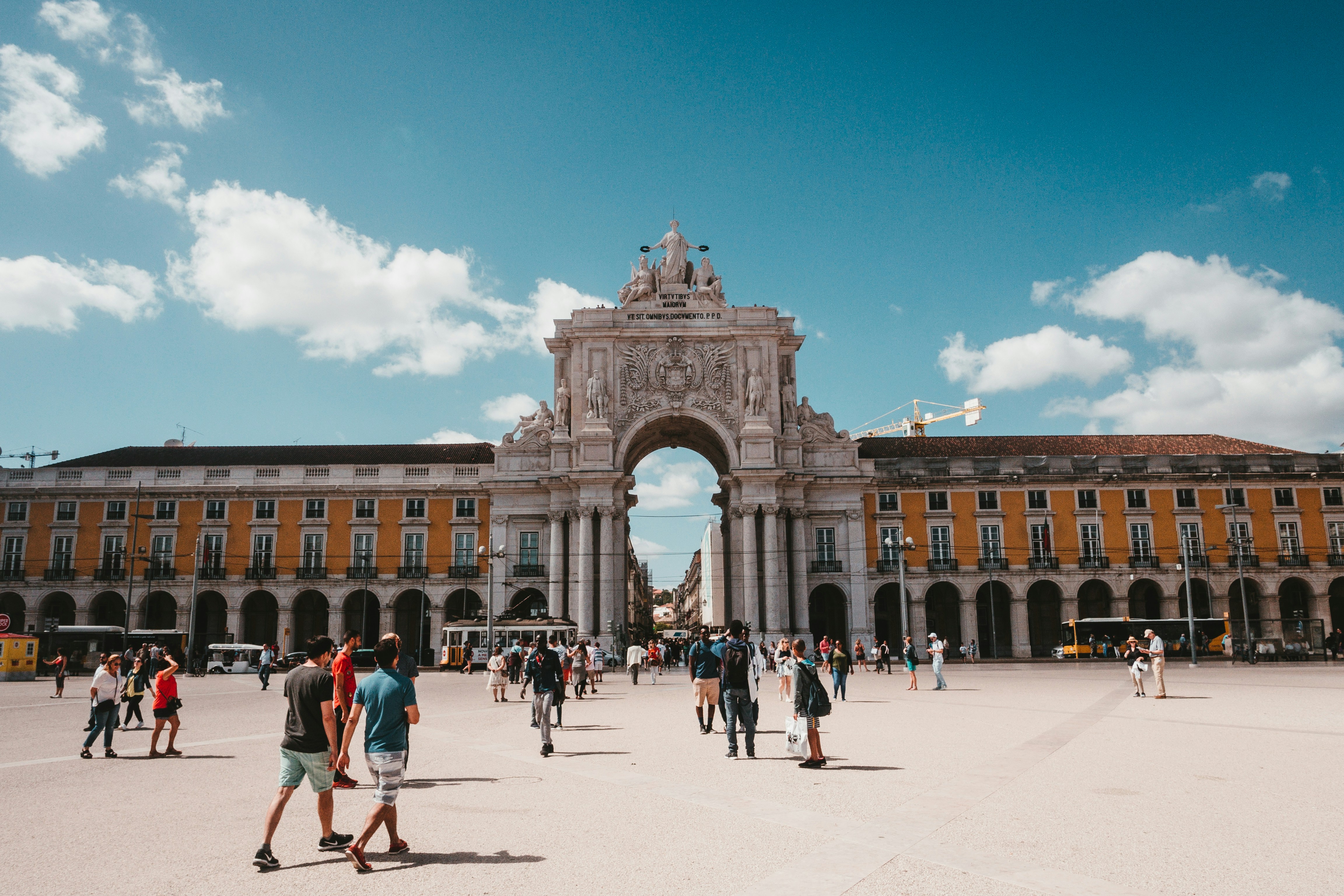
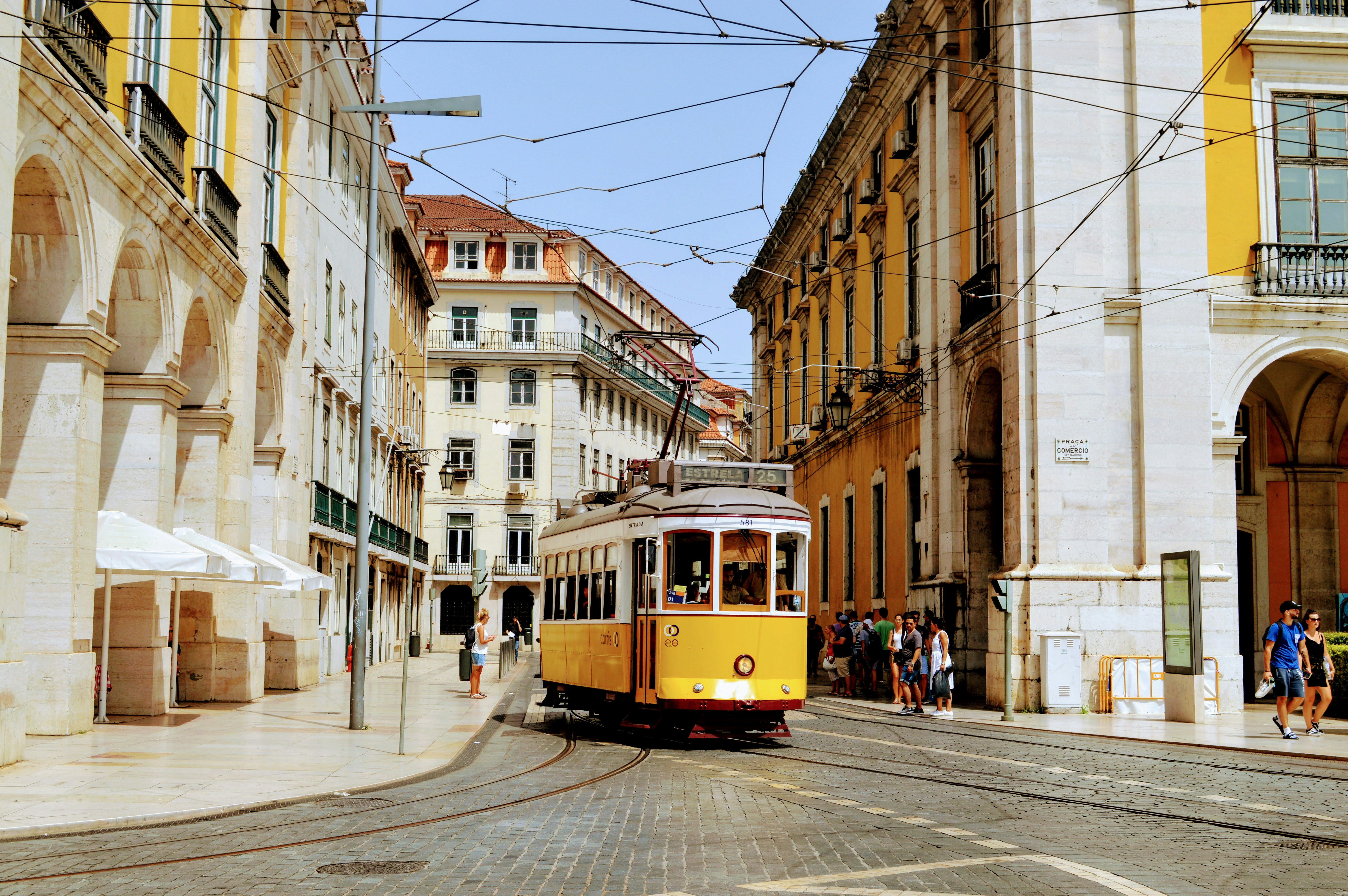
Lisbon is the city that Europe forgot to ruin. While other capitals were rebuilt, modernized, and sanitized through the twentieth century, Lisbon remained — by accident of history and economic circumstance — largely intact. The trams still run on tracks laid in the nineteenth century. The azulejo tiles still cover the facades of buildings that have not changed in a hundred years. The fado still plays in the old houses of Alfama on Friday nights, and the melancholy it expresses — saudade, the Portuguese word for a longing that has no precise equivalent in any other language — is as genuine now as it was when it was first named.
Lisbon travel has accelerated dramatically over the past decade, and the city has changed with it — new restaurants, new hotels, new money, new crowds. But Lisbon's essential character has proved more resistant to tourism than almost any other European capital. The hills are still steep enough to discourage the casual visitor. The neighbourhoods still belong to their residents in ways that the equivalent areas of Barcelona or Amsterdam no longer do. And the light — the extraordinary Atlantic light that has been making painters reach for their brushes since the Age of Discovery — remains entirely unchanged.
TravelScope approaches Lisbon as a city of slow revelation. It does not announce itself. It does not perform for visitors. It simply exists, at its own pace, in its own light, and rewards those who are patient enough to let it unfold.
The Atmosphere
Lisbon's atmosphere is defined by a quality that is almost impossible to describe without experiencing it — a sense of time moving differently. The city operates at a pace that is slower than any other Western European capital, not from lack of energy but from a different relationship with urgency. Things happen when they happen. Lunch lasts as long as it lasts. The café is for sitting in, not passing through.
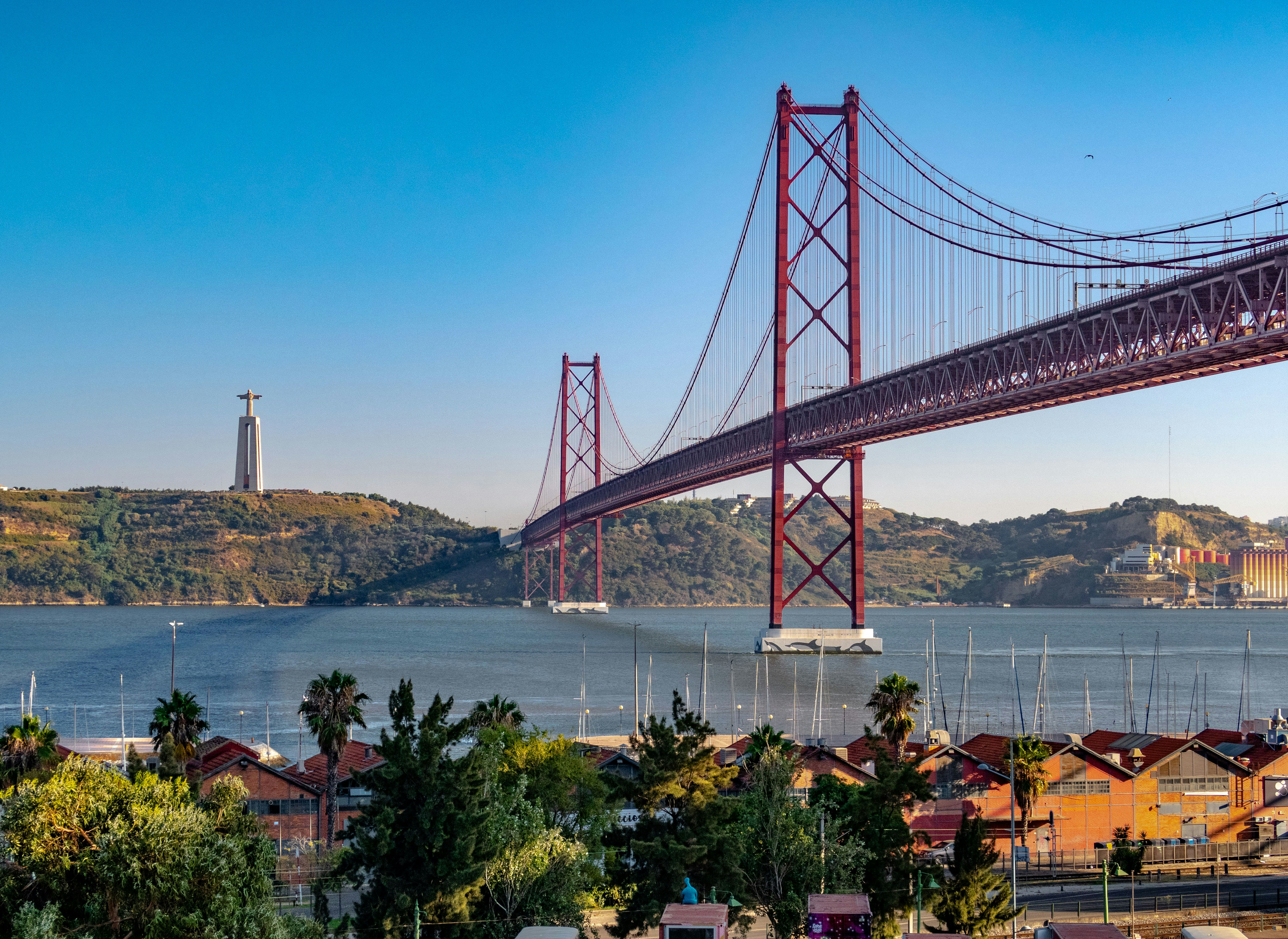
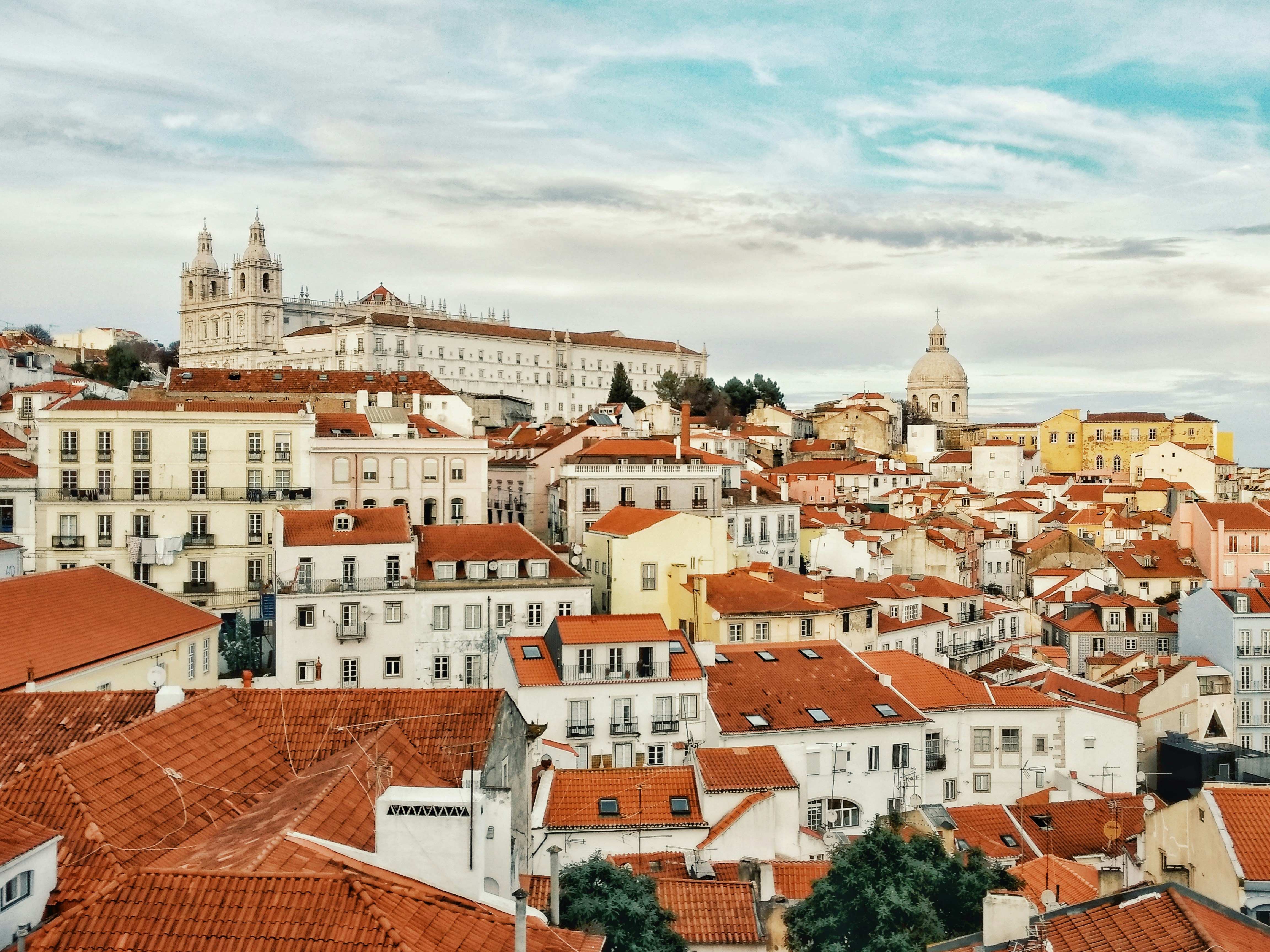
The light in Lisbon is the city's greatest natural asset and its defining quality. The city sits at the mouth of the Tagus, where the river meets the Atlantic, and the water amplifies and reflects the light in ways that make the sky above Lisbon larger and more dramatic than anywhere else in Europe. In the golden hour before sunset, the light on the azulejo tiles and the terracotta rooftops creates a warmth that painters and photographers have been chasing for centuries. This light is real. It is worth scheduling your days around.
The sound of Lisbon is the sound of hills — the particular effort of climbing, the views that reward it, the wind that comes off the Tagus on clear days and carries the smell of the ocean into the city's highest points. Add to this the sound of tram wheels on old tracks, the distant music from an open window in Alfama, and the particular silence of a miradouro at dawn — and you have a city that speaks, if you are quiet enough to listen.
The Neighbourhoods Worth Your Time
Alfama The oldest neighbourhood in Lisbon — Moorish in origin, built on the hillside below the São Jorge Castle, and surviving the 1755 earthquake that destroyed most of the rest of the city. The streets are too narrow and steep for cars in most places, the washing hangs between windows, and the fado houses operate in the evenings with a sincerity that tourist-facing versions in other cities cannot approximate. Come in the early morning when the neighbourhood belongs to its residents and the light on the Tagus below is extraordinary.
Mouraria Adjacent to Alfama and even less visited — the historic Moorish quarter, now one of the most diverse and genuinely alive neighbourhoods in Lisbon. The Intendente square has been transformed over the past decade from one of the city's most neglected spaces to one of its most interesting. The food here — Mozambican, Cape Verdean, Bangladeshi, Portuguese — reflects the city's history as the centre of a global empire.
Bairro Alto and Príncipe Real The bohemian upper city — independent bookshops, wine bars, the Jardim das Flores on Saturday mornings, and the Príncipe Real market on Sundays. The neighbourhood comes alive in the evening when the restaurants and bars open and the streets fill with a mix of locals and visitors that feels genuinely integrated rather than segregated by tourism.
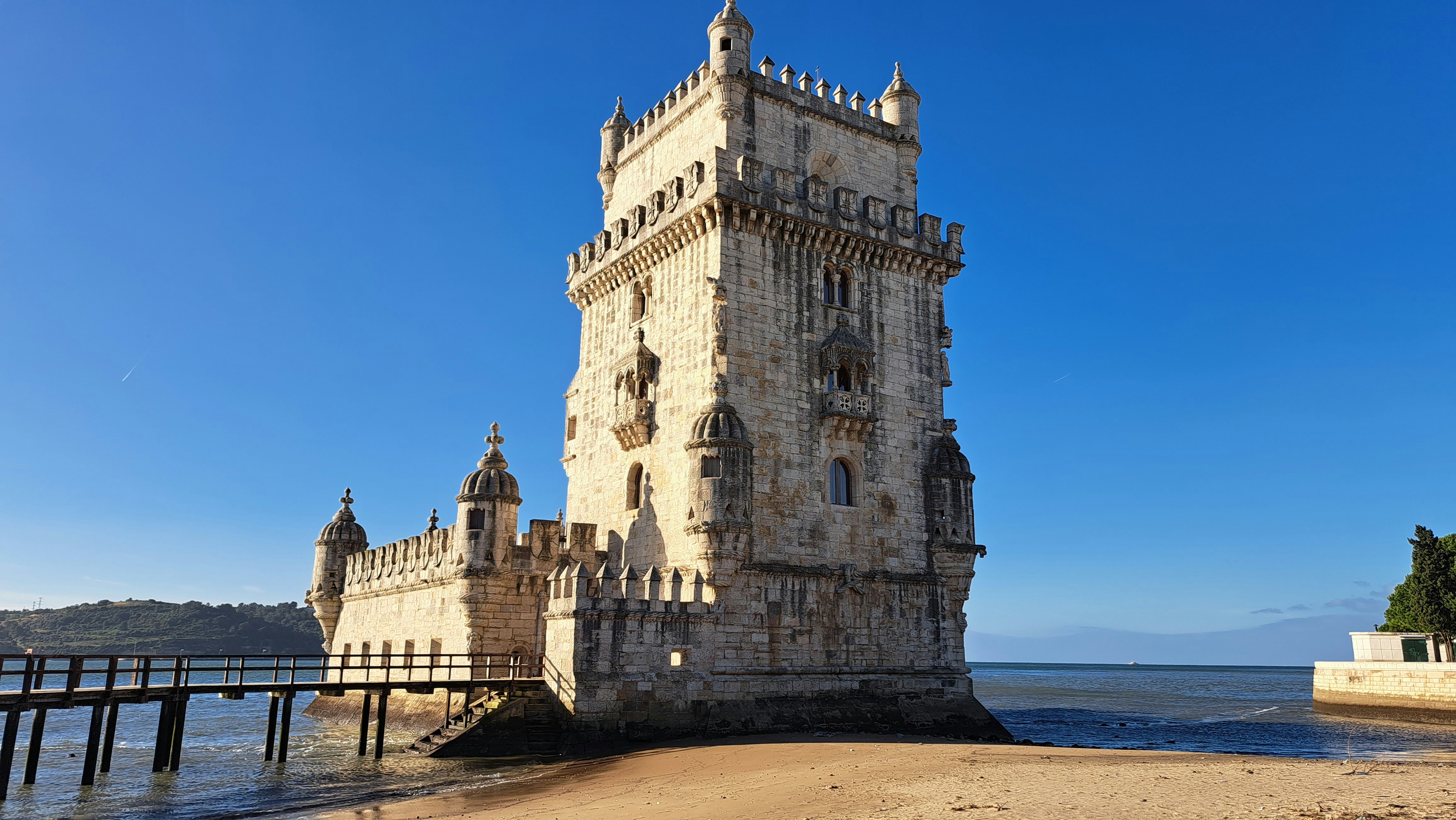
Belém The neighbourhood at the mouth of the Tagus where the Age of Discovery began — the Torre de Belém, the Jerónimos Monastery, the Monument to the Discoveries, and the Pastéis de Belém bakery where the original pastel de nata recipe has been guarded since 1837. Come in the morning before the tour buses arrive. The monastery at 9am on a weekday is one of the great unhurried art experiences in Europe.
LX Factory The converted industrial complex under the 25 de Abril bridge — independent restaurants, design shops, a Sunday market, and the best bookshop in Lisbon (Ler Devagar, with its famous bicycle hanging from the ceiling). Come on a Sunday morning when the market is at its best.
When to Go
Best season: April to June and September to October. The light is extraordinary, the temperatures are perfect for walking, and the city has not yet reached its summer saturation. Spring brings the jacaranda trees into bloom — the purple flowers against the white facades and blue azulejos is one of the great visual spectacles of European spring.
Avoid: July and August at peak — Lisbon in high summer is hot and increasingly crowded, particularly in Alfama and Belém. The experience is still good but the city's essential quality of unhurried authenticity is harder to find.
The insider timing: The Jerónimos Monastery in Belém opens at 10am — be there at opening on a weekday and the extraordinary Manueline interior is almost entirely yours for the first thirty minutes. The miradouros — the city's hilltop viewpoints — are best at dawn and at dusk, when the light on the Tagus is at its most extraordinary.
How to Move Through the City
Lisbon is a city of hills, and the hills define how you move through it. The historic trams — particularly the 28E that runs through Alfama — are iconic but extremely crowded in tourist season. Walk where you can and take the tram for the experience rather than the transport.
The Metropolitano — Lisbon's metro — is efficient and covers the main tourist areas adequately. A Viva Viagem card loaded with credit handles metro, tram, bus, and the funiculars that climb the steepest hills. The funiculars themselves — the Glória, the Bica, the Lavra — are worth riding for the experience.
Walk the flat areas — the Baixa, the Chiado, the riverfront — and use the funiculars and trams for the hills. The effort of climbing Alfama on foot is rewarded at every turn by views and discoveries that the tram cannot provide.
Where to Stay
Alfama — For atmosphere, authenticity, and the most Lisbon experience available. Steep streets — pack light. → https://www.booking.com/search.html?ss=Alfama+Lisbon
Príncipe Real — For the best neighbourhood life, excellent restaurants, and a quieter base in the upper city. → https://www.booking.com/search.html?ss=Principe+Real+Lisbon
Chiado / Bairro Alto — For central location, walkability, and proximity to the best of Lisbon's food and cultural life. → https://www.booking.com/search.html?ss=Chiado+Lisbon
What to Do
Jerónimos Monastery — Early Entry — The finest example of Manueline architecture in the world — the Portuguese Gothic style that celebrates the Age of Discovery in stone. Book in advance and arrive at opening. → https://www.getyourguide.com/lisbon-l42/jeronimos-monastery-ticket/
Pastéis de Belém — The original pastel de nata, made to a recipe guarded since 1837. The queue moves quickly and the pastries, eaten warm with cinnamon and powdered sugar at the marble counter inside, are one of the great simple food experiences in Europe. → https://www.getyourguide.com/lisbon-l42/belem-food-tour/
Fado Evening in Alfama — Authentic fado in a small house in Alfama — not a tourist show but a genuine performance of Portugal's most distinctive musical tradition. Book a smaller venue rather than the larger tourist-facing restaurants. → https://www.getyourguide.com/lisbon-l42/fado-show-alfama/
Sintra Day Trip — The fairy-tale palaces and gardens of Sintra, forty minutes from Lisbon by train, are among the most extraordinary royal landscapes in Europe. The Palácio da Pena and the Quinta da Regaleira are essential. Go on a weekday and arrive early. → https://www.getyourguide.com/lisbon-l42/sintra-day-trip/