London
Where movement becomes identity.
London does not have a centre. This is its defining quality and its greatest gift to the traveler who understands it. Unlike Paris, which radiates outward from a clear core, or Rome, which accumulates around its ancient heart, London is a collection of villages that grew into each other over centuries without ever quite merging. Each neighbourhood has its own character, its own rhythm, its own reason for existing. To understand London you must understand that there is no single London — there are dozens, and the art of traveling here is choosing which ones to inhabit.
The city moves constantly. It is the most restless major city in Europe — always building, always changing, always absorbing new influences and producing new forms of culture, food, music, and art. This restlessness can feel overwhelming to the visitor who tries to keep up with it. The traveler who instead chooses a neighbourhood and goes deep will find something extraordinary: a city of village-scale intimacy operating at the scale of one of the world's great metropolises.
TravelScope approaches London not as a list of landmarks — the landmarks are magnificent but they are not the point — but as a series of distinct urban villages, each worth a full day of unhurried attention. This guide is designed to help you find the rhythm of the city, which is the only way to truly experience it.
The Atmosphere
London's atmosphere is defined by its contradictions. It is formal and anarchic, reserved and wildly creative, deeply traditional and constantly reinventing itself. The city that invented punk also invented the BBC. The city that produces the world's most conservative financial institutions also produces some of its most radical art. These contradictions are not a problem to be resolved — they are the point.
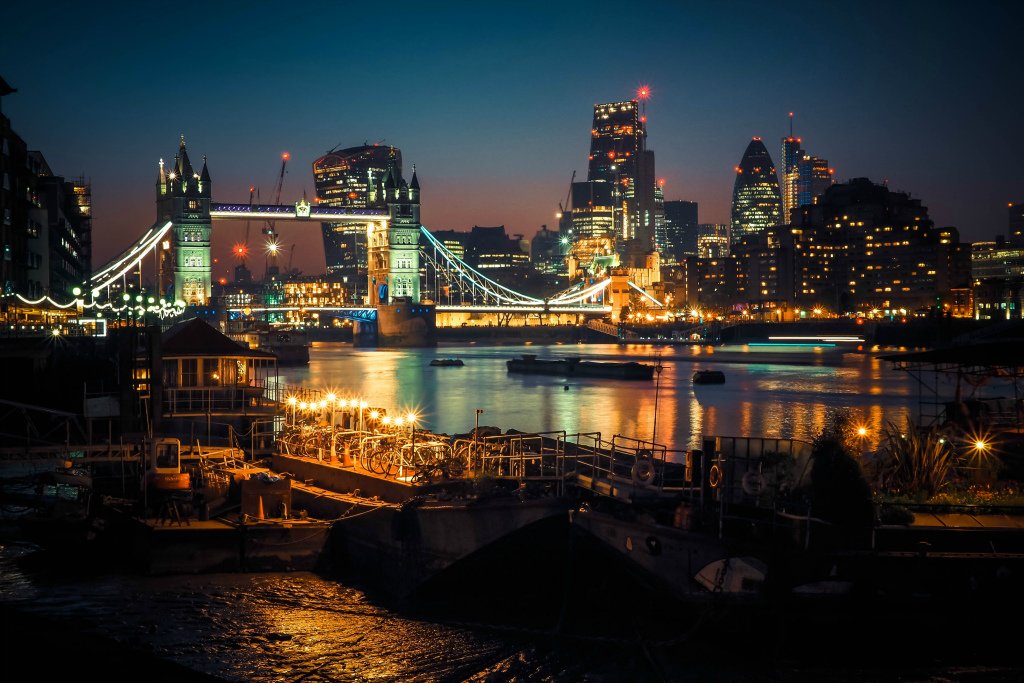
The light in London is soft and frequently grey, which is not a disadvantage but a quality. The city's architecture — Georgian terraces, Victorian brick, Edwardian grandeur, and occasional modernist interventions — reads differently under grey light than under sun. On the rare days when London gets strong summer light, the city looks almost Mediterranean. But it is at its most itself in the soft, diffuse light of autumn and winter — melancholy and beautiful in equal measure.
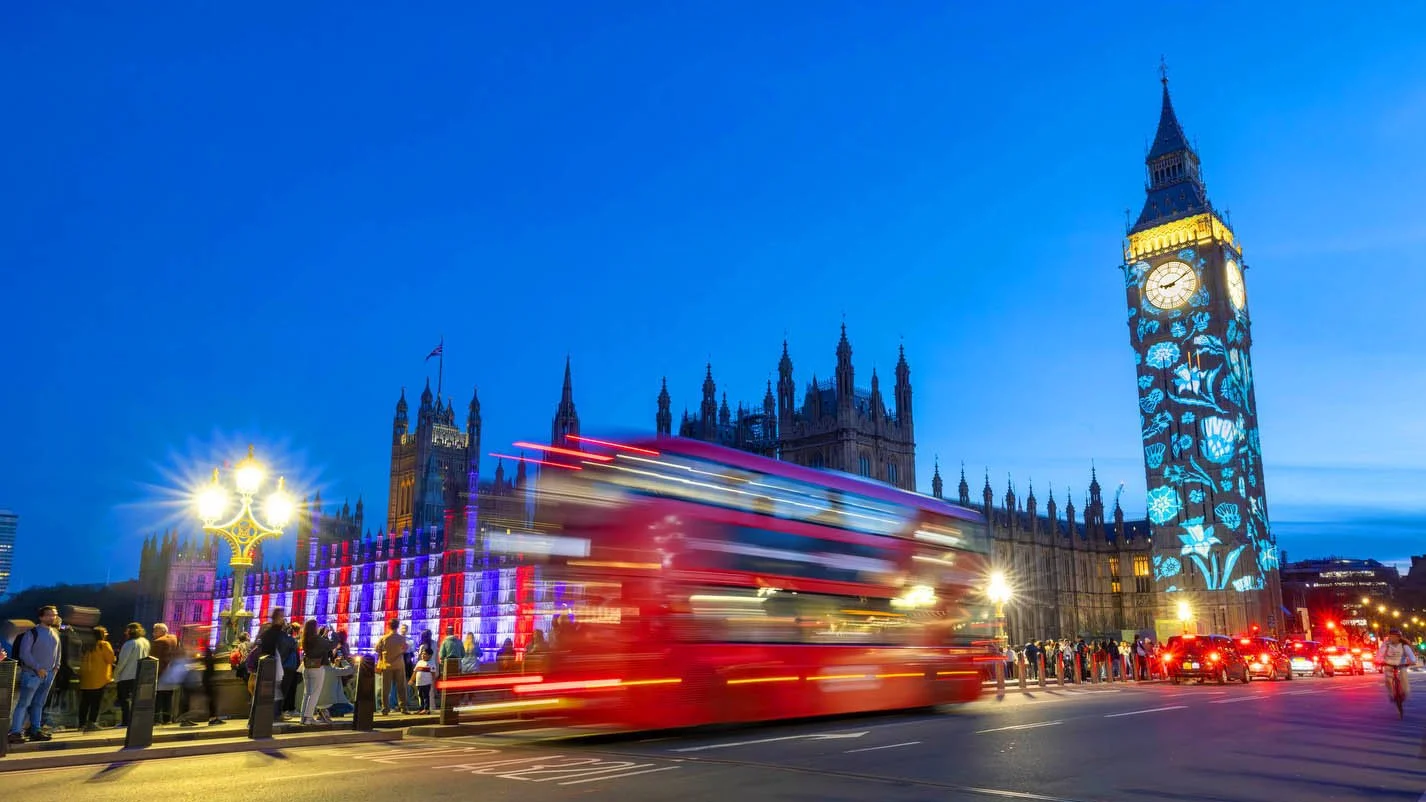
Sound in London is layered differently from other capitals. The city has a particular acoustic quality — the double-decker buses, the particular ring of the Underground doors, the sound of rain on Victorian roof tiles, the surprising quiet of the Royal Parks in the early morning. Learn to listen for these and London becomes a sensory experience of remarkable richness.
The Neighbourhoods Worth Your Time
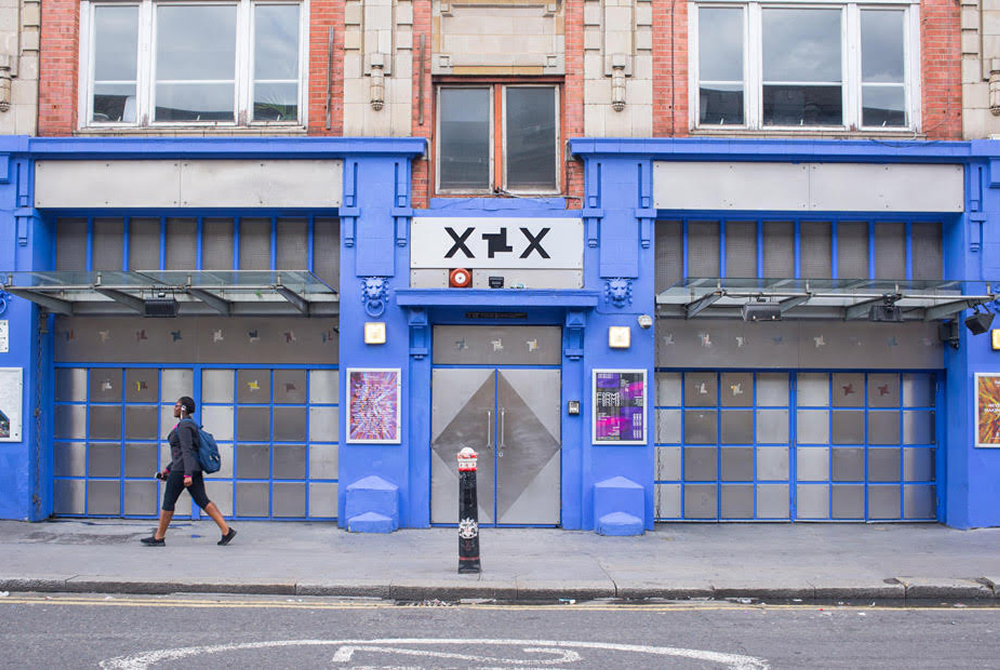
Shoreditch and Spitalfields The creative heart of contemporary London — street art, independent restaurants, the best vintage markets in Europe, and the extraordinary Spitalfields Market. The neighbourhood sits on the edge of the City of London, which means that the contrast between ancient financial power and radical contemporary culture is visible in a single glance. Sunday morning at the Columbia Road Flower Market is one of London's essential experiences.
Notting Hill and Portobello Road The most beautiful residential neighbourhood in London — pastel-painted Victorian terraces, the Portobello Road antique market on Saturdays, and the particular atmosphere of a neighbourhood that has been fashionable for long enough to develop genuine character. Come on a Saturday morning for the market and stay for lunch at one of the cafés on Golborne Road.
Bermondsey and Borough The south bank neighbourhood that has transformed over the past decade into one of London's most interesting food and culture destinations. Borough Market is the finest food market in the city — arrive early on a Saturday. The Tate Modern is here, and the walk along the South Bank from Tower Bridge to the Tate is one of the great urban walks in Europe.
Hampstead The village on the hill above London — Georgian architecture, the Heath, one of the finest views of the city from Parliament Hill, and a literary history that includes Keats, Orwell, and Freud. Come on a weekday morning when the Heath is quiet and the café on the edge of the Kenwood House estate is serving breakfast.
When to Go
Best season: May to June, and September to October. London in late spring is extraordinary — the parks are in bloom, the light is long, and the city is operating at full capacity without the summer tourist peak. Autumn brings a particular melancholy beauty — the leaves in the Royal Parks, the return of the cultural season, the first fires in the pub fireplaces.
Avoid: August, when London is at its most crowded and many of its best restaurants take their annual holiday. December is beautiful but expensive and extremely crowded around the Christmas markets.
The insider timing: The British Museum, the National Gallery, and the Tate Modern are all free and open early. Arrive at opening on a weekday and the experience is entirely different from the weekend crush. The National Gallery at 10am on a Tuesday morning is one of the great unhurried art experiences in Europe.
How to Move Through the City
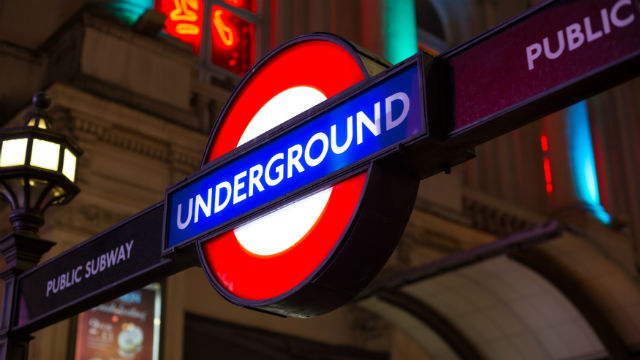
London's Underground — the Tube — is the fastest way to move between neighbourhoods and essential for anyone staying more than two days. Get an Oyster card or use a contactless bank card on arrival — it is significantly cheaper than buying individual tickets. The Elizabeth line, opened in 2022, has transformed east-west travel across the city.
Walk whenever the distance is under forty minutes. London reveals itself on foot in ways that the Tube cannot — the transitions between neighbourhoods, the unexpected garden squares, the blue plaques marking where the famous once lived. The city is full of these discoveries and they are only accessible to pedestrians.
The bus network is excellent and gives a surface-level view of the city that the Underground cannot. The number 11 bus from Liverpool Street to Chelsea via the City, St Paul's, the Strand, and Westminster is one of the great cheap journeys in London. Sit on the top deck.
Where to Stay
Shoreditch (East London) — For creative energy, excellent restaurants, and proximity to some of the most interesting parts of contemporary London. → https://www.booking.com/search.html?ss=Shoreditch+London
Notting Hill (West London) — For beauty, the market, and the most residential feel of any central London neighbourhood. → https://www.booking.com/search.html?ss=Notting+Hill+London
South Bank (Bermondsey/Southwark) — For proximity to Borough Market, the Tate Modern, and the South Bank cultural institutions. → https://www.booking.com/search.html?ss=South+Bank+London
What to Do
Borough Market Saturday Morning — The finest food market in London, operating since the 13th century. Arrive before 10am for the best of the producers and the least of the crowds. → https://www.getyourguide.com/london-l57/borough-market-food-tour/
Tate Modern — Early Entry — One of the great contemporary art museums in the world, free entry, housed in a converted power station on the South Bank. The Turbine Hall installation alone is worth the visit. → https://www.getyourguide.com/london-l57/tate-modern-guided-tour/
Columbia Road Flower Market — Sunday morning only, 8am to 3pm. One of London's most photogenic and genuinely alive street experiences — the vendors' calls, the flowers, the cafés opening along the road. → https://www.getyourguide.com/london-l57/east-london-street-art-tour/
Hampstead Heath Morning Walk — The best view of London, from Parliament Hill at dawn. Combine with breakfast at the Kenwood House café and a walk through the Heath. → https://www.getyourguide.com/london-l57/hampstead-heath-walking-tour/