Los Angeles
Where the Pacific, the hills, and the light of California shape one of the world's most iconic cities.
Los Angeles is the most misunderstood major city in the world. The version that exists in the global imagination — freeways, plastic surgery, celebrity culture, perpetual sunshine, and a spiritual vacancy disguised as wellness — is real enough as a surface. But beneath that surface lies one of the most complex, culturally layered, and genuinely surprising urban environments on earth. The city that invented Hollywood also shaped the most diverse food culture in America. The city of the freeway still contains some of the country's finest walkable neighbourhoods. The city of appearances also produces some of the most serious contemporary art, architecture, and music being made anywhere in the world.
Los Angeles travel requires a different mental framework than almost any other city. This is not a city you navigate. It is a city you inhabit, neighbourhood by neighbourhood, at a pace the car culture has conspired to slow. The traveler who arrives expecting to see Los Angeles in three days will see almost nothing. The one who chooses two or three neighbourhoods and goes deep will find something extraordinary.
TravelScope approaches Los Angeles not as a destination of landmarks but as a city of light — the particular quality of Southern California light that has drawn artists, filmmakers, and dreamers for a century, and that makes the ordinary — a taco stand, a gas station, a parking lot at dusk — look like the opening shot of a film.
The Atmosphere
Los Angeles operates on optimism. It is the defining quality of the city and its most underrated characteristic — a collective belief, shared by the most recent arrival and the third-generation resident alike, that the next thing will be better than the last. This optimism is not naivety. It has been tested by earthquakes, fires, riots, and the particular cruelty of an industry built on rejection. It persists anyway, and it creates an atmosphere of possibility that is genuinely distinctive.
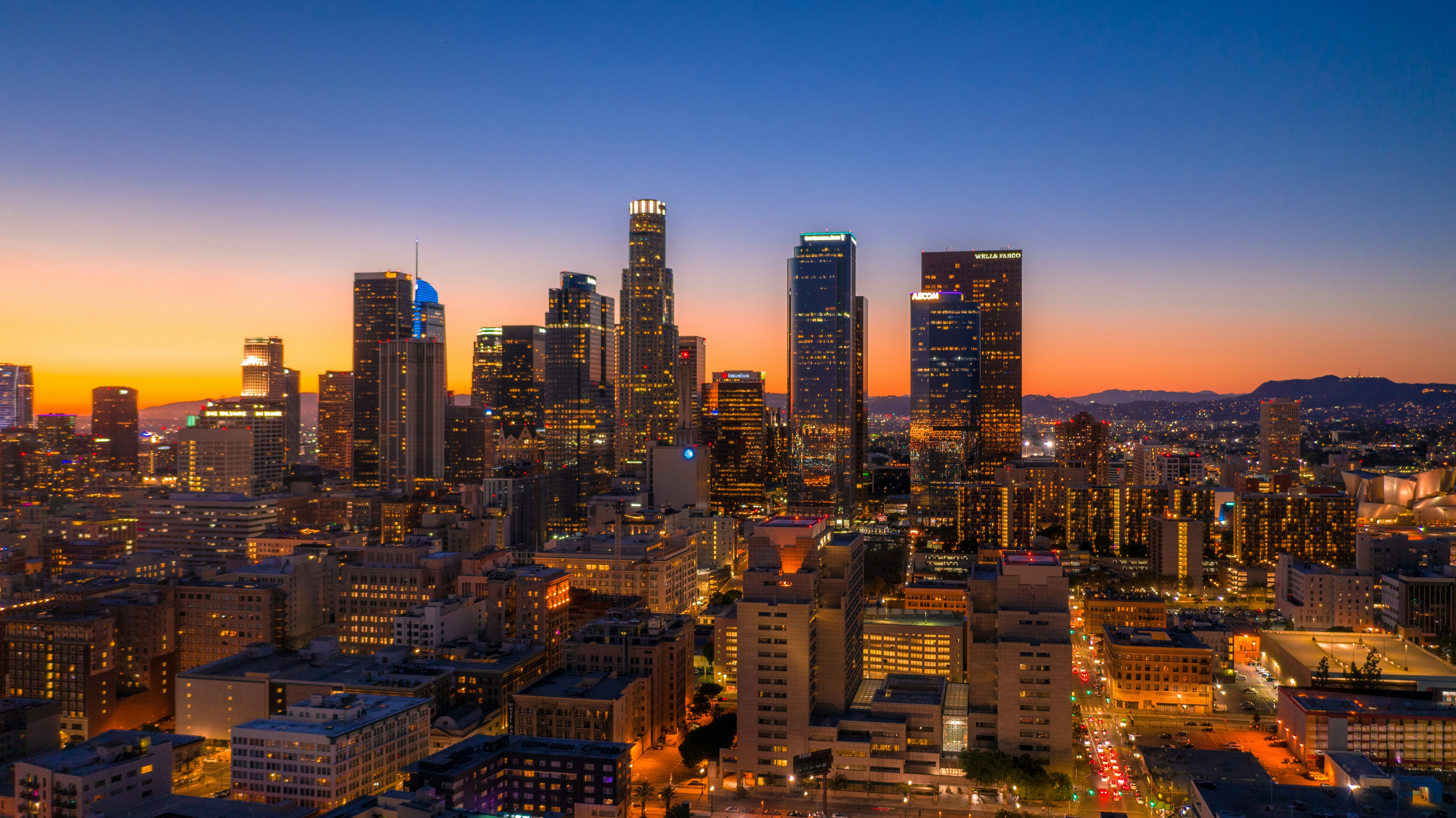
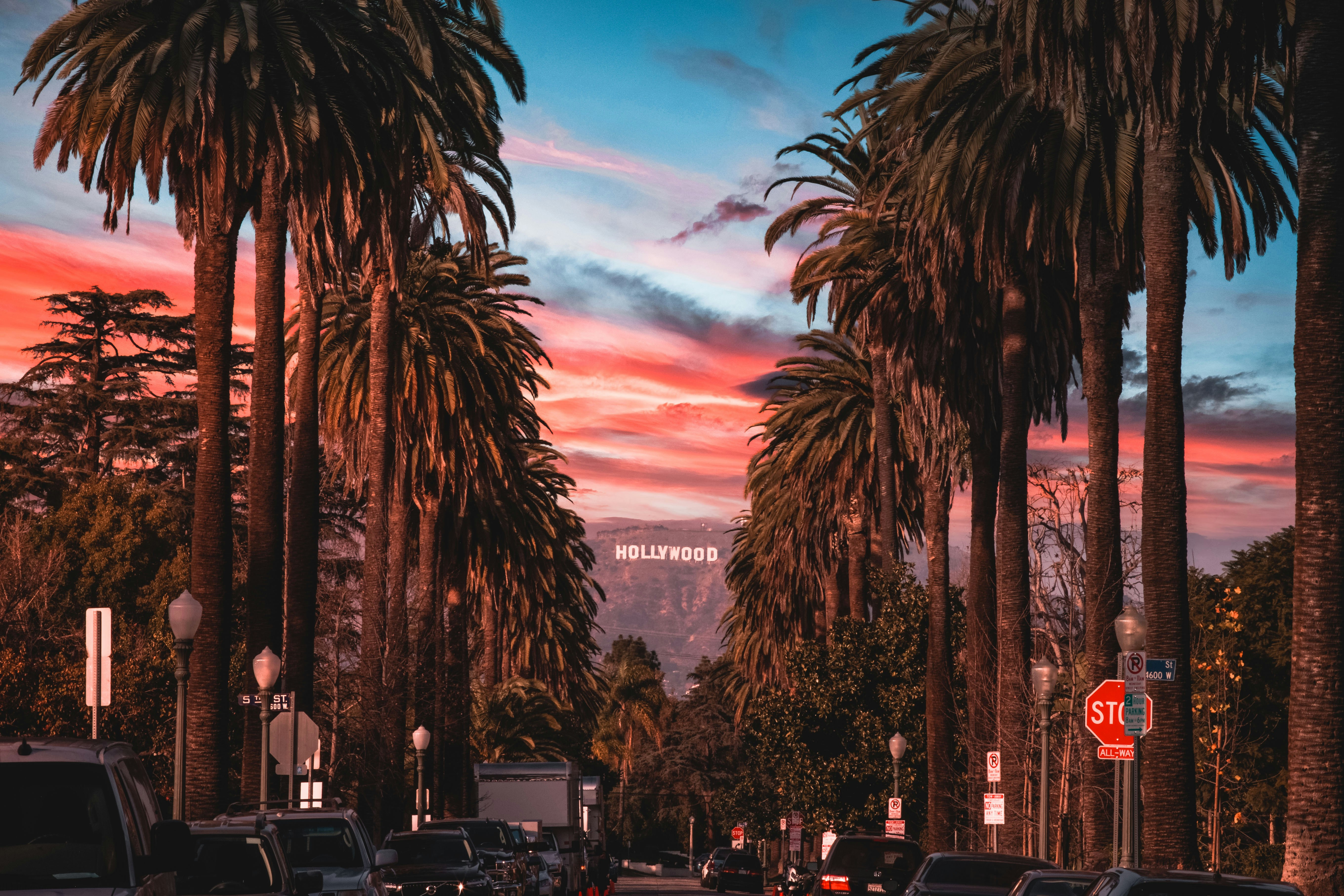
The light in Los Angeles is the city's great gift to everyone who lives or visits here. It is warm, golden, and slightly horizontal even at midday — the result of the city's latitude, its proximity to the Pacific, and the particular quality of the air that hangs over the basin. In the golden hour before sunset, the light on the hills above the city turns everything amber and pink in ways that justify every cliché ever written about Southern California. This light is real. It is worth being outside for.
The car is the city's defining technology and its greatest limitation. Los Angeles was built for the automobile in ways that no other major city was, and the result is a city of extraordinary horizontal scale — forty miles from downtown to the beach, thirty from the Valley to the South Bay — that can only be understood from behind a windshield. Rent a car. Accept the traffic. And learn to use the time in it productively — the radio, the podcasts, the conversations — because the freeway is where Angelenos do much of their thinking.
The Neighbourhoods Worth Your Time
Silver Lake and Los Feliz The most interesting residential neighbourhoods in Los Angeles — independent bookshops, excellent coffee, the reservoir that gives Silver Lake its name, and a density of creative people doing interesting work that produces the best street-level culture in the city. The Sunset Junction area of Silver Lake on a Saturday morning is one of the great neighbourhood experiences in America.
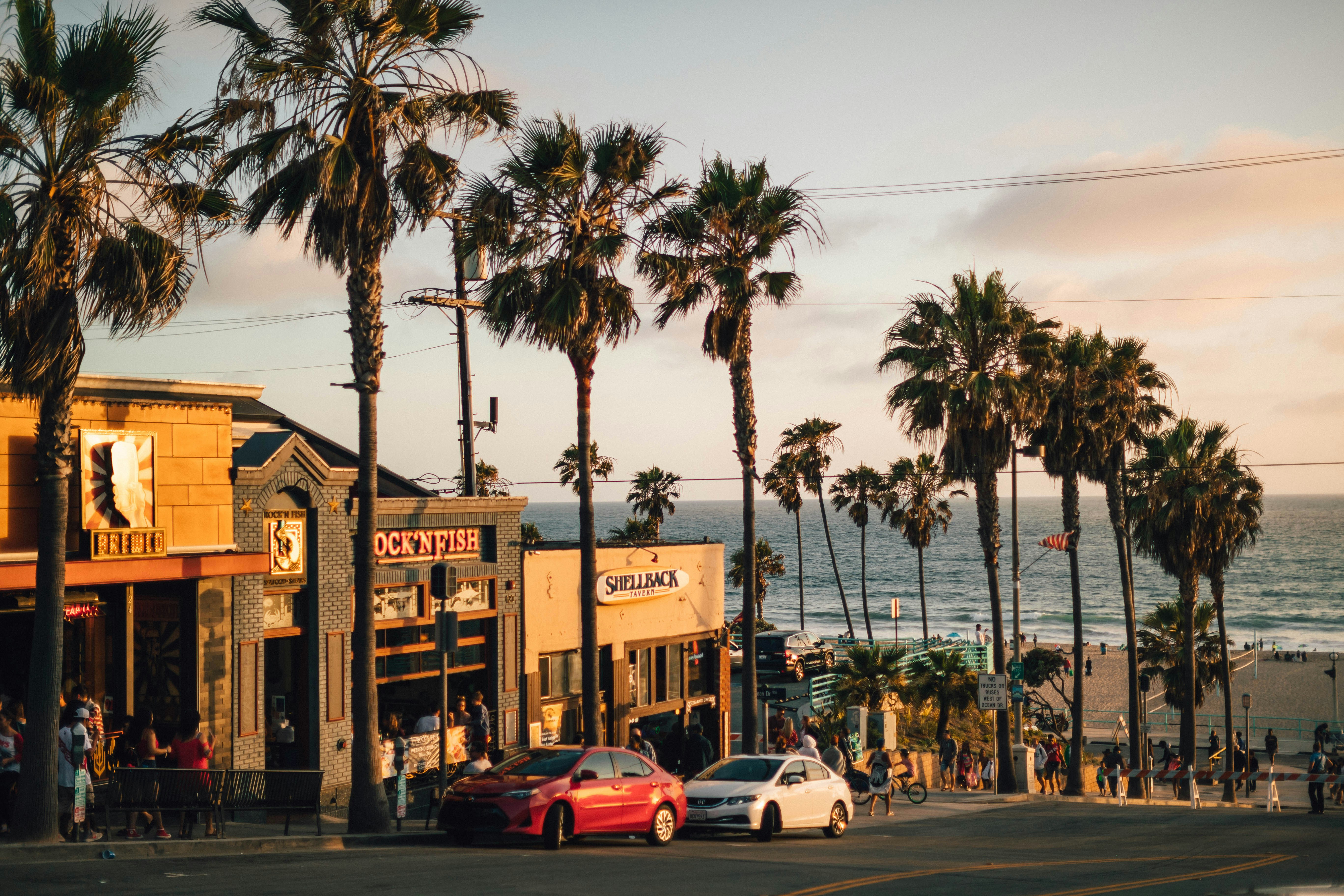
Venice Beach and Abbot Kinney The beach neighbourhood that contains multitudes — the boardwalk with its bodybuilders and street performers, the canals that Abbot Kinney built to recreate Venice, Italy, and the Abbot Kinney Boulevard that has become one of the finest independent retail streets in the country. Come on a Sunday when the farmers market is running and stay for the afternoon.
Downtown Los Angeles The most surprising neighbourhood in the city — a downtown that has been transformed over the past two decades from a place that Angelenos avoided into one of the most interesting urban environments in America. The Broad museum, the Grand Central Market, the Arts District, and the architectural legacy of the Bradbury Building and the Central Library make DTLA worth a full day of attention.
Malibu and the Pacific Coast Highway Not a neighbourhood but a landscape — the drive north on the Pacific Coast Highway from Santa Monica to Malibu, with the Pacific on one side and the Santa Monica Mountains on the other, is one of the great American drives. Stop at El Matador Beach, eat fish tacos at one of the PCH stands, and watch the sun go down over the Pacific. This is the Los Angeles that the films have been trying to describe.
When to Go
Best season: March to May and September to November. The June Gloom — the marine layer that covers the coast in late spring and early summer — can be beautiful in its own way but surprises visitors expecting perpetual sunshine. Autumn in Los Angeles is the best season — warm, clear, and with a quality of light that is extraordinary.
Avoid: August, when the heat in the inland areas is extreme and the beaches are at their most crowded. December and January bring the Santa Ana winds and occasionally the fires that follow them — beautiful in their own terrible way but disruptive.
The insider timing: The Getty Center opens at 10am and is best on a weekday morning when the building, the gardens, and the views over the city are relatively uncrowded. The farmers markets — Silver Lake on Saturdays, Hollywood on Sundays — are best before 10am. The Pacific Coast Highway at dawn, before the traffic, is one of the great Los Angeles experiences.
How to Move Through the City
Los Angeles requires a car. This is not a preference but a fact — the distances are too great, the public transport too limited, and the most interesting experiences too dispersed for any other approach to work consistently. Rent a car on arrival and use it. The traffic on the 405 and the 10 is real and significant — use Waze, travel outside rush hours where possible, and accept that getting anywhere in Los Angeles takes longer than the map suggests.
The Metro has improved significantly and is genuinely useful for specific journeys — downtown to Hollywood, downtown to Santa Monica on the Expo Line. But it will not replace the car for most visitors.
Walk within neighbourhoods — Silver Lake, Venice, Abbot Kinney, the Arts District — where the scale is human and the discoveries are street-level. Drive between them.
Where to Stay
Silver Lake / Los Feliz — For the most interesting neighbourhood life and the best base for exploring the east side of the city. → https://www.booking.com/search.html?ss=Silver+Lake+Los+Angeles
Venice Beach — For the beach, the boardwalk, and the most iconic Los Angeles experience. → https://www.booking.com/search.html?ss=Venice+Beach+Los+Angeles
Downtown Los Angeles — For the cultural institutions, the Grand Central Market, and the most surprising neighbourhood in the city. → https://www.booking.com/search.html?ss=Downtown+Los+Angeles
What to Do
The Getty Center — One of the great art museums in America, free entry, with architecture by Richard Meier and views over Los Angeles that are worth the visit alone. The Impressionist collection and the illuminated manuscripts are exceptional. → https://www.getyourguide.com/los-angeles-l191/getty-center-tour/
Grand Central Market — Morning — The historic food market in downtown Los Angeles, operating since 1917 — the best introduction to the city's extraordinary food culture. Breakfast at Eggslut or lunch at Tacos Tumbras a Tomas. → https://www.getyourguide.com/los-angeles-l191/downtown-la-food-tour/
Pacific Coast Highway Drive — Sunset — Rent a convertible if possible. Drive north from Santa Monica at 4pm, stop at El Matador Beach, continue to Malibu for dinner. This is the Los Angeles that everyone comes for, and it delivers. → https://www.getyourguide.com/los-angeles-l191/malibu-coast-tour/
LACMA and the Broad — The two essential contemporary art museums in Los Angeles. LACMA for the collection and the Urban Light installation outside. The Broad for Koons, Basquiat, Cindy Sherman, and the extraordinary Infinity Mirrored Room by Yayoi Kusama. → https://www.getyourguide.com/los-angeles-l191/lacma-museum-ticket/