Marrakech
Between Majorelle Blue, Desert Light, and Creative Vision.
Marrakech arrives all at once. The smell of cumin and rose water, the sound of Jemaa el-Fna at dusk, the late-afternoon light on terracotta walls — the city does not ease you in or offer a gentle introduction. It simply begins at full intensity the moment you step through the gates of the medina. For the traveler who is ready for it, this immersion is one of travel’s great experiences. For the one who is not, it can be overwhelming to the point of paralysis.
Marrakech rewards preparation and patience in equal measure. The city has been receiving visitors for a thousand years, and over the centuries it has developed a relationship with outsiders that is sophisticated, occasionally transactional, and ultimately generous to those who approach with genuine curiosity and respect. The medina is not a theme park — it is a living city of extraordinary complexity, and the traveler who remembers this will find something no amount of tourist infrastructure can manufacture.
TravelScope approaches Marrakech through the lens that Yves Saint Laurent brought to it in 1966 — as a city of colour, light, and creative inspiration. The Jardin Majorelle that Saint Laurent saved from demolition, the palette of blues and ochres and terracottas that define the city's visual identity, the particular quality of Moroccan light that has drawn artists and designers for a century — these are the threads that run through this guide.
The Atmosphere
Marrakech operates on multiple registers simultaneously. The surface is sensory overload — colour, sound, smell, movement — and beneath it is a city of profound order, governed by traditions of hospitality, commerce, and religious practice that have been refined over centuries. The call to prayer five times a day is not background noise — it is the rhythm around which the city organizes itself, and once you begin to hear it as such, Marrakech becomes legible in ways it was not before.
The light in Marrakech is extraordinary and unlike anything in Europe or Asia. The city sits at the edge of the Sahara, and the light has a quality — warm, direct, slightly golden even at midday — that makes colour more vivid and shadow more dramatic. This is the light that Saint Laurent described as unlike anywhere else in the world, and it is real. In the golden hour before sunset, the pink walls of the medina seem to generate their own warmth.
The medina has a smell that is specific to itself — a combination of spice, leather, orange blossom, exhaust, and something older and harder to name that is the accumulated scent of centuries of concentrated human life. This smell is Marrakech, and it will be the first thing you remember when you think of the city years later.
The Neighbourhoods Worth Your Time
Jemaa el-Fna The great square at the heart of the medina is one of the last functioning public spectacles of the medieval world — snake charmers, storytellers, musicians, food stalls, acrobats, and a density of human activity that peaks at sunset and continues well into the night. UNESCO has recognized it as an Intangible Cultural Heritage of Humanity. Come at dusk, find a café terrace overlooking the square, and watch the transformation. Do not miss it.
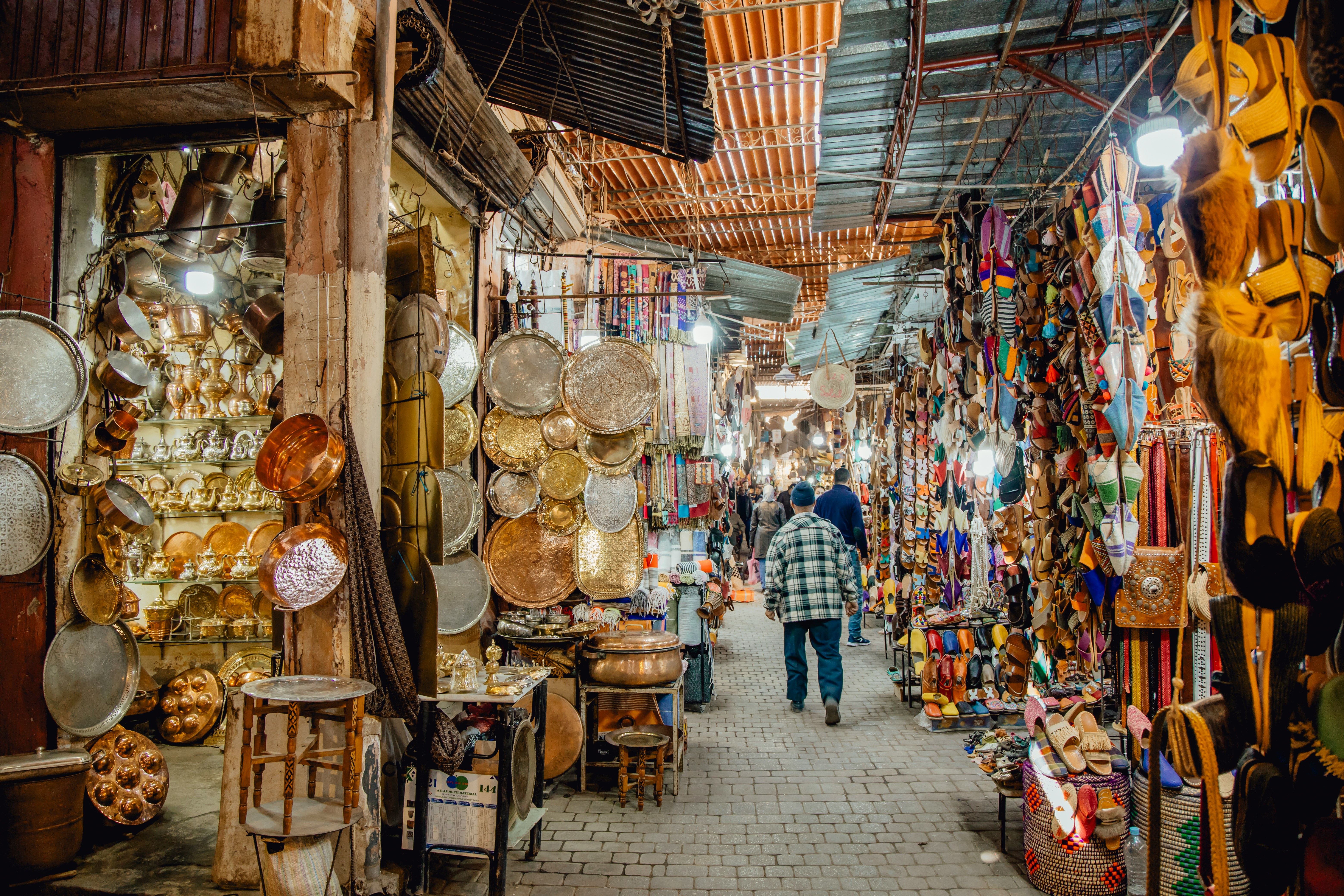
The Souks The network of covered markets north of Jemaa el-Fna is one of the great urban labyrinths on earth — each souk specializing in a different craft, from leather to spice to metalwork to textiles. Getting lost is inevitable and desirable. The dyers' souk, where skeins of wool hang in improbable colours above narrow alleys, is one of the most visually extraordinary spaces in any city. Navigate by smell and sound rather than map.
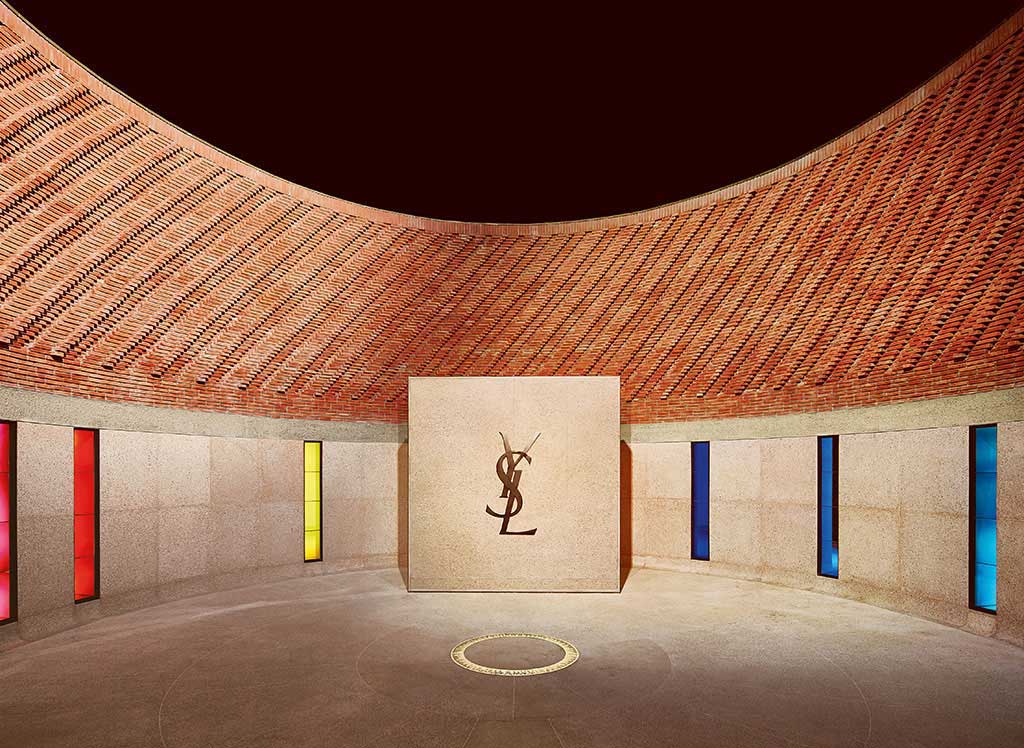
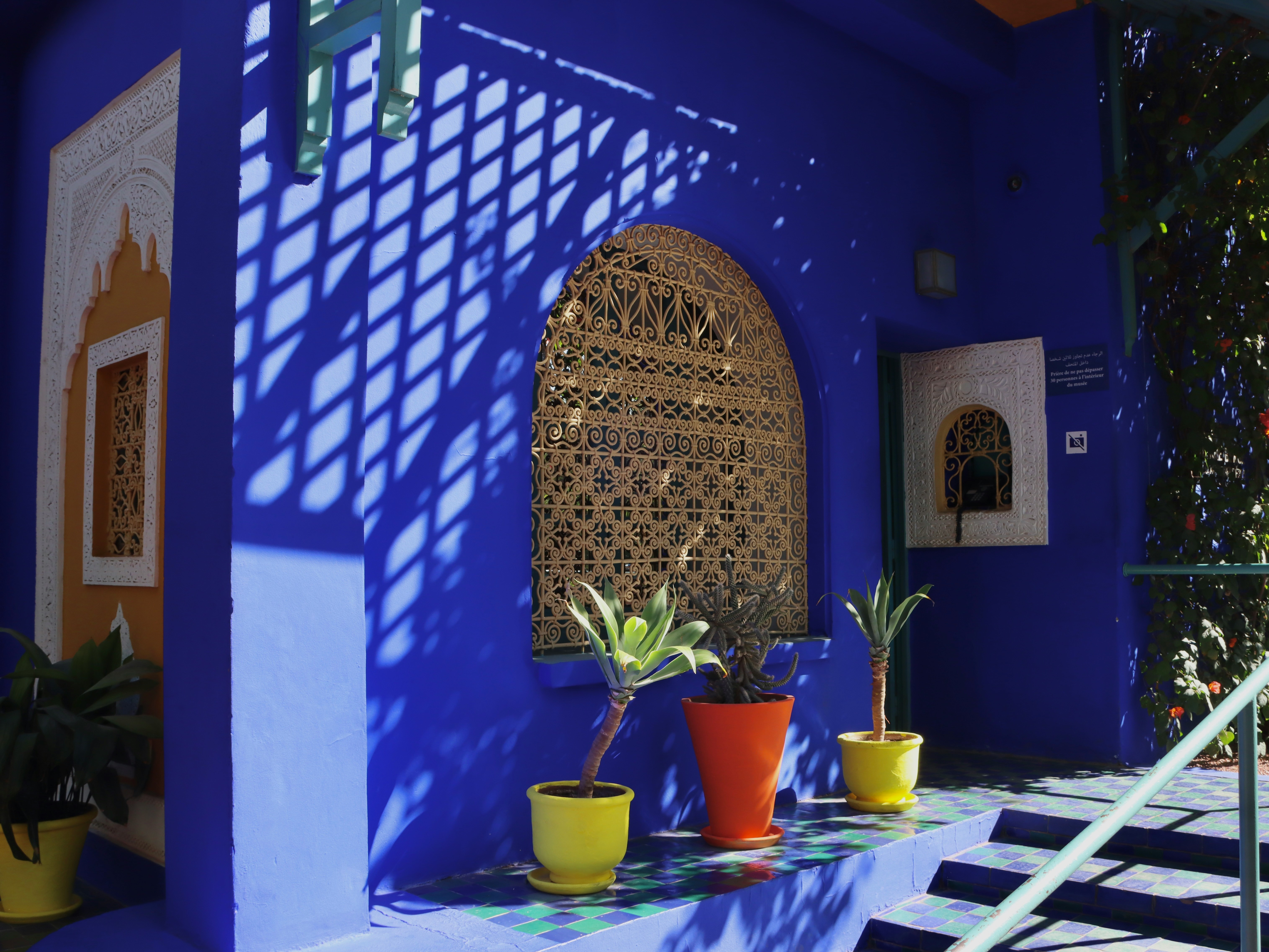
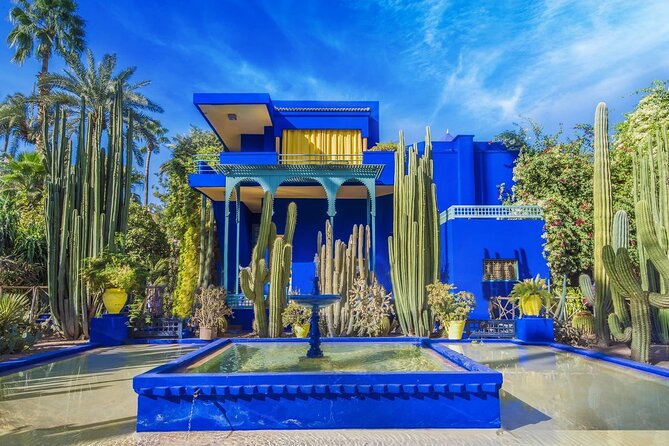
Jardin Majorelle and the YSL Museum The garden that Jacques Majorelle created in the 1920s and Yves Saint Laurent saved in 1980 is one of the most beautiful small gardens in the world — the Majorelle Blue of the buildings against the green of the bamboo and the purple of the bougainvillea is a colour combination of almost painful intensity. The adjacent Musée Yves Saint Laurent Marrakech, opened in 2017, is one of the finest fashion museums in the world and essential for understanding the relationship between the city and the designer who loved it most.
The Mellah — Jewish Quarter The historic Jewish quarter of Marrakech, adjacent to the royal palace — a neighbourhood of carved wooden balconies, synagogues, and the Mellah market. Less visited than the main souks and more historically layered. The El Badi Palace nearby, now largely in ruins, gives the best sense of the scale of Saadian ambition.
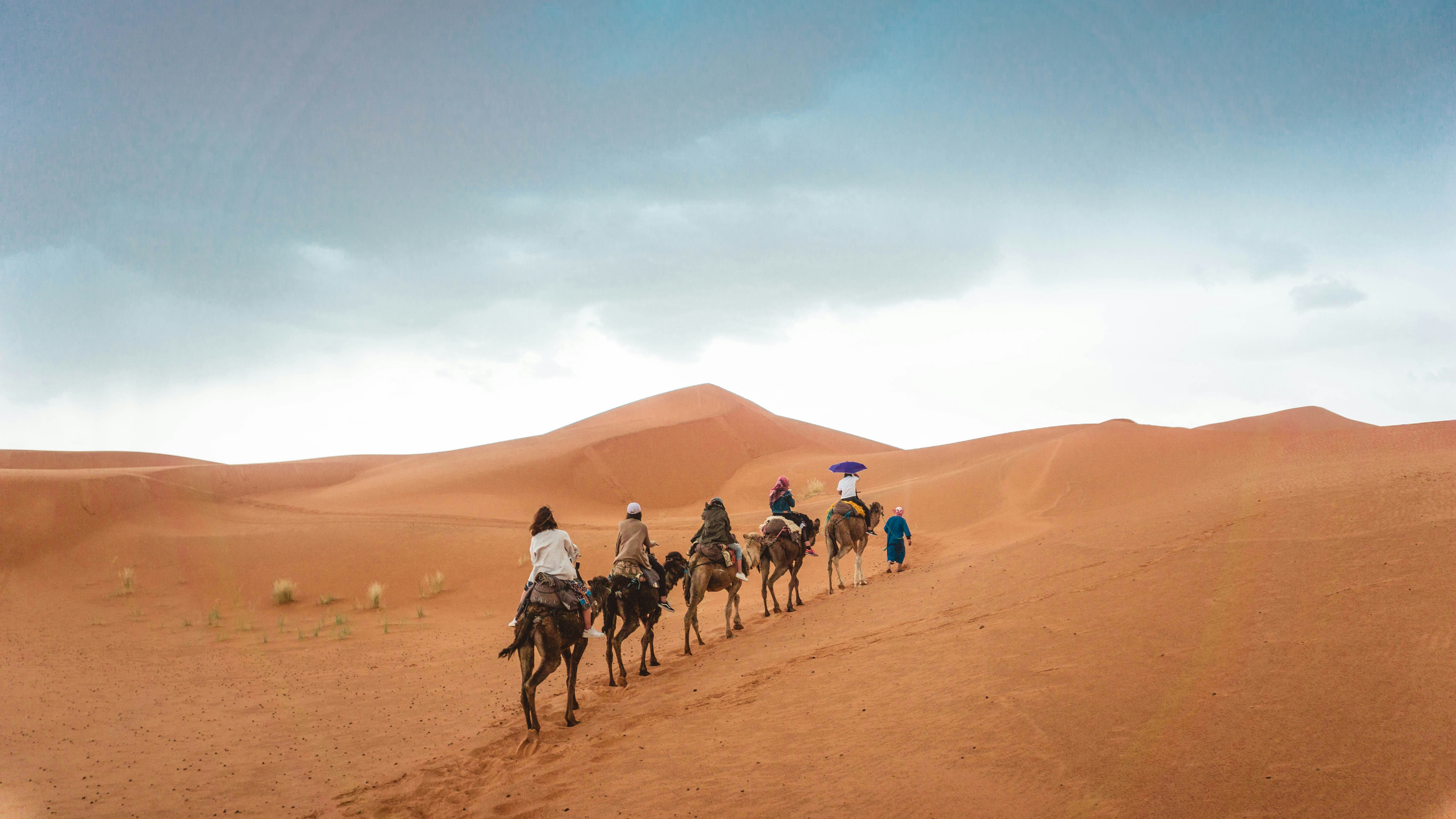
Palmeraie The palm grove on the northern edge of the city — not a neighbourhood in the conventional sense, but a landscape of extraordinary beauty that provides perspective on the city's relationship with the desert. Several of the city's finest riads and hotels are here, and the experience of arriving in Marrakech through the palmeraie at sunset is one of the great arrivals in North African travel.
When to Go
Best season: October to November and March to April. The temperatures are comfortable for extended walking in the medina — between 18 and 25 degrees — and the light is extraordinary. Spring brings the roses that supply the city's rose water industry and a particular freshness that the summer heat eliminates.
Avoid: July and August. Marrakech in high summer reaches 40 degrees and above — the medina becomes genuinely difficult to navigate, and the experience is compromised by heat that makes even short walks demanding. December and January are cool and occasionally cold at night — not unpleasant, but requiring more layers than most visitors anticipate.
The insider timing: The souks are best in the morning before 10am — the light is cooler, the traders are fresher, and the alleys are less crowded. The Jemaa el-Fna is best at sunset — arrive at the square by 6pm to watch the transformation from daytime chaos to evening spectacle.
How to Move Through the City
The medina is a walking city — and only a walking city. The alleys are too narrow for cars in most places, and the only way to experience the souks, the riads, and the hidden squares is on foot. Accept that you will get lost. Accept that getting lost is the method, not the problem. The medina is not large enough to get genuinely lost in, and every alley eventually leads back to somewhere recognizable.
Petit taxis — the small orange taxis that operate within Marrakech — are the correct way to move between the medina and the Nouvelle Ville, and to reach the Jardin Majorelle from the medina. Agree on a price before getting in or insist on the meter. Ride-hailing apps (Careem, InDriver) are increasingly available and remove the negotiation entirely.
The Nouvelle Ville — the French-built new town, particularly the Gueliz neighbourhood — is worth an afternoon for its cafés, galleries, and the contrast it provides with the medina.
Where to Stay
Medina — Riad — The only authentic way to stay in Marrakech. A riad is a traditional townhouse built around a central courtyard — quiet, beautiful, and the complete antithesis of the chaos outside the door. → https://www.booking.com/search.html?ss=Riad+Marrakech+Medina
Palmeraie — For space, quiet, and the luxury resort experience outside the city. → https://www.booking.com/search.html?ss=Palmeraie+Marrakech
Gueliz — Nouvelle Ville — For a more modern, less intense base with easy access to the medina by taxi. → https://www.booking.com/search.html?ss=Gueliz+Marrakech
What to Do
Jardin Majorelle and Musée YSL — The garden and museum together represent the finest two hours available in Marrakech. Book the museum in advance — entry is timed and sells out. → https://www.getyourguide.com/marrakech-l191/jardin-majorelle-ysl-museum-ticket/
Hammam Experience — The traditional Moroccan bath — steam, black soap, kessa scrub — is one of the great sensory experiences in North African travel. The Hammam de la Rose in the medina is excellent and accessible to visitors. → https://www.getyourguide.com/marrakech-l191/traditional-hammam-marrakech/
Souk Walking Tour with Local Guide — The souks are significantly more rewarding with a knowledgeable local guide who can explain the craft traditions, negotiate access to workshops, and navigate the labyrinth with genuine expertise. → https://www.getyourguide.com/marrakech-l191/marrakech-souk-guided-tour/
Atlas Mountains Day Trip — The High Atlas are visible from Marrakech on clear days and accessible within an hour. The Ourika Valley and the Toubkal National Park offer extraordinary mountain landscapes within easy reach of the city. → https://www.getyourguide.com/marrakech-l191/atlas-mountains-day-trip/