Munich
Where tradition and modern life exist as one.
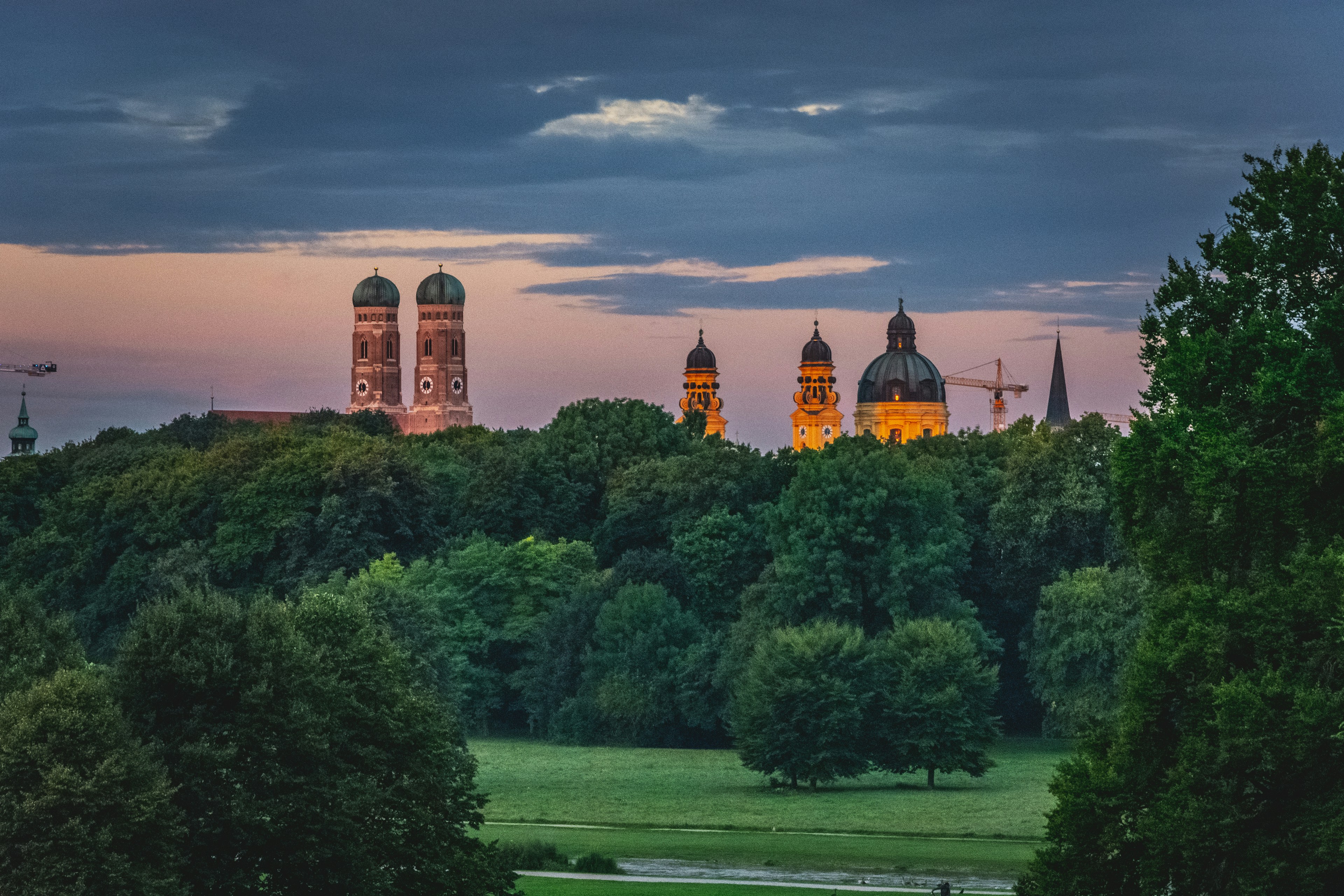
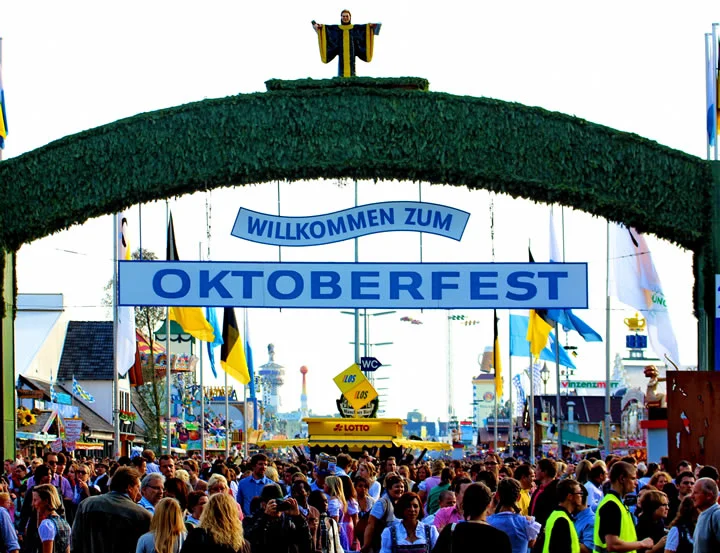
Munich travel rewards those who arrive without assumptions. Bavaria's capital is one of the most visited cities in Germany — and one of the most misunderstood. The world knows Munich through Oktoberfest and beer halls, through lederhosen and the Marienplatz glockenspiel. These things are real and worth experiencing. But they are the surface of a city that operates at a depth that most visitors never reach.
Munich is a city of extraordinary quality of life — consistently ranked among the most liveable cities in Europe, and for reasons that become immediately apparent to the attentive traveler. The parks are vast and genuinely used. The food markets are exceptional. The museums are world-class. The public transport is a model of efficiency. And beneath the Bavarian tradition — which is real, deeply felt, and worth respecting — there is a modern, cosmopolitan, intellectually serious city that produces some of the finest contemporary art, architecture, and design in Europe.
A Munich travel guide that stops at the Hofbräuhaus has missed the point. TravelScope approaches Munich as a city of balance — between tradition and modernity, between gemütlichkeit and ambition, between the beer garden and the Pinakothek. This is the Munich worth your time.
The Atmosphere
Munich has a quality of life that is palpable from the first morning. The city is clean, well-organized, and designed for human habitation in a way that few European capitals achieve. The Bavarians take their pleasures seriously — food, beer, nature, and the particular art of doing nothing in a beer garden on a warm afternoon — and this seriousness of pleasure creates an atmosphere of comfortable, confident enjoyment.
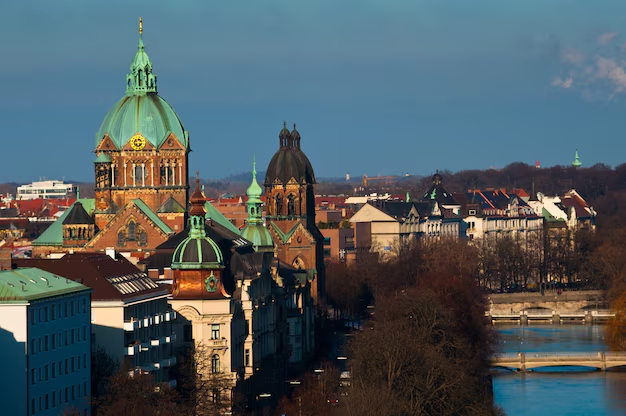
The light in Munich is Central European — crisper and clearer than the soft light of Paris or Rome, with a quality in autumn and winter that makes the city's neoclassical architecture particularly dramatic. The Isar river runs through the city and gives it a particular freshness — the water is clean enough to swim in during summer, which the locals do, in one of the more extraordinary urban bathing experiences in Europe.
The rhythm of Munich is shaped by tradition in ways that are genuinely surprising. The city still closes on Sundays in ways that other European capitals have long abandoned. The beer garden culture — communal tables, litre measures, the expectation that you will sit next to strangers and talk — creates a social atmosphere of unusual openness for a northern European city.
The Neighbourhoods Worth Your Time
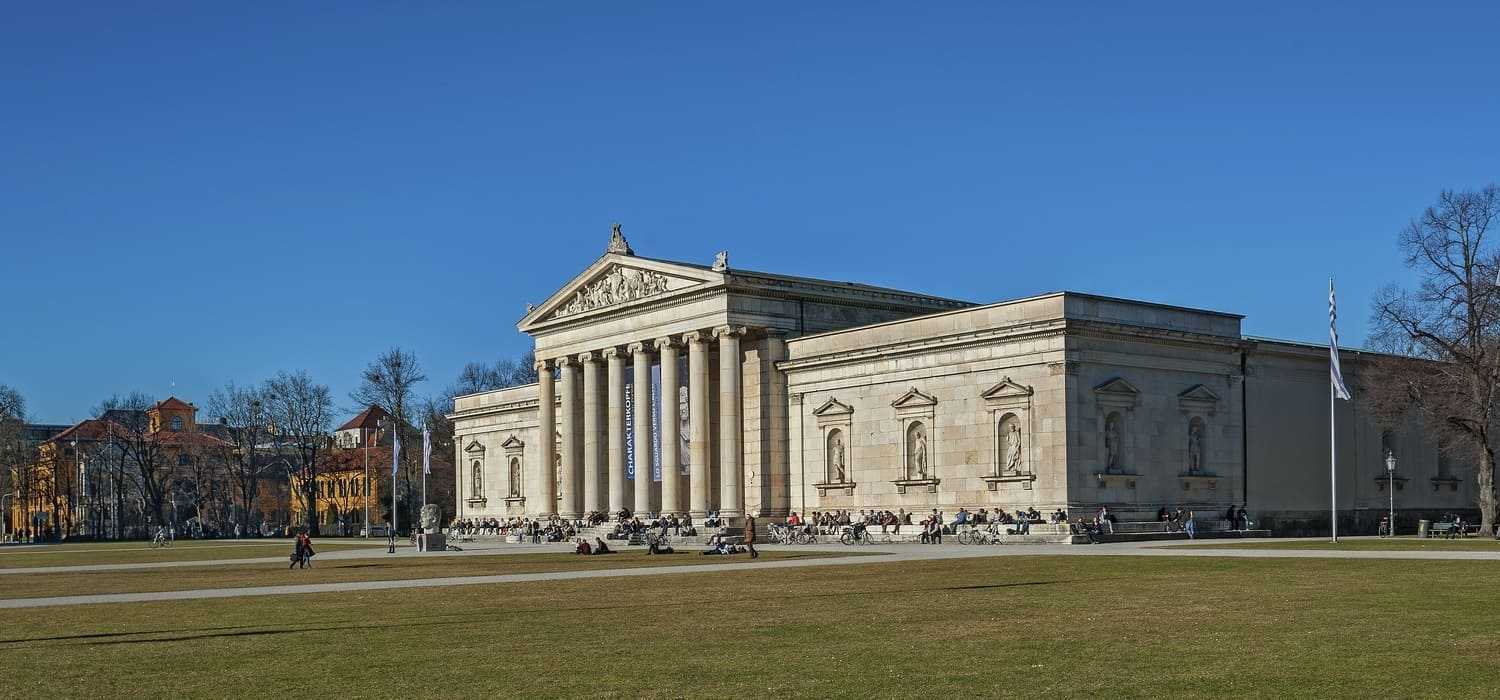
Maxvorstadt The museum quarter and the intellectual heart of Munich — the three Pinakotheken (art museums), the Lenbachhaus, the Brandhorst, and the Architecture Museum are all here, within walking distance of each other. This is one of the great concentrations of world-class art in Europe, and it is almost always uncrowded by the standards of comparable institutions in Paris or London. Spend a full day here and you will understand Munich's cultural ambition.
Schwabing The bohemian neighbourhood north of Maxvorstadt — wide boulevards, excellent cafés, the English Garden on its eastern edge. This was the neighbourhood of Kandinsky and Klee, of the artists and writers who made Munich one of Europe's great cultural capitals at the turn of the twentieth century. It retains a particular creative atmosphere that the more polished neighbourhoods of central Munich do not have.
Glockenbachviertel Munich's most progressive and diverse neighbourhood — independent restaurants, design shops, natural wine bars, and the most interesting street life in the city. The Viktualienmarkt is nearby, and the combination of the market in the morning and the Glockenbach in the afternoon and evening is one of Munich's perfect days.
Haidhausen The neighbourhood east of the Isar — quieter, more residential, with a village character that has survived the city's growth. The Wiener Markt on Saturday mornings is excellent, and the cafés along the Weißenburger Platz are among the best in Munich for an unhurried breakfast.
When to Go
Best season: May to June, and September for Oktoberfest (if that is the intention) or late September to October for autumn without the festival crowds. Munich in late spring is extraordinary — the beer gardens open, the English Garden fills with locals, and the Alps are visible on clear days from the city's higher points.
Avoid: January and February, when the city is cold and operating at reduced cultural capacity. December is worth considering specifically for the Christmas markets, which are among the finest in Europe.
The insider timing: Oktoberfest is worth experiencing once, but the first weekend is the most crowded and the most expensive. The final week of the festival — quieter, more local, less performative — is a significantly better experience for the intentional traveler.
How to Move Through the City
Munich's public transport system — the U-Bahn, S-Bahn, tram, and bus network — is one of the finest in Europe. A day pass covers all modes and is the most economical option for visitors. The system runs on trust — ticket inspections are infrequent but fines are significant.
The city is also excellent for cycling — flat, well-signed cycle lanes, and a bike-share system that makes two-wheeled exploration practical and enjoyable. The English Garden in particular is best explored by bike.
Walk the central neighbourhoods — from the Marienplatz through the Viktualienmarkt to the Glockenbachviertel is a journey of under thirty minutes on foot that takes you through the essential character of the city.
Where to Stay
Maxvorstadt — For proximity to the museums and the intellectual life of the city. → https://www.booking.com/search.html?ss=Maxvorstadt+Munich
Glockenbachviertel — For the most interesting neighbourhood life and the best restaurants. → https://www.booking.com/search.html?ss=Glockenbachviertel+Munich
Haidhausen — For a quieter, more residential experience east of the Isar. → https://www.booking.com/search.html?ss=Haidhausen+Munich
What to Do
Alte Pinakothek — Early Morning — One of the great Old Master collections in the world, from Dürer to Rubens to Rembrandt. Arrive at opening on a weekday and the galleries are almost entirely yours. → https://www.getyourguide.com/munich-l30/alte-pinakothek-ticket/
Viktualienmarkt Morning — Munich's central food market, operating six days a week. The best introduction to Bavarian food culture — cheese, bread, sausage, and the beer garden at the centre of the market where locals drink their first beer of the day at 9am without apology. → https://www.getyourguide.com/munich-l30/viktualienmarkt-food-tour/
English Garden and Eisbach Wave — The largest urban park in the world contains, improbably, a permanent river wave where surfers ride year-round. The contrast between the Bavarian park culture and the surfing subculture is one of Munich's most entertaining contradictions. → https://www.getyourguide.com/munich-l30/english-garden-tour/
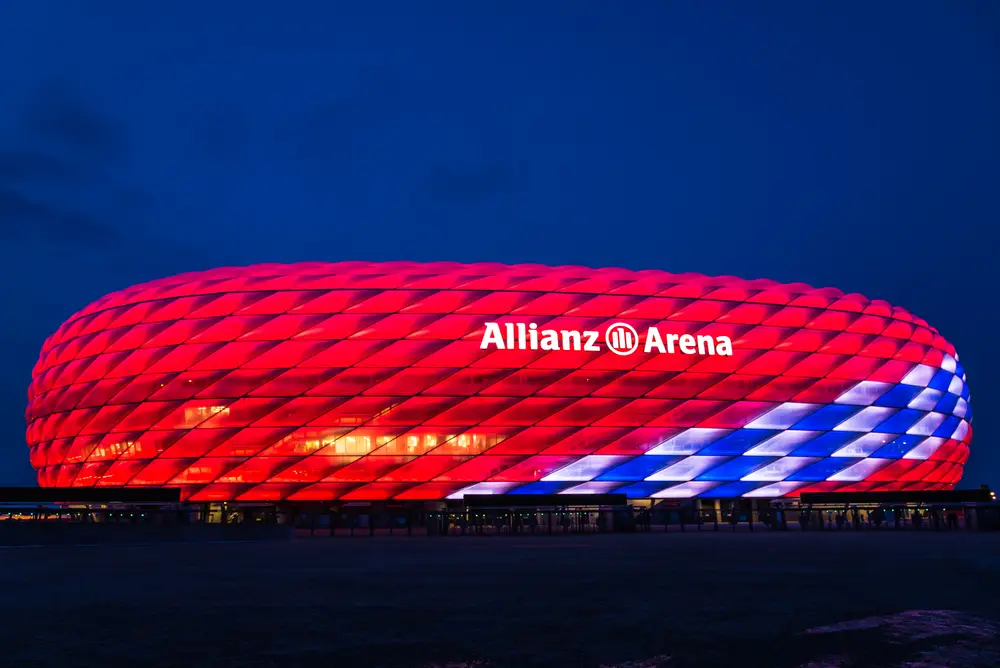
BMW Museum and Welt — For design and automotive history — one of the finest brand museums in the world, regardless of interest in cars. The architecture alone justifies the visit. → https://www.getyourguide.com/munich-l30/bmw-museum-ticket/