Nassau
Where island rhythm, colonial streets and ocean horizons meet.
Nassau defies most travelers’ expectations. The capital of the Bahamas is not a resort. It is a city with an extraordinarily complex history, a culture of real depth, and a beauty that goes far beyond the turquoise water of its postcard image. Anyone who arrives expecting only a beach destination and leaves having experienced only that has missed one of the Atlantic’s most fascinating small capitals.
The Bahamas were the first place in the Americas that Columbus reached in 1492, and Nassau has sat at the intersection of colonial power, piracy, slavery, and liberation ever since. The city’s architecture — Georgian colonial buildings painted in the colours of the Caribbean, a hilltop fort that was never seriously attacked, a straw market that has operated for centuries — carries that history in every detail. To walk Nassau’s streets slowly is to read a compressed Atlantic history from the perspective of those who lived it, rather than those who wrote about it.
TravelScope approaches Nassau not as a gateway to the Exumas or a cruise ship stop, but as a destination in its own right — a city of warmth, colour, history, and the particular beauty of a place that sits at the edge of one of the most extraordinary bodies of water on earth.
The Atmosphere
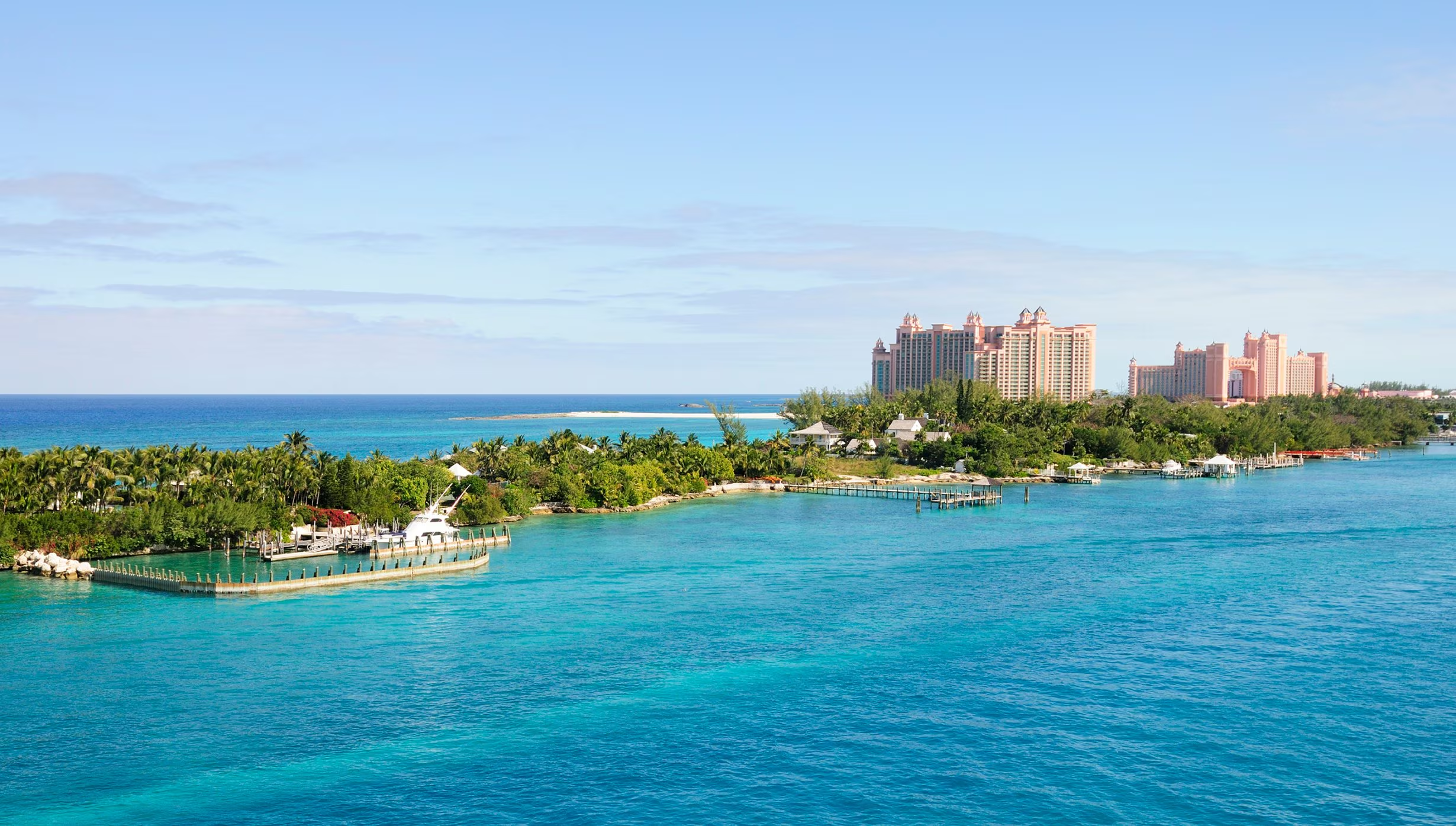
Nassau's atmosphere is defined by the sea. The city sits on a narrow island with the Atlantic on one side and the calmer waters of the harbour on the other, and the ocean is never more than a few minutes away in any direction. This proximity to water gives the city a particular quality of light — bright, reflective, slightly bleached — and a rhythm that is shaped by tides and trade winds rather than clocks and schedules.
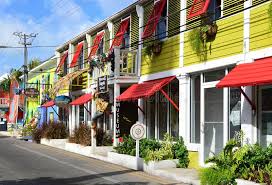
The colour of Nassau is extraordinary. The colonial buildings along Bay Street and in the historic centre are painted in shades of pink, yellow, turquoise, and coral that would look garish anywhere else and look exactly right here — the colours of the Caribbean light, the colours of the sea, the colours of a culture that has learned to find beauty in its particular circumstances. The bougainvillea that grows over every wall and fence adds another layer of colour that photographers spend entire visits trying to capture correctly.
The pace of Nassau is Caribbean — unhurried, warm, and governed by a philosophy of enjoyment that visitors from more anxious latitudes find either liberating or frustrating, depending on their temperament. Adopt the pace and Nassau opens. Resist it and the city will simply wait for you to catch up.
The Neighbourhoods Worth Your Time
Downtown Nassau — Bay Street The historic commercial heart of the city — the colonial architecture, the Straw Market, the British Colonial hotel, and the particular energy of a downtown that serves both its residents and its visitors without fully surrendering to either. Walk Bay Street in the morning before the cruise ships arrive and you will find a city going about its business with genuine character.
Grant's Town and the Over-the-Hill Neighbourhood The neighbourhood that most visitors never see — the historic home of Nassau's Afro-Bahamian community, built by freed slaves after emancipation and still the most culturally alive part of the city. The cooking smells, the gospel music from the churches on Sunday morning, and the particular warmth of a neighbourhood that has maintained its identity through every transformation of the city around it are worth an afternoon of respectful, curious attention.
Cable Beach The resort strip west of downtown — less beautiful than the Exumas but more accessible, and with the particular energy of a beach that serves both tourists and Nassau residents. The fish fry at Arawak Cay, just east of Cable Beach, is the best introduction to Bahamian food culture — conch fritters, cracked conch, fish and grits, eaten at plastic tables with cold Kalik beer.
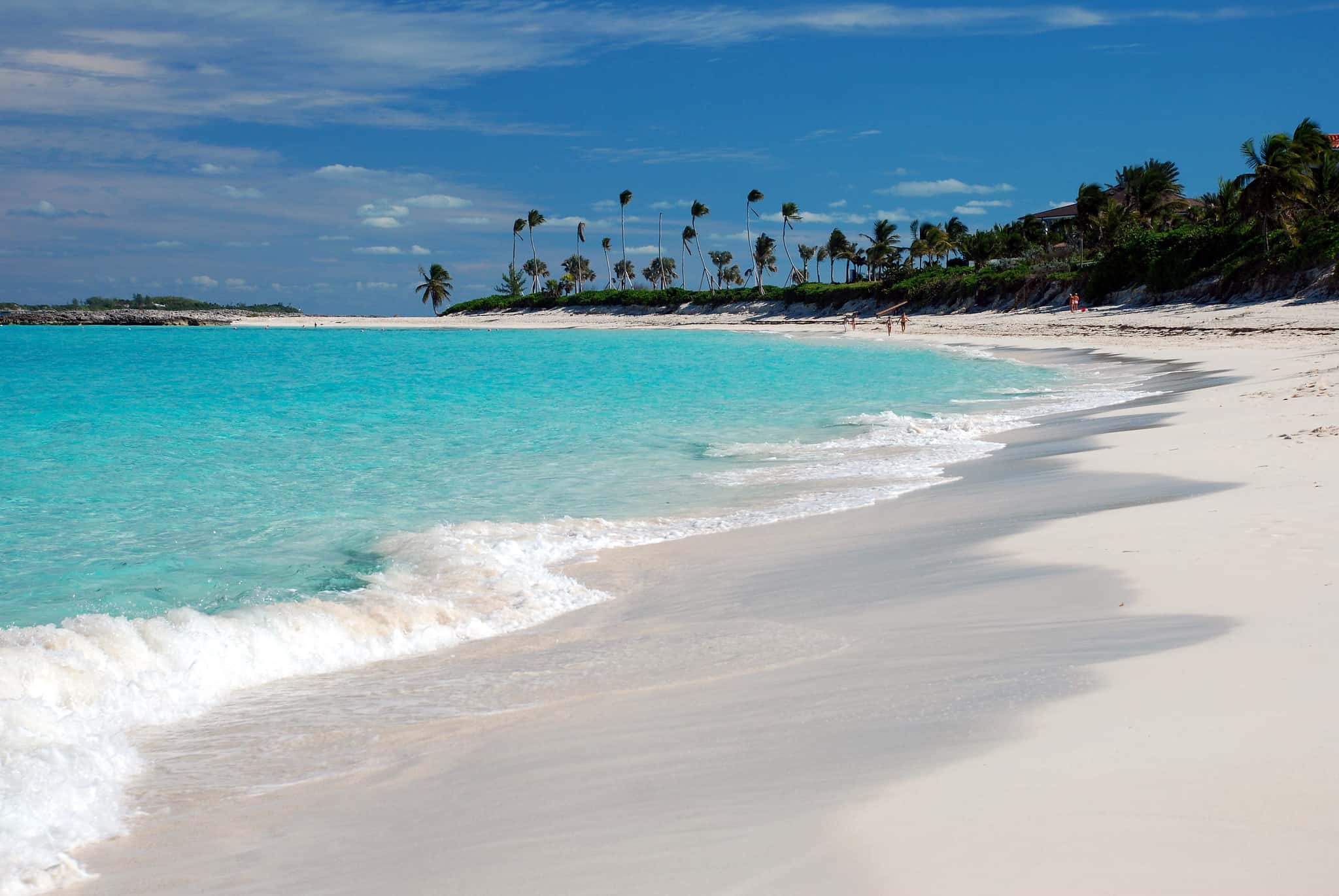
Paradise Island Connected to Nassau by bridge — the resort island that contains Atlantis and several of the finest beaches in the Bahamas. The beach on the Atlantic side of Paradise Island is one of the most beautiful in the Caribbean, and accessible without a resort stay. Come in the early morning when it belongs to the sea.
When to Go
Best season: December to April. The Bahamian winter is warm, dry, and consistently beautiful — temperatures between 21 and 27 degrees, low humidity, and the trade winds that make the heat comfortable. This is peak season and prices reflect it, but the experience justifies the cost.
Avoid: September and October — the peak of hurricane season. The Bahamas sits directly in the Atlantic hurricane track and the risk, while manageable with travel insurance and flexibility, is real. August is hot and humid with occasional storms.
The insider timing: The Straw Market and Bay Street are best before 9am, before the cruise ships disembark their passengers and transform the downtown into a managed tourist experience. The fish fry at Arawak Cay is best at lunch — arrive by noon for the freshest conch and the most local atmosphere.
How to Move Through the City
Nassau is small enough to walk in its historic centre but spread enough to require transport for the beaches and outer neighbourhoods. Taxis are the primary mode of transport and are generally reliable — agree on a price before getting in as meters are not standard. Water taxis connect Nassau to Paradise Island at modest cost and give a perspective on the harbour that the bridge does not.
Rental cars are available and useful for those planning to explore the island beyond the city — the Queen's Highway runs the length of New Providence and gives access to beaches and communities that taxis rarely serve. Drive on the left — the Bahamas maintains the British colonial driving convention.
The ferry to the Out Islands — Harbour Island, the Exumas, Eleuthera — operates from Potter's Cay Dock beneath the Paradise Island bridge. For those with time, an overnight or two on Harbour Island represents one of the great small-island experiences in the Atlantic world.
Where to Stay
Downtown Nassau — For history, walkability, and the most authentic Nassau experience. → https://www.booking.com/search.html?ss=Downtown+Nassau+Bahamas
Cable Beach — For beach access and resort amenities with easy access to the city. → https://www.booking.com/search.html?ss=Cable+Beach+Nassau+Bahamas
Paradise Island — For the finest beaches and the full resort experience. → https://www.booking.com/search.html?ss=Paradise+Island+Nassau+Bahamas
What to Do
Arawak Cay Fish Fry — The essential Nassau food experience — conch in every form, grilled fish, Bahamian macaroni, cold Kalik beer, and the most genuine local atmosphere in the city. Lunch only, arrive early. → https://www.getyourguide.com/nassau-l3853/nassau-food-tour/
Fort Charlotte — The largest fort in the Bahamas, built by the British in 1788 and never fired upon in anger. The views over Nassau harbour and the surrounding cays from the battlements are extraordinary and the history — told by local guides with genuine enthusiasm — is worth the visit. → https://www.getyourguide.com/nassau-l3853/nassau-historical-tour/
Snorkeling at the Lost Blue Hole — The waters around Nassau contain some of the finest snorkeling in the Atlantic — coral gardens, tropical fish, and the particular clarity of Bahamian water that makes everything look closer and more vivid than it should. → https://www.getyourguide.com/nassau-l3853/nassau-snorkeling-tour/
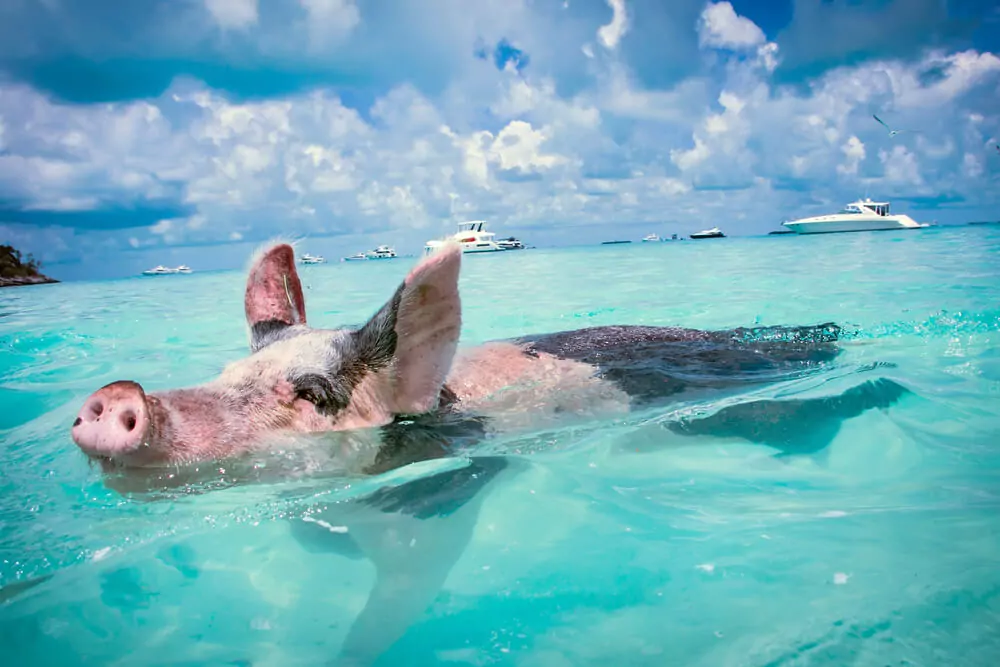
Day Trip to the Exumas — The chain of islands south of Nassau contains some of the most extraordinary water in the world — the swimming pigs of Big Major Cay, the nurse sharks of Compass Cay, the iguanas of Leaf Cay. A day trip by fast boat is one of the great Caribbean experiences. → https://www.getyourguide.com/nassau-l3853/exuma-day-trip/