New York
A city that never stands still. And neither do you.
New York does not ease you in. It arrives all at once — the density, the noise, the vertical ambition of it — and asks you immediately to decide what kind of traveler you are. Those who resist it, who try to impose their own pace on a city that has never slowed for anyone, will find it exhausting. Those who surrender to its rhythm, who allow themselves to be carried by its current, will find something extraordinary: a city that rewards presence more than any other on earth.
This is a city built on motion. Everything here moves — the people, the money, the ideas, the light as it shifts between the towers and reaches the street below in unexpected angles and at unexpected hours. To travel New York intentionally is not to slow it down, but to learn to read it at speed — to notice what is happening in the margins while the main event plays out at full volume.
TravelScope approaches New York not as a list of landmarks but as a series of neighbourhoods, each with its own logic, its own tempo, its own way of being in the world. The city reveals itself not from the top of its towers but from its streets, its markets, its parks, its unremarkable corners that turn out to be anything but.
The Atmosphere
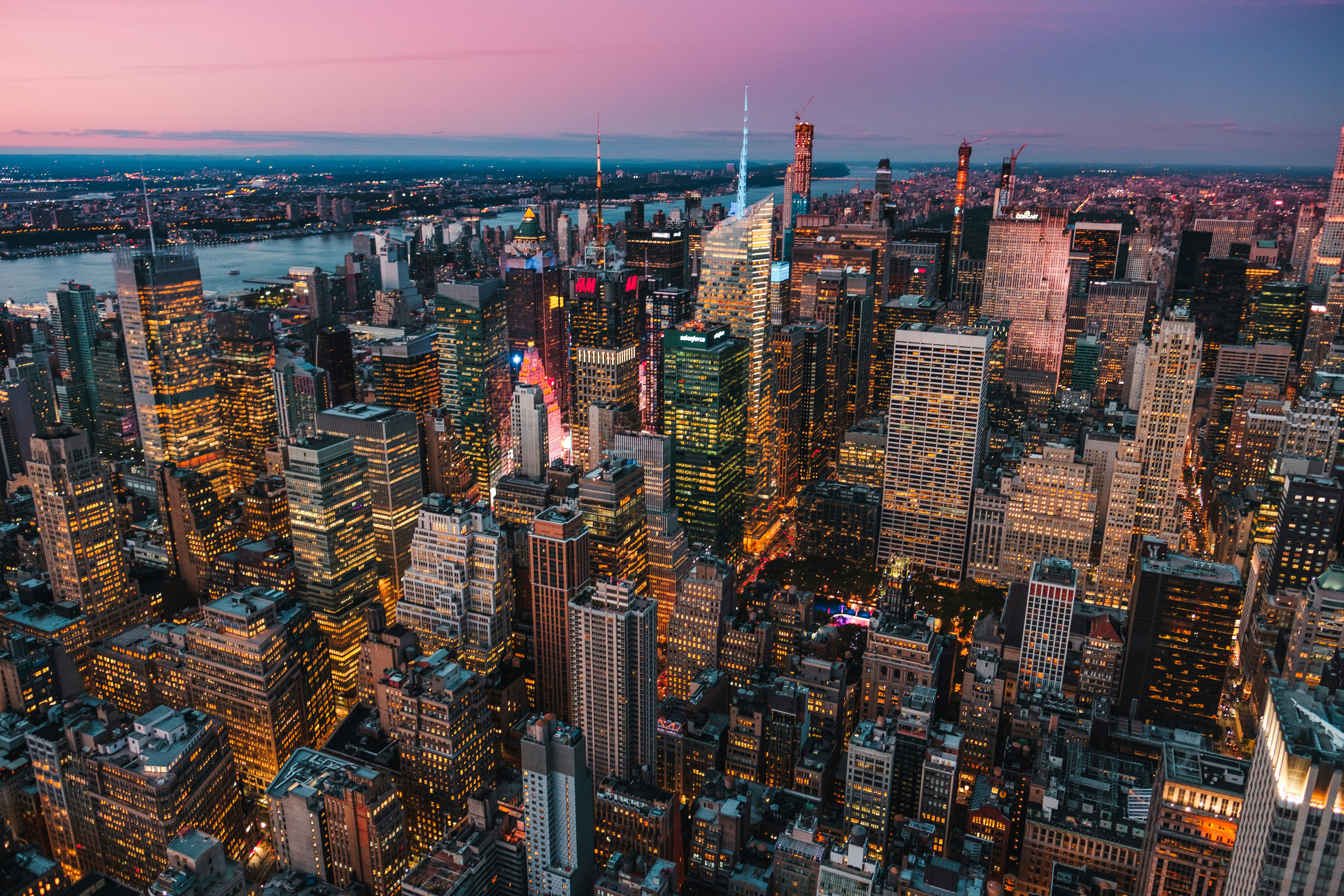
New York operates at a frequency that is unlike any other city. The energy is not aggressive — it is generative. People here are moving toward something, and that collective forward momentum creates an atmosphere of possibility that is almost physical in its presence. You feel it on the subway platform, in the coffee queue, on any street corner at any hour.
The light in New York is one of its least discussed but most extraordinary qualities. The city's grid creates corridors that channel sunlight in dramatic, almost cinematic ways — particularly in the late afternoon, when the western sky turns the glass towers amber and the shadows lengthen across the avenues. This is the hour to be walking, not underground.
Sound in New York is a composition — layers of traffic, construction, conversation, music from open windows, the particular percussion of the subway grate underfoot. It is loud, but it is not chaotic. Learn to listen within the noise and you will find a city that is constantly, generously talking.
The Neighbourhoods Worth Your Time
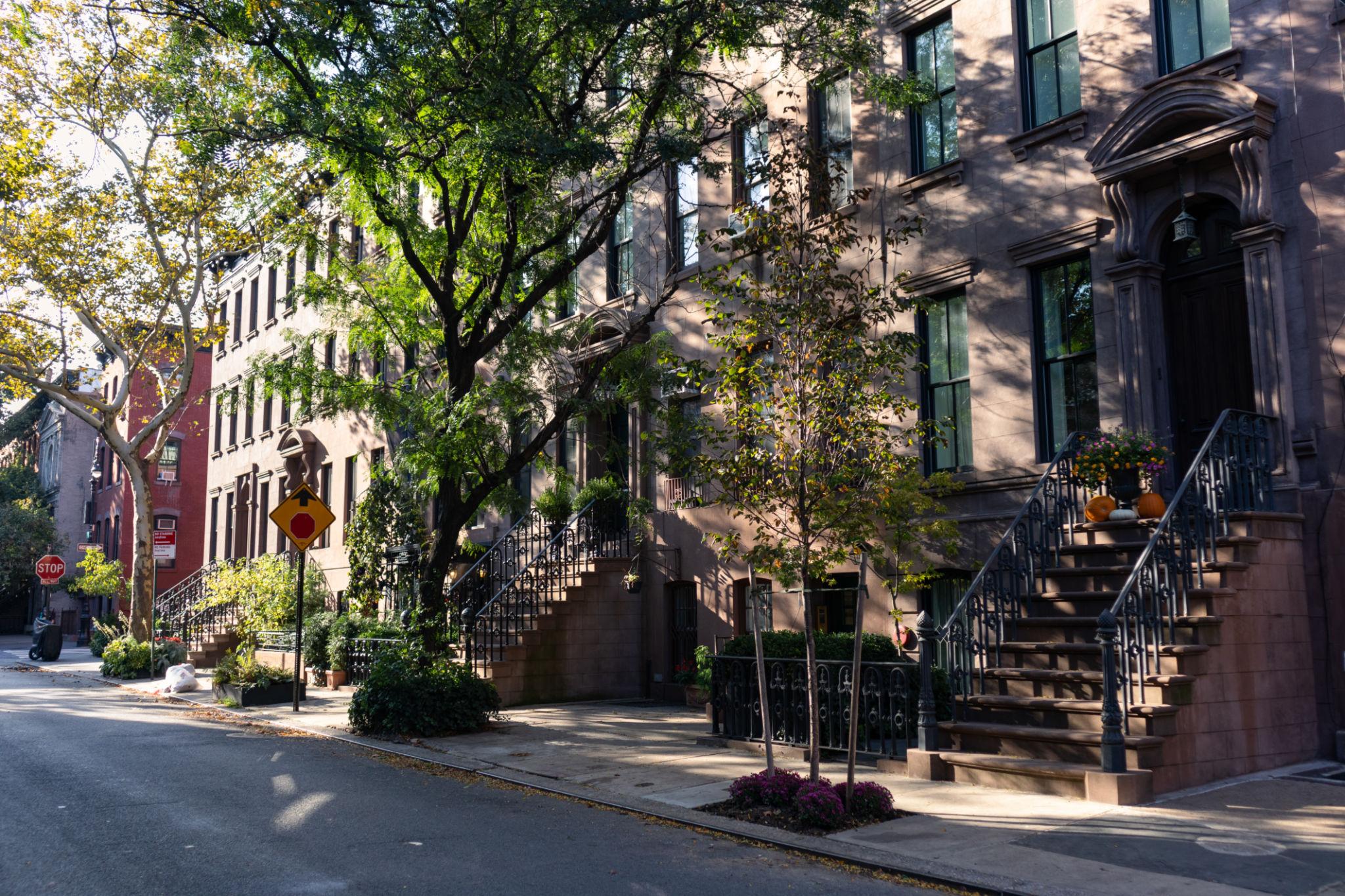
The West Village The most human-scaled neighbourhood in Manhattan — narrow streets that predate the grid, Federal-style townhouses, restaurants that have been excellent for decades. Walk here in the morning before the brunch crowds arrive and you will find something that feels almost European in its quietness. Return in the evening for dinner and you will find something entirely New York.
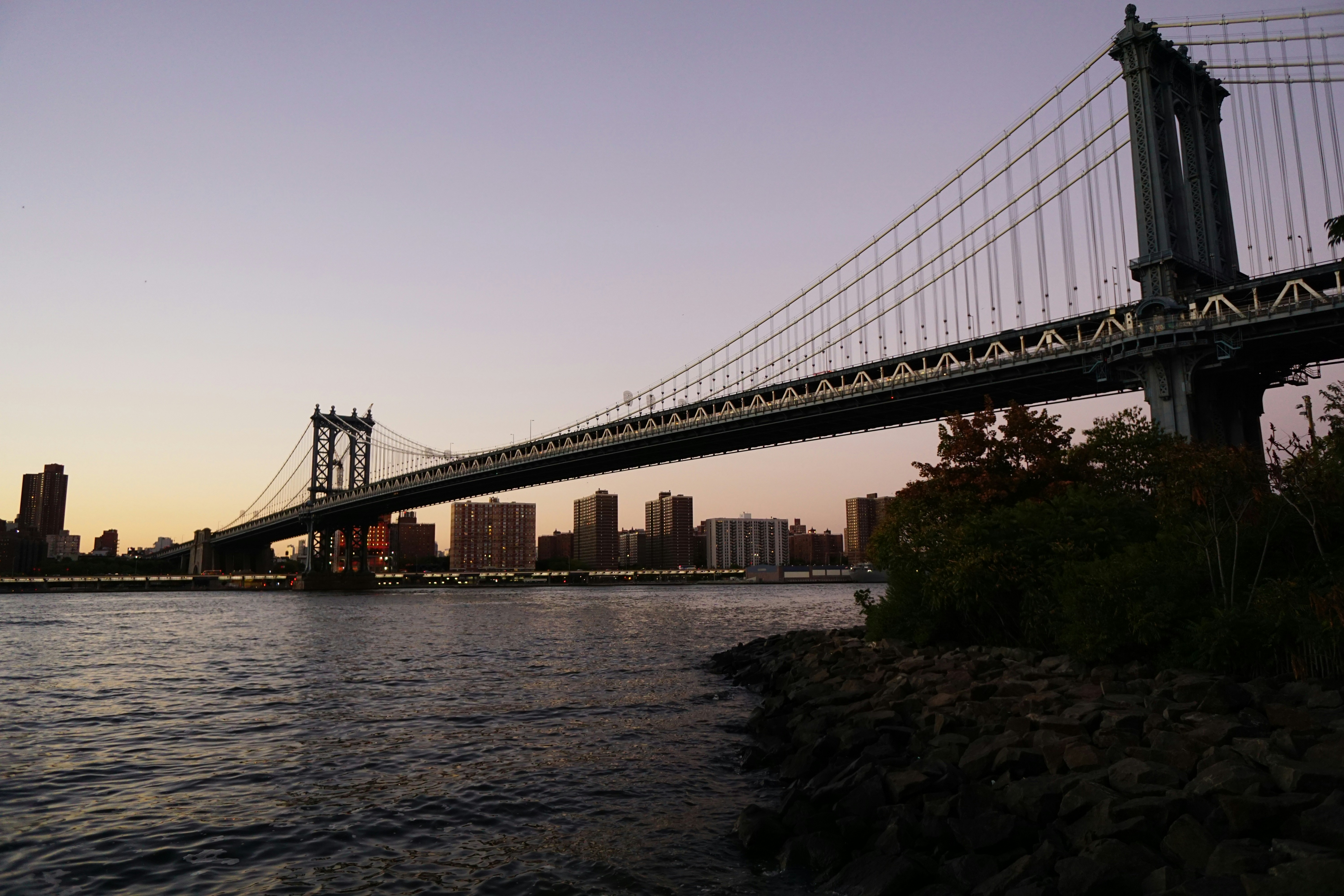
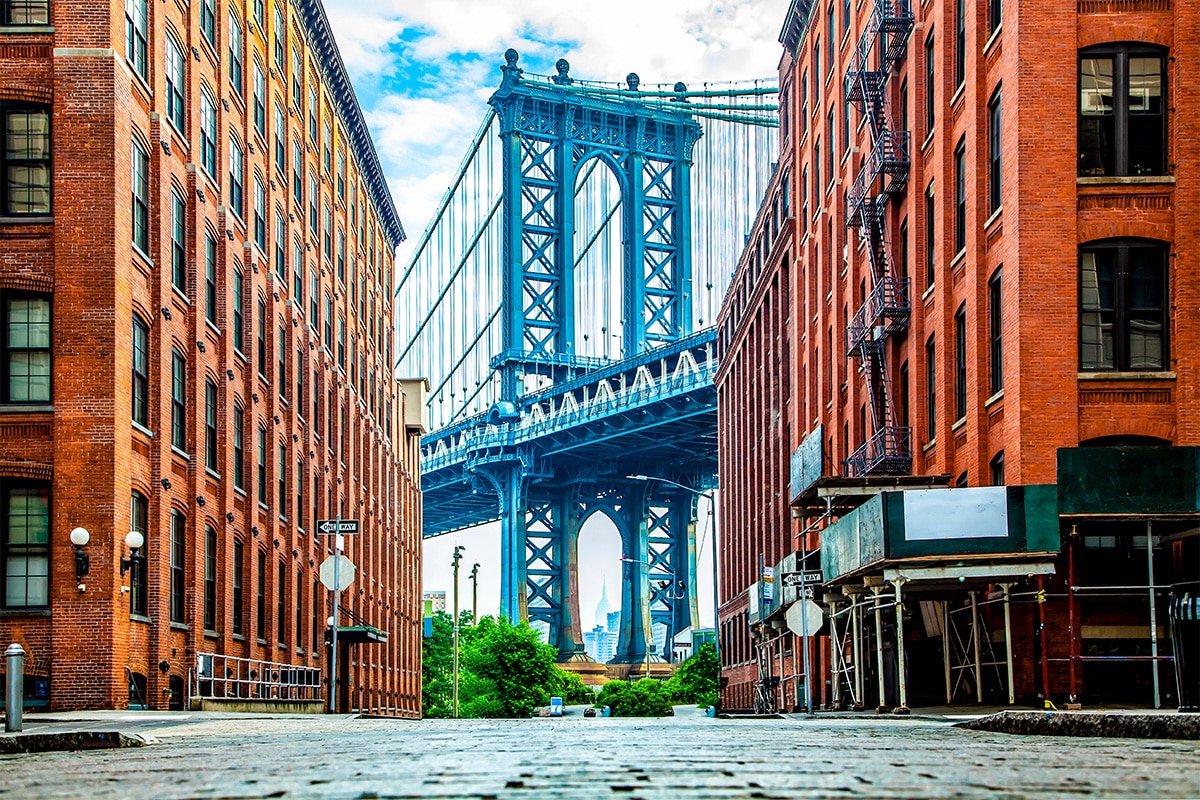
Dumbo, Brooklyn The neighbourhood under the Manhattan and Brooklyn bridges offers the best view of Manhattan from the outside — and increasingly, some of the best food, art, and architecture in the city. Come on a weekday morning for the light on the bridges and stay for lunch.
Harlem One of the most historically rich and culturally alive neighbourhoods in New York, Harlem rewards curiosity and respect. Sunday morning gospel, the Apollo Theater, the food culture along Malcolm X Boulevard — this is a neighbourhood that has its own pace and its own story, and it will share both if you approach with genuine interest.
The Lower East Side The neighbourhood that absorbed wave after wave of immigration and retained the energy of all of them. Now one of the most interesting places in New York for food, music, and the particular electricity of a neighbourhood in constant reinvention. Come at night.
When to Go
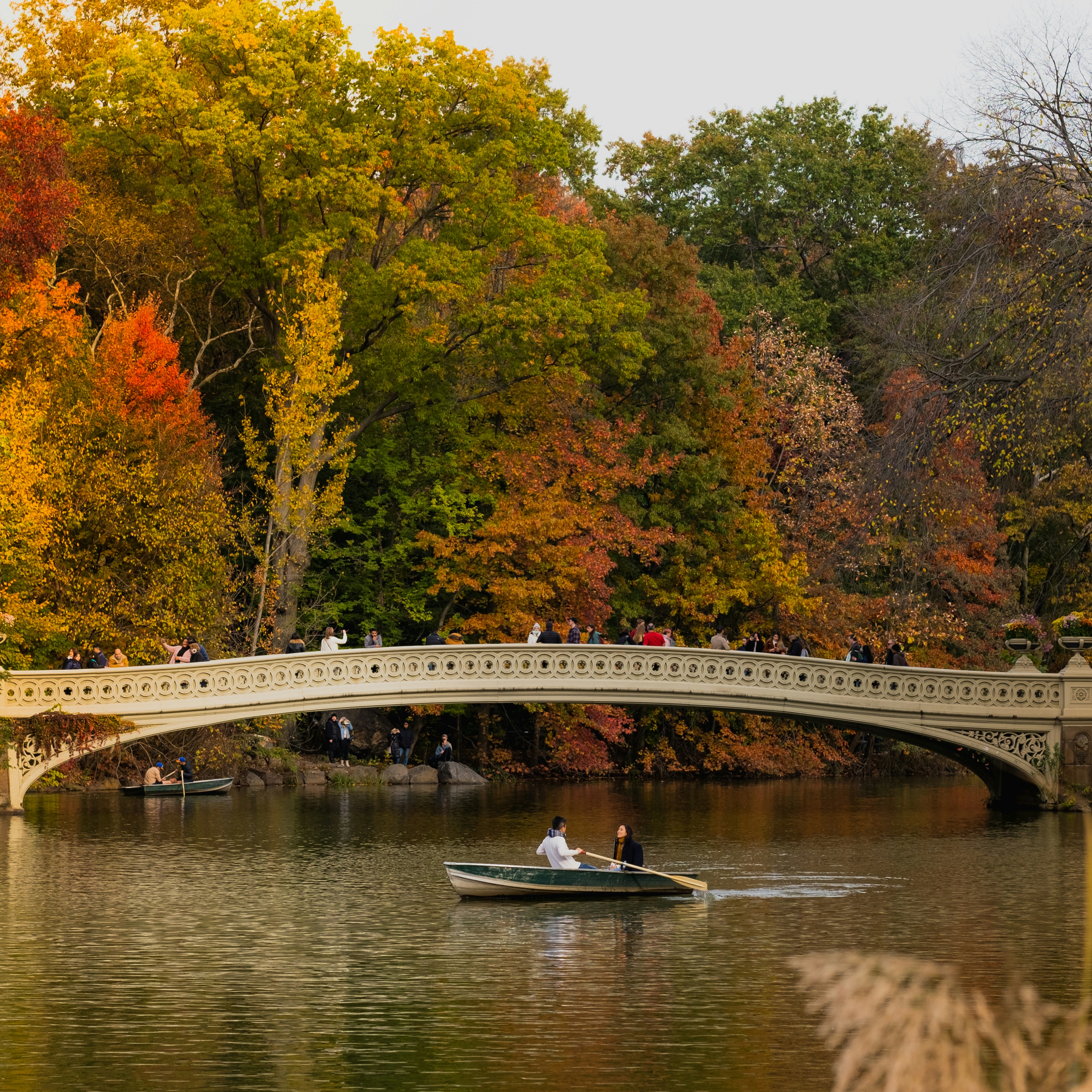
Best season: September and October, and April to early June. The light is extraordinary in autumn — crisp and golden — and the city operates at full capacity without the brutal heat of summer. Spring brings a particular optimism to New York that is worth experiencing.
Avoid: July and August if you are sensitive to heat and humidity. The city does not stop, but the experience is compromised by temperatures that can make walking — essential to understanding New York — genuinely unpleasant.
The insider timing: The city before 8am belongs to its residents. Early morning in Central Park, on the Brooklyn Bridge, or in any neighbourhood market is a different New York entirely — quieter, more honest, more generous with itself.
How to Move Through the City
The subway is the city's circulatory system and the fastest way to move between neighbourhoods. It runs 24 hours, it is inexpensive, and once understood it is entirely logical. Download a transit app before you arrive and do not be intimidated by its complexity — it simplifies quickly.
Walk whenever the distance is under twenty minutes. New York reveals itself on foot in ways that no other form of transport allows. The transition between neighbourhoods — the moment when SoHo becomes Chinatown, or when the Meatpacking District becomes the West Village — is one of the great pleasures of the city and only accessible to pedestrians.
Taxis and rideshare are useful for late nights and longer crosstown journeys. Avoid them during rush hour — the subway will always be faster.
Where to Stay
The West Village — For atmosphere and walkability. The best neighbourhood in Manhattan to be based in, with excellent restaurants and a genuine residential feeling. → https://www.booking.com/search.html?ss=West+Village+New+York
Midtown — For convenience and proximity to major sites. Not the most interesting neighbourhood but strategically unbeatable. → https://www.booking.com/search.html?ss=Midtown+Manhattan+New+York
Brooklyn — Dumbo / Williamsburg — For a different New York experience. Across the bridge but well connected, and increasingly the more interesting place to be based. → https://www.booking.com/search.html?ss=Dumbo+Brooklyn+New+York
What to Do
The High Line at Dawn — The elevated park on the old rail line is best experienced before the crowds arrive. Early morning in autumn is extraordinary. → https://www.getyourguide.com/new-york-city-l59/high-line-tour/
Brooklyn Bridge Walk — Cross on foot, early morning, eastbound. The light on the Manhattan skyline from the bridge at 7am is one of the great urban experiences. → https://www.getyourguide.com/new-york-city-l59/brooklyn-bridge-walking-tour/
The Met — Early Entry — The Metropolitan Museum of Art is one of the great museums of the world. Arrive at opening and go directly to the galleries that interest you most — the crowds build slowly. → https://www.getyourguide.com/new-york-city-l59/metropolitan-museum-of-art-ticket/
Harlem Food and Culture Tour — The best introduction to a neighbourhood that deserves more than a passing visit. → https://www.getyourguide.com/new-york-city-l59/harlem-food-tour/
Read More
Take New York Further
New York, Seen Differently is a curated city guide built for travellers who want more than a checklist — 5 neighbourhoods mapped by vibe, hidden gems, where to eat like a local, a 3-day itinerary, and a private Google Maps with every place saved and ready.