Singapore
Where tropical stillness meets architectural precision.
Singapore should not exist. A city-state of six million people on an island smaller than many European cities, with no natural resources, no agricultural land, and no strategic depth — and yet it has become one of the wealthiest, most efficient, and most extraordinary urban environments on earth. The story of Singapore is one of the great acts of collective will in modern history, and the city itself is the evidence.
But Singapore travel guides tend to make the same mistake — they treat the city as a showcase of modernity and miss the extraordinary complexity that lies beneath the gleaming surface. Singapore is not one city but several, layered on top of each other: the colonial city, the Chinese city, the Malay city, the Indian city, and the hyper-modern global city that contains and connects them all. The traveler who understands this layering will find Singapore inexhaustible. The one who doesn't will find it expensive and superficial.
TravelScope approaches Singapore as a city of controlled intensity — where everything is designed, everything is intentional, and within that intentionality there are moments of extraordinary beauty, flavour, and human warmth that no amount of planning could fully account for. This is the Singapore worth your time.
The Atmosphere
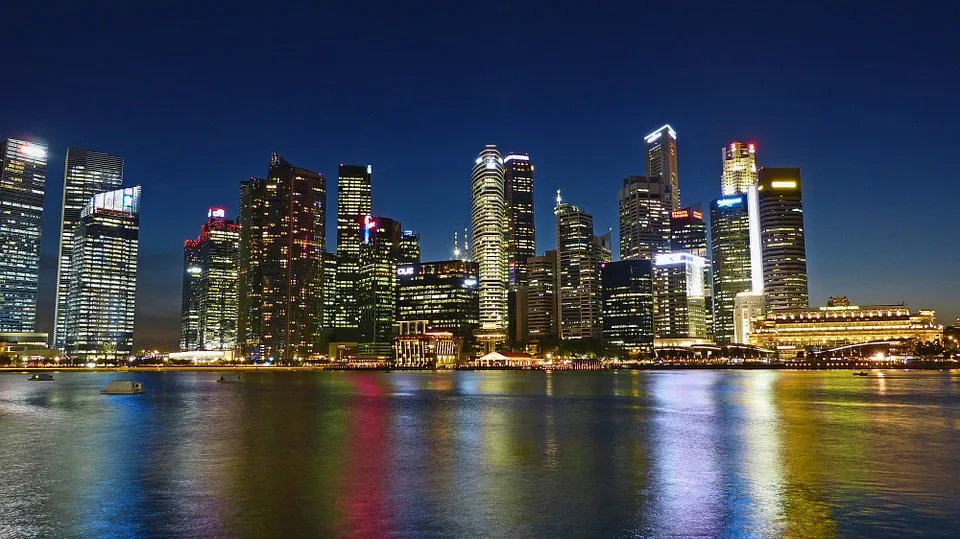
Singapore operates at a frequency of controlled perfection. The city is clean, safe, and efficient in ways that initially feel almost uncanny to visitors from less organized urban environments. The MRT runs on time. The streets are immaculate. The food courts are extraordinary. This perfection can feel sterile to those who equate authentic urban experience with visible disorder — but spend more than two days in Singapore and the perfection begins to reveal its depth.
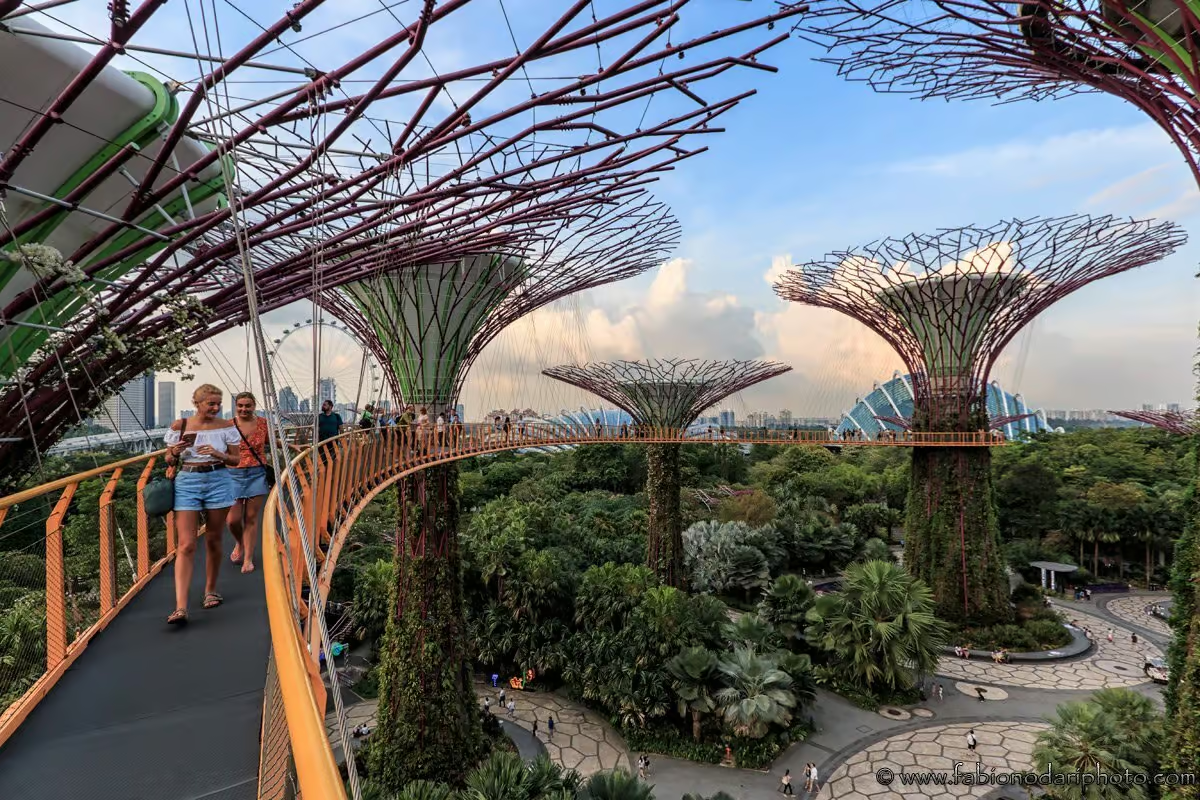
The heat in Singapore is the city's defining physical reality. Located one degree north of the equator, the city operates under a tropical sun that makes midday walking genuinely punishing. The city has adapted architecturally — covered walkways connect buildings, the MRT is arctic with air conditioning, and the Gardens by the Bay represent a kind of air-conditioned nature that is entirely Singaporean in its ambition. Embrace the rhythm of the city: move in the early morning and evening, rest in the midday heat.
The food in Singapore deserves its own paragraph because it is not merely a feature of the city — it is the culture. The hawker centre is Singapore's great democratic institution, where Michelin-starred dishes are served for four dollars alongside stalls that have been perfecting a single dish for three generations. To eat in Singapore is to understand the city's history, its diversity, and its values in a single meal.
The Neighbourhoods Worth Your Time
Chinatown Singapore's Chinatown is denser and more authentic than its equivalents in most Western cities — the shophouses are real, the temples are active, and the food is extraordinary. The Maxwell Food Centre is here, home to Tian Tian Hainanese Chicken Rice — one of the most famous hawker stalls in the world, and worth every minute of the queue. Come in the early morning when the neighbourhood belongs to its residents.
Little India The most sensory neighbourhood in Singapore — colour, spice, sound, and the particular energy of a community that has maintained its cultural intensity despite the surrounding order. The Mustafa Centre, open 24 hours, is a Singapore institution. The Sri Veeramakaliamman Temple on Serangoon Road is one of the most beautiful Hindu temples in Southeast Asia.
Kampong Glam The Malay and Arab quarter — the Sultan Mosque, the Haji Lane boutiques, the Arab Street textile traders, and some of the best Middle Eastern and Malay food in the city. The neighbourhood has gentrified significantly but retains a character that is distinct from the rest of Singapore. Come in the late afternoon when the light on the mosque dome is extraordinary.
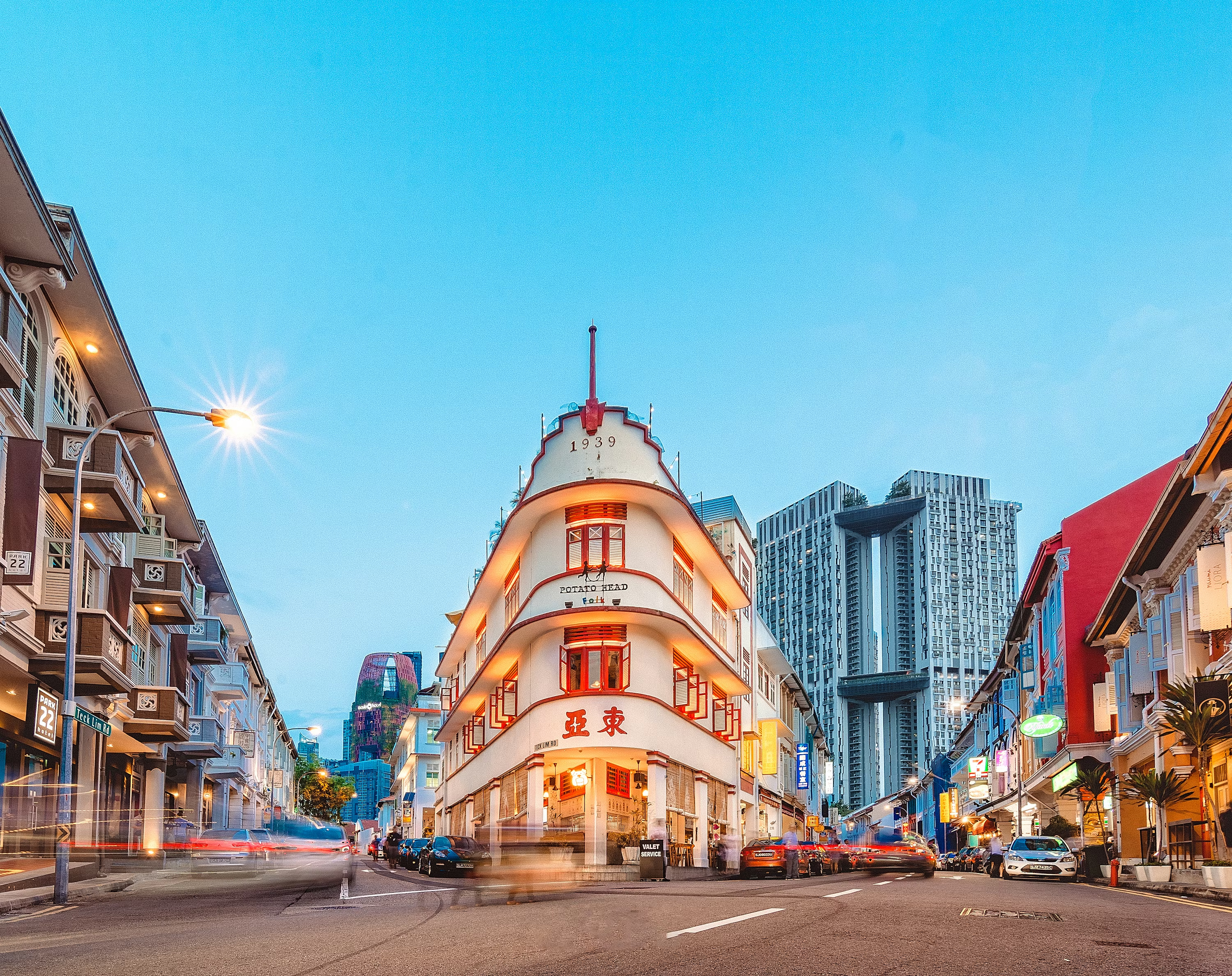
Tiong Bahru Singapore's first public housing estate, built in the 1930s in a distinctive Art Deco style, now one of the most desirable and interesting neighbourhoods in the city. Independent bookshops, excellent cafés, the Tiong Bahru Market — and a residential quietness that is rare in central Singapore. Come on a Saturday morning.

When to Go
Best season: February to April, when the northeast monsoon has ended and the southwest monsoon has not yet begun. The humidity is lower, the rain is less frequent, and the city is at its most comfortable for extended walking. Singapore is worth visiting year-round — the differences between seasons are less dramatic than in temperate climates.
Avoid: There is no truly bad time to visit Singapore, but November and December bring the northeast monsoon — frequent heavy rain, though usually brief. The city functions normally and the rain is warm — it is more inconvenience than impediment.
The insider timing: The hawker centres are best at breakfast — before 9am, when the queues at the best stalls are manageable and the food is at its freshest. Maxwell Food Centre, Lau Pa Sat, and the Old Airport Road Food Centre are all worth a dedicated early morning visit.
How to Move Through the City
Singapore's MRT is one of the finest metro systems in Asia — clean, frequent, air-conditioned, and comprehensive enough to reach every significant neighbourhood and attraction. An EZ-Link card handles all public transport and is purchased at any MRT station. The system is straightforward and the signage is excellent.
Walk within neighbourhoods — the distances between Chinatown, Little India, and Kampong Glam are manageable on foot in the early morning or evening. The city has invested significantly in covered pedestrian walkways that make walking practical even in the heat. Grab and Gojek (ride-hailing apps) are inexpensive and essential for reaching destinations not well served by the MRT.
Where to Stay
Chinatown / Tanjong Pagar — Central, walkable, and in the most historically layered part of the city. → https://www.booking.com/search.html?ss=Chinatown+Singapore
Kampong Glam — For character and proximity to Little India and the Arab Quarter. → https://www.booking.com/search.html?ss=Kampong+Glam+Singapore
Tiong Bahru — For the most interesting residential neighbourhood experience in Singapore. → https://www.booking.com/search.html?ss=Tiong+Bahru+Singapore
What to Do
Gardens by the Bay at Night — The Supertree Grove light show at 7:45pm and 8:45pm is one of the great free spectacles in Asia. The Cloud Forest and Flower Dome are extraordinary climate-controlled gardens worth the entrance fee. → https://www.getyourguide.com/singapore-l10/gardens-by-the-bay-ticket/
Maxwell Food Centre — Hawker Breakfast — Tian Tian Hainanese Chicken Rice, the famous wonton noodles, and the curry puffs from Old Chang Kee. Arrive before 9am. → https://www.getyourguide.com/singapore-l10/singapore-food-tour/
National Museum of Singapore — The finest introduction to Singapore's layered history — colonial, Japanese occupation, independence — in a beautiful neoclassical building. Undervisited and essential. → https://www.getyourguide.com/singapore-l10/national-museum-singapore-ticket/
Bumboat on the Singapore River — The river that built the city, from Boat Quay to Clarke Quay and beyond. A bumboat tour at dusk gives the best perspective on the relationship between old and new Singapore. → https://www.getyourguide.com/singapore-l10/singapore-river-cruise/