Tokyo
Where density and solitude coexist.
Tokyo is the most populous city on earth and, paradoxically, one of the quietest. Not in terms of decibels — the city has its own acoustic density, its own layers of sound — but in terms of social noise. Tokyo runs on radical mutual respect, which creates extraordinary pockets of silence and solitude within the crowd. The traveler who arrives expecting chaos and finds meticulous order, profound courtesy, and unexpected beauty is experiencing Tokyo correctly.
No travel guide can fully prepare you for Tokyo. The city is too large, too complex, and too layered with meaning to be reduced to a list of recommendations. What TravelScope can offer is a way of approaching it — slowly, attentively, and without the anxiety of completeness. Tokyo rewards the traveler who chooses depth over breadth, who spends three hours in a single neighbourhood instead of crossing the city to tick off districts.
The question to ask in Tokyo is not "what should I see?" but "what kind of city is this?" — and then to sit quietly somewhere and let the answer arrive. It will. Tokyo reveals itself to those patient enough to wait.
The Atmosphere
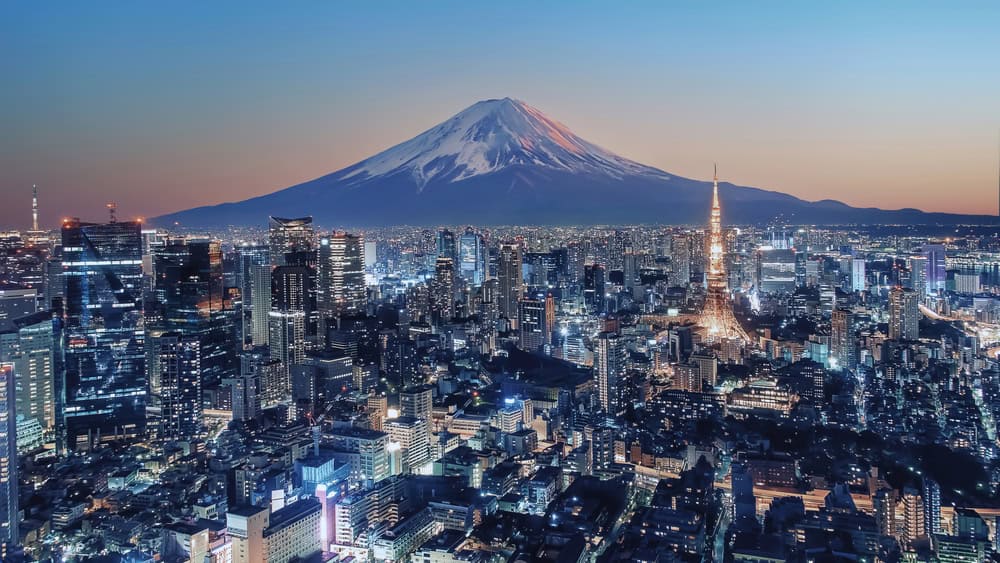
Tokyo's atmosphere defies every Western expectation of what a city of 14 million people should feel like. It is not aggressive or overwhelming — it is precise. Everything functions. Everything has a correct way of being done. The trains arrive to the second. The queues form spontaneously and dissolve without friction. The streets are clean in ways that shame every other major city on earth. This precision is not coldness — it is a form of profound respect for shared space.
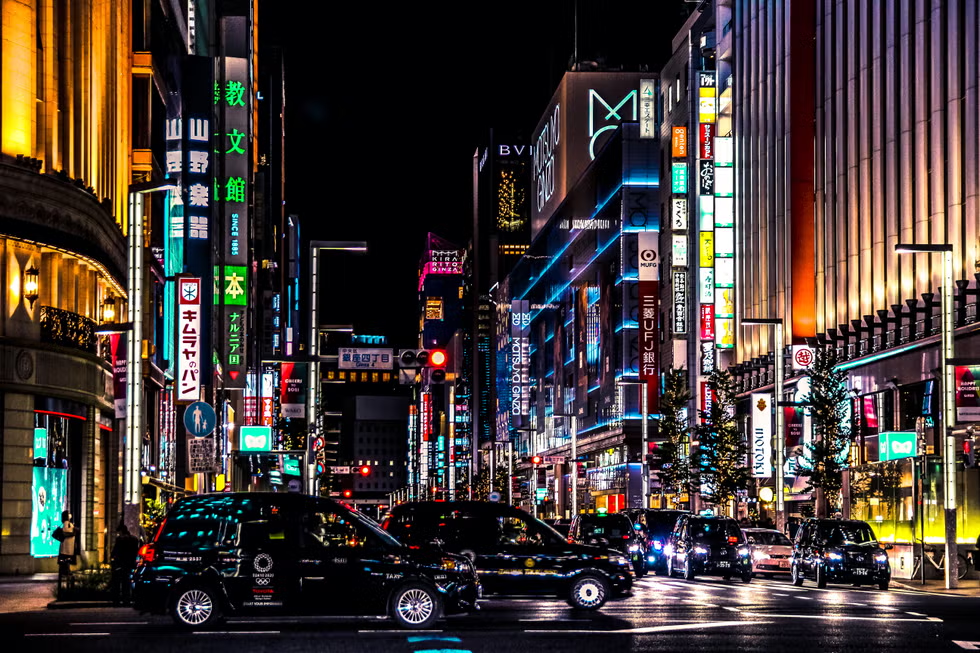
The light in Tokyo is urban and electric — the city never fully darkens, and the neon and LED of Shinjuku or Shibuya at night is one of the great visual experiences of the contemporary world. But there is another light in Tokyo — the morning light in the temple gardens, the filtered green of Yoyogi Park in summer, the particular quality of winter sun on the low wooden buildings of Yanaka. Both lights are real. Both are worth seeking.
Sound in Tokyo is its own education. The particular melody of the Yamanote Line doors closing. The recorded birdsong played in shopping streets to create calm. The silence inside a Shinto shrine three minutes from one of the busiest intersections on earth. Tokyo's soundscape is a composition of extraordinary complexity — learn to listen to it and the city opens in ways that no map can show.
The Neighbourhoods Worth Your Time
Yanaka The neighbourhood that survived the 1923 earthquake and the 1945 bombing and therefore looks like Tokyo once looked everywhere — narrow streets, wooden houses, independent shops, temples and graveyards integrated into daily life. The Yanaka Ginza shopping street is charming without being precious. Come on a weekday morning when it belongs to its residents.
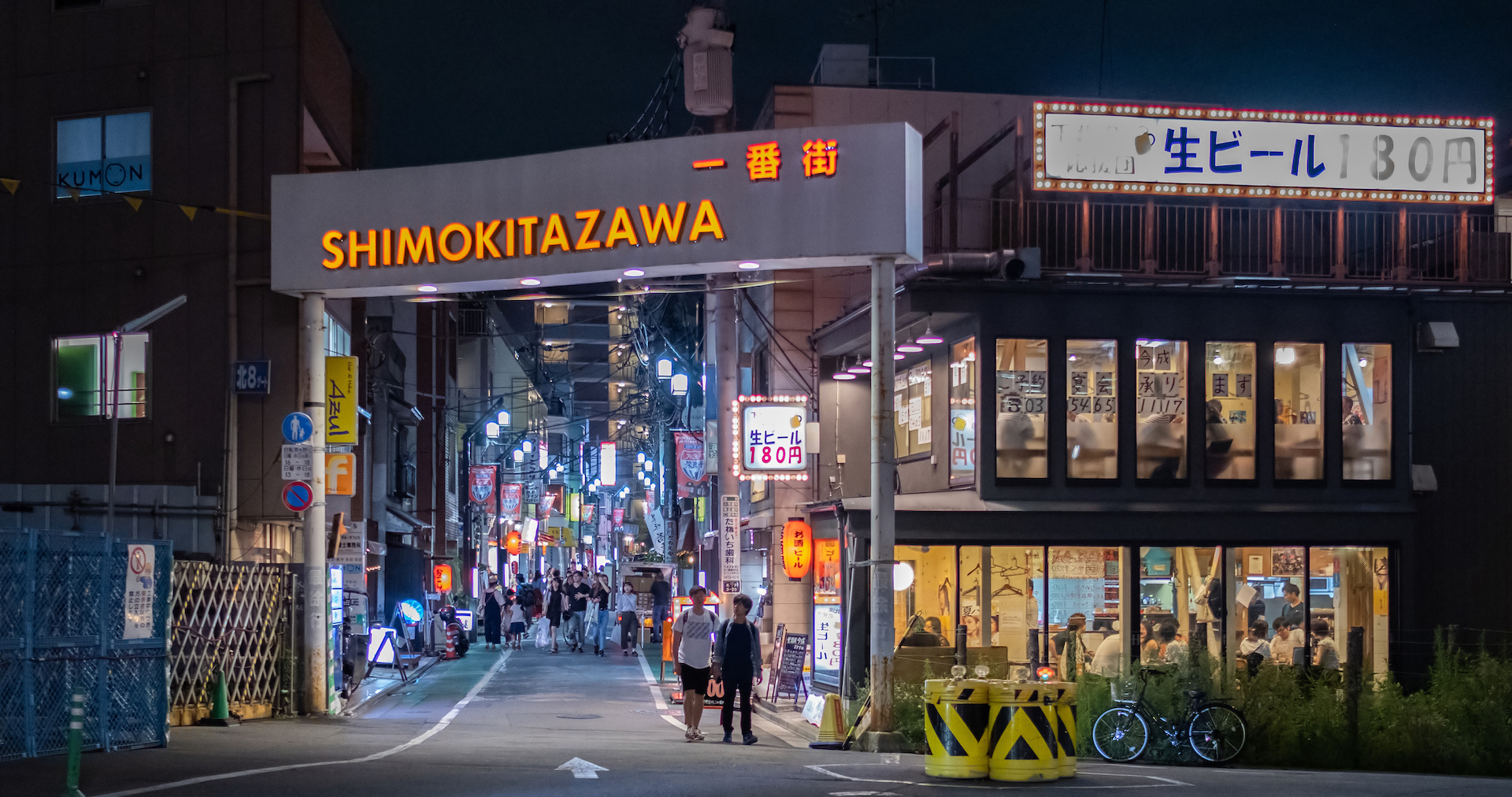
Shimokitazawa Tokyo's most creative neighbourhood — vintage clothing, live music venues, independent cafés, theatre spaces, and a density of young creative energy that produces the most interesting street culture in the city. Come in the afternoon and stay for the evening.
Nezu and Yanesen The area around Nezu Shrine and the Yanesen district — three old neighbourhoods that have retained their pre-war character. The Nezu Shrine itself, with its tunnel of torii gates, is less visited than Fushimi Inari in Kyoto and equally extraordinary. Come at dawn.
Koenji The alternative heart of Tokyo — punk record shops, second-hand bookstores, izakayas that have been open since the 1970s, and a neighbourhood culture of radical individuality that coexists peacefully with the surrounding city. The Koenji Awa Odori festival in late August is one of Tokyo's great street celebrations.
When to Go
Best season: March to April for cherry blossom — one of the great natural spectacles, and worth planning an entire trip around. October to November for autumn colours and comfortable temperatures. Both seasons offer Tokyo at its most photogenic and its most alive.
Avoid: July and August — Tokyo in summer is brutally hot and humid, with temperatures and humidity levels that make extended walking genuinely difficult. The city functions but the experience is compromised.
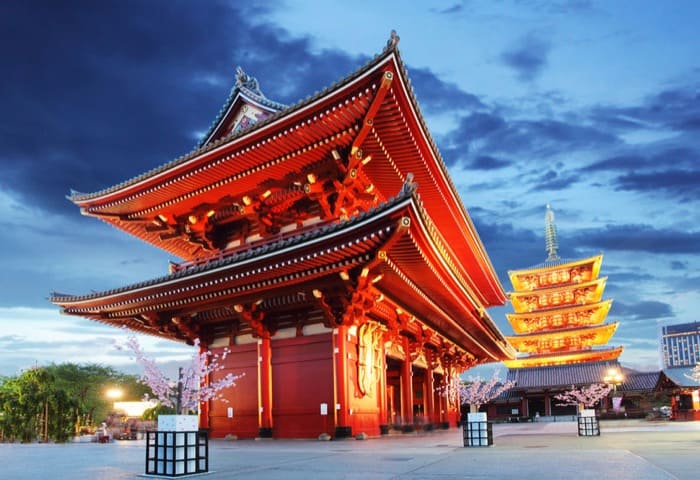
The insider timing: The Tsukiji Outer Market is best before 8am. The major shrines and temples — Senso-ji in Asakusa, Meiji Jingu in Harajuku — are transformed before 7am, when the tourist crowds have not yet arrived and the early morning rituals of the city are visible. Set the alarm.
How to Move Through the City
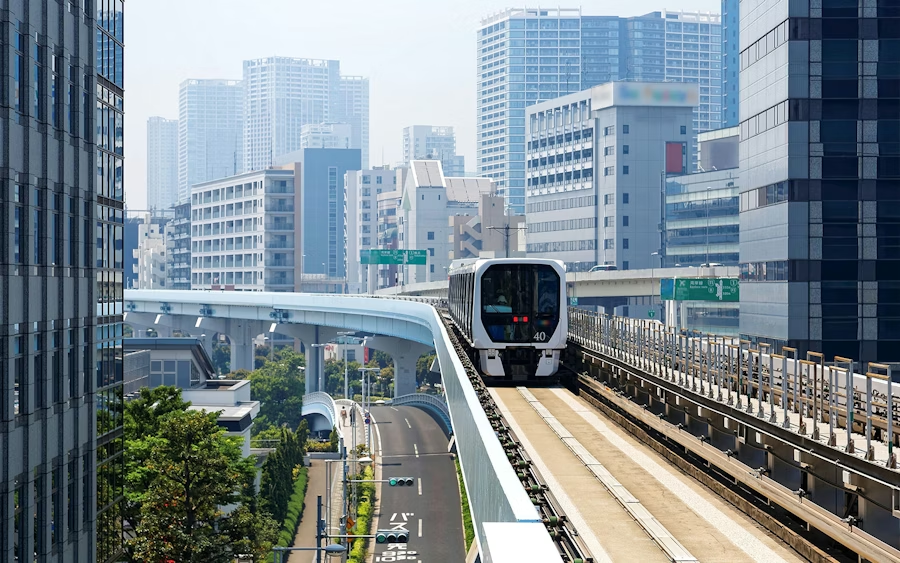
Tokyo's public transport system is the finest in the world — punctual, comprehensive, and logical once the initial complexity is overcome. An IC card (Suica or Pasmo) loaded with yen handles every train, subway, and bus in the city and can be purchased at any major station. The Yamanote Line — the loop that connects the major hubs — is the essential artery and the best introduction to the city's geography.
Walk within neighbourhoods rather than between them. The distances between Tokyo's districts are significant and the transport is fast — use the trains to move between areas and your feet to explore within them. The city's street-level detail — the vending machines, the tiny restaurants with eight seats, the perfectly maintained gardens tucked between buildings — is only visible at walking pace.
Where to Stay
Shinjuku — For transport connections, energy, and the full Tokyo experience. The best base for first-time visitors. → https://www.booking.com/search.html?ss=Shinjuku+Tokyo
Yanaka / Nezu — For a quieter, more historical Tokyo. Walking distance to some of the city's most interesting neighbourhoods. → https://www.booking.com/search.html?ss=Yanaka+Tokyo
Shimokitazawa — For creative energy and the most interesting neighbourhood life in the city. → https://www.booking.com/search.html?ss=Shimokitazawa+Tokyo
What to Do
Tsukiji Outer Market at Dawn — The inner market has moved to Toyosu but the outer market remains — the best sushi breakfast in the world, eaten standing at a counter before 8am. → https://www.getyourguide.com/tokyo-l193/tsukiji-market-tour/
Nezu Shrine at Sunrise — The tunnel of torii gates at dawn, before the crowds arrive, is one of the great quiet experiences in Tokyo. Combine with a walk through the Yanaka cemetery. → https://www.getyourguide.com/tokyo-l193/tokyo-temples-shrines-tour/
teamLab Borderless or Planets — The digital art collective's Tokyo installations are among the most extraordinary contemporary art experiences in the world. Book weeks in advance. → https://www.getyourguide.com/tokyo-l193/teamlab-borderless-ticket/
Shinjuku at Night — The Kabukicho entertainment district, the Golden Gai bar alley, and the view from the Tokyo Metropolitan Government Building observation deck (free) at night. An essential Tokyo evening. → https://www.getyourguide.com/tokyo-l193/shinjuku-night-tour/