Turks and Caicos
A quiet expression of Caribbean luxury, where still waters, endless horizons, and untouched nature redefine the idea of escape.
Turks and Caicos sits at the far end of the Caribbean spectrum — not the vibrant, chaotic, culturally layered Caribbean of Jamaica or Havana or Martinique, but something quieter, more elemental, and, in its own way, more demanding. This is a destination that asks nothing of you except presence. No monuments to visit, no cities to navigate, no cultural complexity to decode. Just water of a colour that seems invented, beaches of a whiteness that feels impossible, and a silence that arrives within hours of landing and stays until you leave.
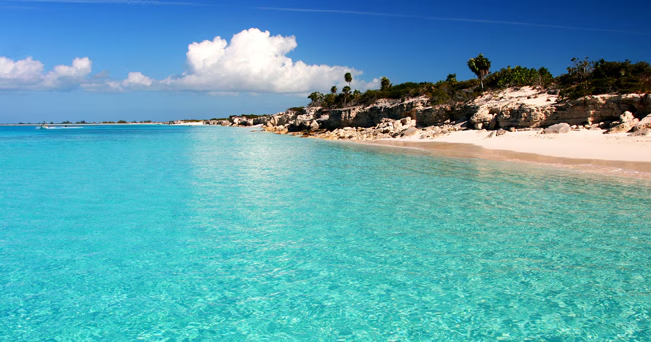
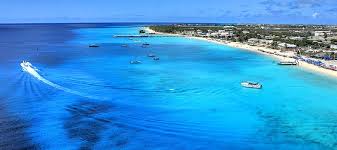
Turks and Caicos travel is luxury in its most honest form — not the luxury of service and spectacle, but the luxury of space, stillness, and natural beauty so extreme it renders everything else temporarily irrelevant. Grace Bay Beach, consistently ranked among the finest beaches on earth, is real — the photographs do not exaggerate. The water is that colour. The sand is that texture. The horizon is that uninterrupted. What the photographs cannot convey is the stillness that settles over the islands in the early morning and late afternoon, when the day-trippers have gone and the beach belongs to those patient enough to wait.
TravelScope approaches Turks and Caicos not as a beach destination but as a study in natural luxury — the luxury of a place that has not yet been fully consumed by the tourism it attracts, where the reef is still intact, where the conch is still abundant, and where the particular quality of Caribbean light on shallow water still produces moments of beauty that no amount of money can manufacture or improve.
The Atmosphere
Turks and Caicos operates on island time — a concept that visitors from more pressured environments find either deeply restorative or mildly frustrating, depending on their relationship with urgency. Things happen when they happen. The boat leaves when it leaves. The fish is fresh when the fisherman returns. This unhurriedness is not inefficiency — it is a different relationship with time, one that the islands' natural rhythms — tides, light, wind — have imposed on their inhabitants over generations.
The light in Turks and Caicos is the defining quality of the experience. The combination of white sand, shallow water, and the particular angle of Caribbean sun produces a light of extraordinary intensity and clarity — colours are more vivid, shadows are sharper, and the water takes on shades of turquoise, aquamarine, and cobalt that seem to belong to a painter's imagination rather than the natural world. This light changes through the day — softer and more golden in the early morning and late afternoon, intense and bleaching at midday — and the traveler who structures their beach time around it will experience the islands at their most extraordinary.
The silence of Turks and Caicos is its greatest luxury and its most unexpected gift. Grace Bay at 6am, before the hotels have fully woken and before the wind has picked up, is one of the quietest places in the Atlantic world — just the sound of small waves on sand and the occasional call of a seabird. This silence is worth setting an alarm for.
The Neighbourhoods Worth Your Time
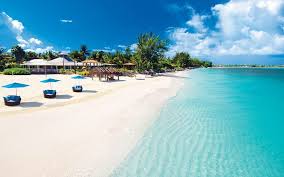
Grace Bay — Providenciales The centre of tourism in Turks and Caicos and the location of the beach that defines the archipelago. The resort strip along Grace Bay Road contains the majority of the islands' hotels, restaurants, and services — convenient, well-managed, and with direct access to the finest beach in the Caribbean. The beach itself is long enough — twelve kilometres — that it never feels truly crowded, even in peak season.
The Bight and Lower Bight The local neighbourhood behind the Grace Bay resort strip — where the Turks and Caicos Islanders who work in the tourism industry actually live, eat, and socialize. The fish fry on Friday nights at the Bight is the most authentic food and social experience on the island. Da Conch Shack, on the beach at the Bight, serves the finest cracked conch and conch salad in the islands.
Salt Cay The most remote and most beautiful of the inhabited islands — a tiny cay of 70 people, salt ponds, and nineteenth-century architecture that has barely changed since the salt industry that built it collapsed. Accessible by small plane or ferry from Grand Turk. The beaches are deserted, the snorkeling is extraordinary, and the pace of life is something that most of the world has forgotten was possible.
Grand Turk The capital island — smaller and less developed than Providenciales, with a colonial architecture of genuine charm, the Turks and Caicos National Museum, and the wall dive that drops from shallow reef to 2,000 metres of open ocean within swimming distance of the beach. The humpback whales pass through the channel between Grand Turk and Salt Cay between January and April — one of the great wildlife experiences in the Atlantic.
When to Go
Best season: December to April. The Turks and Caicos winter is warm, dry, and consistently magnificent — temperatures between 24 and 29 degrees, minimal rain, and the trade winds that keep the heat manageable and the sailing conditions ideal. This is peak season with peak prices — book well in advance.
Best value season: May to July. The hurricane season has not yet arrived in force, the prices drop significantly from their winter peaks, and the weather remains excellent. The water temperature reaches its warmest in August and September — extraordinary for swimming but these months carry the highest hurricane risk.
The insider timing: Grace Bay at dawn is the essential Turks and Caicos experience — set the alarm for 5:30am, walk to the beach before sunrise, and watch the light arrive over the Atlantic. The beach belongs entirely to you for the first hour. The snorkeling on the reef off Grace Bay is best in the morning before the afternoon wind picks up and reduces visibility.
How to Move Through the City
Providenciales is a driving island — the distances between Grace Bay, the airport, the Bight, and the western beaches require a car or taxi. Rental cars are available at the airport and from most hotels. Drive on the left — Turks and Caicos maintains the British convention. The roads are good and the traffic is minimal.
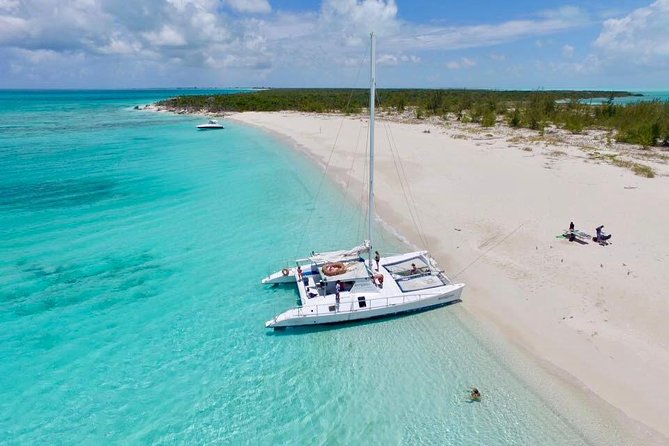
Water taxis and charter boats connect the main islands — the ferry to Grand Turk runs regularly, and charter boats to the uninhabited cays for snorkeling and diving are available through most hotels and tour operators. For Salt Cay, a small plane from Providenciales is the most practical option.
The resort strip of Grace Bay is walkable — the beach path runs the length of the bay and connects the major hotels without requiring a car.
Where to Stay
Grace Bay — For direct beach access and the full Turks and Caicos experience. → https://www.booking.com/search.html?ss=Grace+Bay+Turks+Caicos
The Bight — For a more local experience with easy access to the beach and the Friday fish fry. → https://www.booking.com/search.html?ss=The+Bight+Providenciales+Turks+Caicos
Grand Turk — For the capital island experience, the wall dive, and the whale watching season. → https://www.booking.com/search.html?ss=Grand+Turk+Turks+Caicos
What to Do
Grace Bay Snorkeling — Morning — The reef off Grace Bay contains some of the finest shallow water snorkeling in the Caribbean — brain coral, staghorn coral, sea turtles, and the extraordinary fish life of a reef that is still largely intact. Rent equipment from any beach operator and go in the first two hours of the morning. → https://www.getyourguide.com/providenciales-l3853/grace-bay-snorkeling-tour/
Humpback Whale Watching — January to April — The humpback migration through the Turks Island Passage is one of the great wildlife spectacles of the Atlantic. Small boat tours from Grand Turk give close encounters with animals that can reach fifteen metres in length. → https://www.getyourguide.com/grand-turk-l3853/whale-watching-tour/
Da Conch Shack — Lunch — The finest conch in the islands, served on the beach at the Bight. Cracked conch, conch fritters, conch salad — and the particular pleasure of eating with sand between your toes at a table that has been here since before Grace Bay was discovered by international tourism. → https://www.getyourguide.com/providenciales-l3853/turks-caicos-food-tour/
Uninhabited Cay Day Trip — Charter a boat to one of the uninhabited cays north of Providenciales — iguana-inhabited beaches, pristine snorkeling, and the particular silence of a place where no one lives. French Cay and West Caicos are the finest options. → https://www.getyourguide.com/providenciales-l3853/private-island-boat-tour/