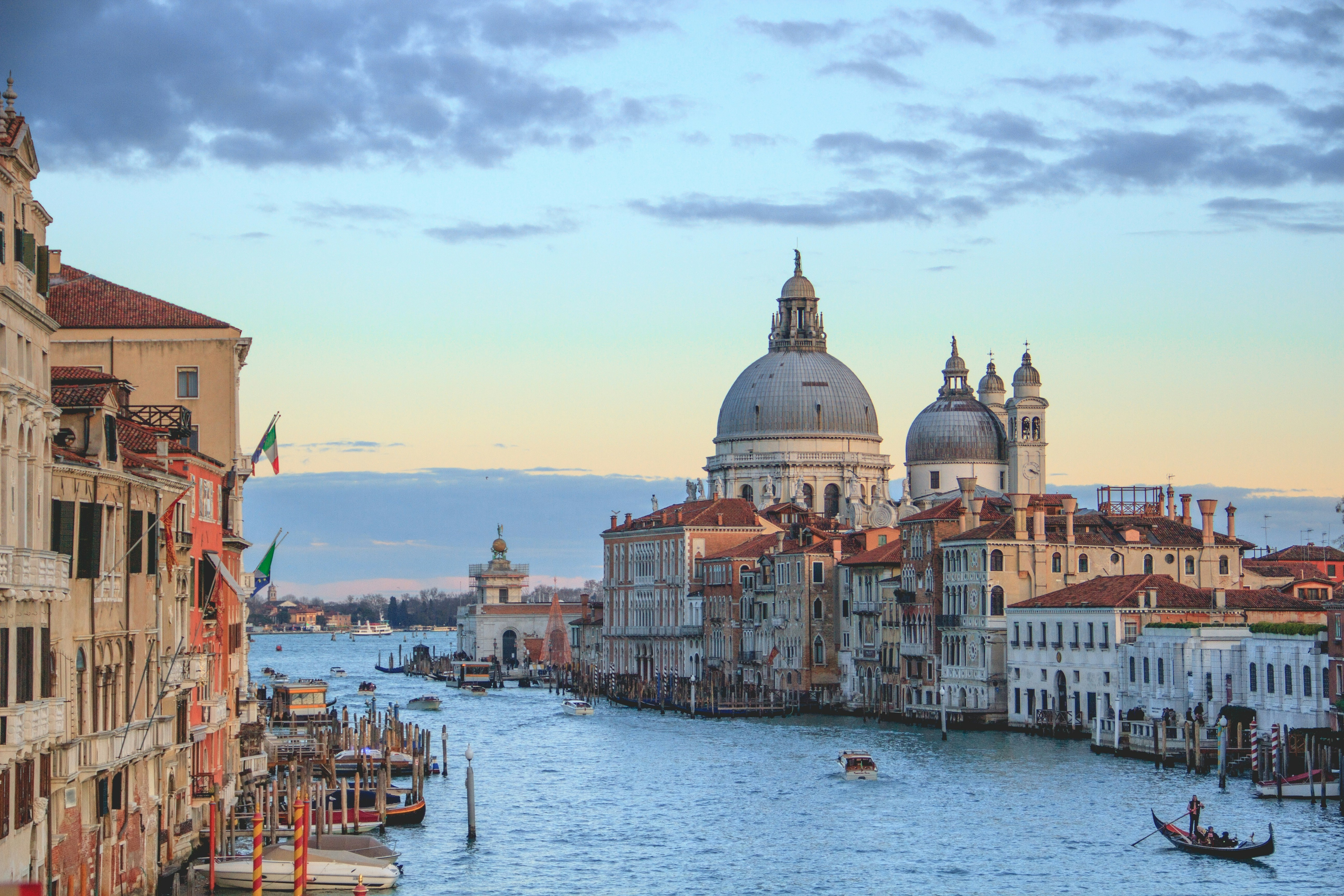
Venice
Cicchetti and Ombre: The Complete Guide to Venice's Bacaro Culture
February 26, 2026
The bacaro is not a bar. It is a Venetian institution — and the finest way to understand a city that has been feeding itself well for a thousand years.
The bacaro is Venice’s greatest contribution to the culture of eating and drinking, and it remains almost entirely unknown outside the city. Not the restaurants, not the trattorias, not the grand dining rooms of the historic hotels — the bacaro, the small wine bar that has been the social institution of Venetian daily life since the days of the Republic, is where Venice feeds and waters itself. It is where the city’s social life happens at street level, and where the visitor who finds their way in encounters a Venice that exists independently of the tourism that surrounds it.
The word bacaro most likely comes from Bacco — Bacchus, the god of wine — and the institution it describes is both simpler and more complex than the word suggests. A bacaro is a bar, yes, but it is also a kitchen, a social club, a news exchange, and a democratic space where the gondolier drinks alongside the architect, the accountant, and the tourist who was smart enough to follow the locals rather than the guidebook. The wine is local — Veneto whites, Friulian reds, the occasional prosecco — served in small glasses called ombre (shadows, from the practice of following the shadow of the Campanile to find the coolest place to drink). The food is cicchetti — small plates, one or two bites each, arranged on the counter and priced for grazing rather than sitting.
This is how Venice eats. This is what TravelScope recommends you do every evening of your stay.


The Rules of the Bacaro
Like Roman coffee culture, the bacaro has its rules — unwritten, unposted, and followed instinctively by everyone who uses the institution daily. Understanding them is not essential for the visitor, but following them produces a different and better experience.
Stand at the bar. The bacaro is not a restaurant and does not aspire to be one — there may be a few stools or a shelf along the wall, but the correct position is at the counter, glass in hand, cicchetti on a small plate beside you. Order an ombra — a small glass of wine — rather than a full measure. The point is to drink a little of several things rather than a lot of one thing, moving between bacari as the evening progresses in the Venetian practice called giro di ombre (tour of shadows). Point at the cicchetti you want rather than asking for a menu — the counter display is the menu, and the best pieces go quickly.
Pay as you go or at the end, depending on the bar — watch what the locals do. Leave when you are ready and move to the next bacaro. The entire evening should involve at least three different establishments and cost less than twenty euros including wine and food. This is not frugality — it is the correct form.
The Cicchetti: What to Order
The cicchetti of Venice are among the most varied and most delicious small plates in Italian food culture, drawing on the lagoon, the Adriatic, and the agricultural traditions of the Veneto in combinations that are specific to the city and unavailable in quite the same form anywhere else.
Baccalà mantecato is the essential cicchetto — salt cod (baccalà) whipped with olive oil, garlic, and parsley into a white cream of extraordinary richness, served on a round of grilled polenta or a slice of white bread. It is simultaneously the simplest and the most demanding cicchetto — the quality of the baccalà and the patience of the whipping determine everything. The best version in Venice is a matter of fierce local debate; the most reliable versions are at the bacari of Cannaregio and Dorsoduro rather than those near the Rialto tourist circuit.
Sarde in saor is the other essential — sardines fried and then marinated for twenty-four hours in a sweet-sour preparation of onions, white wine vinegar, raisins, and pine nuts that dates to the medieval Republic, when the need to preserve fish on long sea voyages produced this particular combination of sweet, sour, and rich. Eaten cold, at room temperature, with an ombra of Soave or Tocai, it is one of the great flavor experiences of Italian food.
Mozzarella in carrozza — fresh mozzarella encased in bread and fried until the outside is crisp and the inside molten — is the richest of the standard cicchetti and the most satisfying on a cold evening. Polpette — small meatballs, either fried or braised — are the most democratic, available everywhere and varying enormously in quality. Tramezzini — the soft white sandwich squares that are as Venetian as the gondola — filled with tuna, egg, artichoke, or prosciutto, are the cicchetto for those who want something more substantial.
The Best Bacari in Venice: Where to Go
The honest answer is that the best bacaro in Venice is the one nearest to where you are staying, assuming you are staying in a residential neighbourhood rather than the tourist circuit. The bacaro is a neighbourhood institution and the neighbourhood determines the clientele — which determines the quality and the authenticity of the experience.
That said, certain bacari have earned reputations through genuine quality that transcend their neighbourhood.
Vino Vero on the Fondamenta della Misericordia in Cannaregio is the most serious natural wine bar in Venice — a small space with an extraordinary selection of Italian and European natural wines, good cicchetti, and a clientele of Venetians who take their drinking seriously. Go on a weekday evening before 8pm for the best selection.
All'Arco near the Rialto Market is the most famous bacaro in Venice for good reason — the cicchetti are exceptional, the wine is well selected, and the morning hours (it opens at 8am for the market workers) offer the most authentic experience. Go at 10am on a Saturday when the market is at full capacity and the bacaro is serving the traders.
Osteria al Timon on the Fondamenta degli Ormesini in Cannaregio is one of the most beloved neighbourhood bacari in the city — a floating pontoon extension over the canal in summer, a warm interior in winter, and a regulars' atmosphere that accepts visitors with warmth if they approach correctly.
Cantina Do Mori near the Rialto, operating since 1462, claims to be the oldest bacaro in Venice. The claim is impossible to verify but the atmosphere is not — a narrow, dark interior hung with copper pots, serving the traditional cicchetti and a short list of wines to a clientele that has been coming here for generations.
The Giro di Ombre: How to Plan an Evening
The giro di ombre — the evening tour of bacari — is the correct way to experience Venice's food and drink culture, and it requires no planning beyond a general sense of direction and a willingness to follow the locals.
Start in Cannaregio, at Vino Vero or one of the bacari on the Fondamenta della Misericordia, between 6 and 7pm. Have one ombra and three or four cicchetti. Move toward the Rialto — the walk takes fifteen minutes and passes through some of the most beautiful back streets in Venice. Stop at All'Arco or Cantina Do Mori for a second ombra and more cicchetti. Continue into San Polo and Santa Croce, where the density of bacari is highest, and allow the evening to find its own conclusion. By 9pm you will have eaten well, drunk modestly, spent very little, and understood Venice in a way that no restaurant dinner could have produced.
The total cost of a well-executed giro di ombre — three bacari, three ombre, a substantial selection of cicchetti — should be between fifteen and twenty-five euros per person. This is Venice at its most democratic and its most honest.
The bacaro is not an experience to be added to your Venice itinerary. It is the itinerary — the thread that connects the neighbourhoods, the hours, and the conversations that make a city worth understanding.
📍 Explore Venice in depth — read the full TravelScope Venice Experience Guide → /experiences/venice-travel-guide
Stay in the TravelScope Circle
Get stories and new curated experiences — delivered to your inbox.