Rome
What Roman Coffee Culture Teaches You About Slowing Down
February 1, 2026
In Rome, coffee is not a drink. It is a ritual, a pause, and a philosophy of presence compressed into ninety seconds.
In Rome, coffee is not a drink. It is a ritual, a pause, and a philosophy of presence, compressed into ninety seconds at a marble counter. The Romans did not invent coffee — that distinction belongs to Ethiopia and Yemen, and the Ottoman Empire — but they perfected espresso. In doing so, they created something that goes far beyond caffeine. The Roman coffee bar is a social institution, a democratic space, and one of the finest examples of slow culture operating at high speed anywhere in the world.
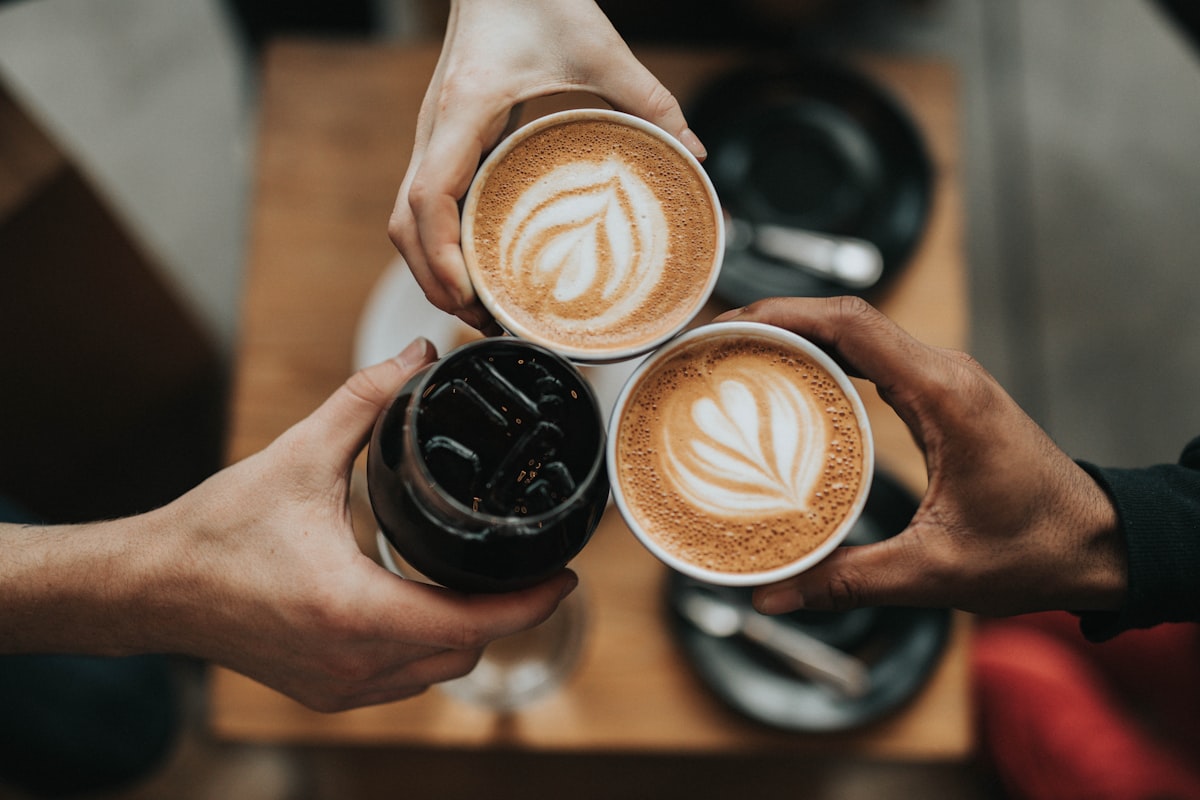
The traveler who learns to drink coffee the Roman way — standing at the bar, cup raised in both hands, finished in two or three sips, change left on the counter, a few words exchanged with the barista if the mood is right — learns something essential about the city. The coffee is the lesson: pleasure does not require time. It requires attention.
This is what Roman coffee culture teaches: how to be fully present for ninety seconds, how to find luxury in simplicity, and how to treat a small daily ritual as something worth doing well. It is, in miniature, the philosophy that TravelScope applies to travel itself.

The Rules of Roman Coffee
There are rules, and the Romans follow them without thinking because the rules have been internalized over generations. Understanding them is not essential for the visitor — the baristas of Rome are patient with foreigners — but following them produces a different experience from the tourist version, and a better one.
Stand at the bar. Sitting at a table costs more, sometimes significantly more, and involves a different relationship with the coffee — slower, more formal, less Roman. The bar is where the city drinks, and the bar is where you should drink. Order simply: un caffè means an espresso, the default, the correct choice in the morning. A cappuccino is acceptable before noon and considered eccentric after it. A caffè macchiato — espresso with a small amount of steamed milk — is the sophisticated compromise. A caffè lungo is a longer extraction, weaker, acceptable. A caffè corretto has a shot of grappa or sambuca in it and is mostly drunk by serious people before serious work.
Pay before or after depending on the bar — watch what the Romans do. Leave the change on the counter or tip the barista a few cents. Say grazie. Leave. The entire transaction should take less than three minutes. This is not rudeness — it is the form.
The Best Coffee Bars in Rome: Where to Go
The question of the best coffee in Rome is one that Romans will discuss with the seriousness that other cultures reserve for politics or sport. There is no consensus and there should not be — the neighbourhood bar, the one you walk to every morning in the same order, is always the best bar, regardless of what the guides say.
That said, some bars have earned their reputations through genuine quality rather than tourist traffic. Sant'Eustachio il Caffè, near the Pantheon, has been making what many consider the finest espresso in Rome since 1938 — they roast their own beans, guard their recipe with unusual secrecy, and serve the coffee pre-sweetened, which is either a revelation or an imposition depending on your relationship with sugar. Tazza d'Oro, also near the Pantheon, is its great rival and perhaps more interesting for the granita di caffè in summer — frozen coffee topped with cream, one of the finest things available in Rome in July. Roscioli Caffè, near the Campo de' Fiori, is the newer entry and the most interesting technically — single-origin beans, precise extraction, a seriousness about coffee that the older bars would consider excessive but that produces extraordinary results.
But the most honest advice is simpler: find a bar in your neighbourhood, one where the barista learns your order after two visits, and go there every morning. This is what the Romans do. This is what produces the experience worth having.
Coffee and the Rhythm of the Roman Day
Roman coffee culture is inseparable from the rhythm of the Roman day, which is built around pauses in a way that the northern European or American working day is not. The morning espresso at 8am is obligatory. The mid-morning caffè at around 10:30 — a pause in work, a conversation at the bar — is equally essential. Lunch is followed by another espresso, this one described by the Romans as digestivo despite the caffeine. The afternoon coffee, around 3-4pm, carries the day through to the evening aperitivo, which begins the transition from work to pleasure that the Romans manage more gracefully than anyone else.
These pauses are not inefficiency. They are the architecture of the day — structured breaks that make the periods of work more focused and the periods of pleasure more genuine. The traveler who adopts this rhythm — who stops for an espresso mid-morning instead of walking through it with a takeaway cup — is participating in one of the oldest and most refined urban cultures in Europe.
What Coffee Teaches You About Slow Travel
The espresso is a metaphor that TravelScope returns to often. It is intense, brief, and complete — the opposite of the long, diluted, ambient coffee of the north, which is consumed continuously rather than savored at a specific moment. The espresso demands your full attention for ninety seconds and then releases you. The lungo asks nothing of you for twenty minutes.
Slow travel is not long travel. It is not about spending more time in fewer places, though that is part of it. It is about the quality of attention brought to each moment — the willingness to stand at a bar counter in Rome and taste the coffee completely, without checking your phone, without planning the next activity, without half a mind somewhere else. The espresso teaches this. Rome teaches this. And the traveler who learns it here will find that the lesson applies everywhere.
Stand at the bar. Order simply. Pay attention. This is Rome's oldest and most exportable philosophy.
📍 Explore Rome in depth — read the full TravelScope Rome Experience Guide → /experiences/rome-travel-guide
Stay in the TravelScope Circle
Get stories and new curated experiences — delivered to your inbox.