Rome
Rome After the Tourists Leave: September in the Eternal City
March 1, 2026
When the crowds thin and the light changes, Rome reveals a version of itself that most visitors never see.
Rome in September is a different city than it is in July and August. The transformation is not dramatic. The monuments are the same, the piazzas unchanged, and the Tiber moves at its usual pace. But something essential shifts as the peak summer crowds thin and the light changes from the bleached white of high summer to the softer, amber tones of early autumn.
The city breathes differently in September. Residents return from the coast. Restaurants stop serving abbreviated tourist menus and return to the serious business of feeding people who care about what they eat. The streets of Trastevere at ten in the evening belong to Romans again, and being there feels entirely different.
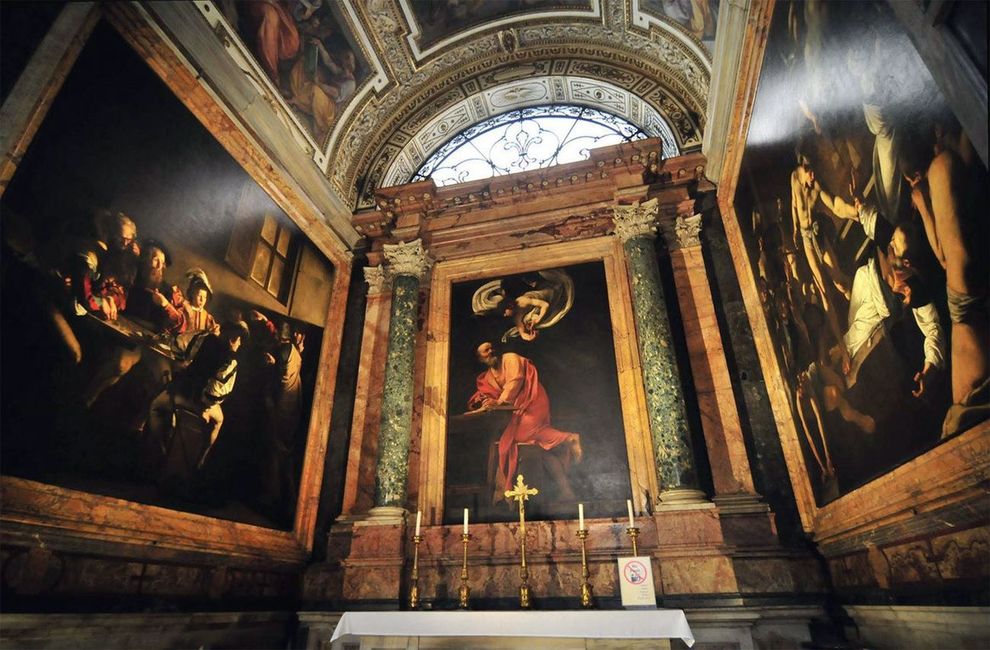
For the intentional traveler, visiting Rome in September is one of the best decisions in European travel. Temperatures, typically between 20 and 28 degrees, are ideal for the extended walking Rome demands. Queues at the Colosseum, the Vatican Museums, and the Borghese Gallery are shorter than they have been since March. The terraces of the restaurants in the centro storico are still full, but no longer impossible. And the light, the extraordinary Roman light that has sent painters reaching for their brushes since the Renaissance, takes on a quality in September it does not have in any other month: warm, golden, slightly melancholy, and more beautiful than it has any right to be.
This is not a guide to what to do in Rome in September. TravelScope does not believe in lists of things to do. This is a guide to what Rome in September feels like — and why that feeling is worth travelling for.


What Rome in September Actually Feels Like
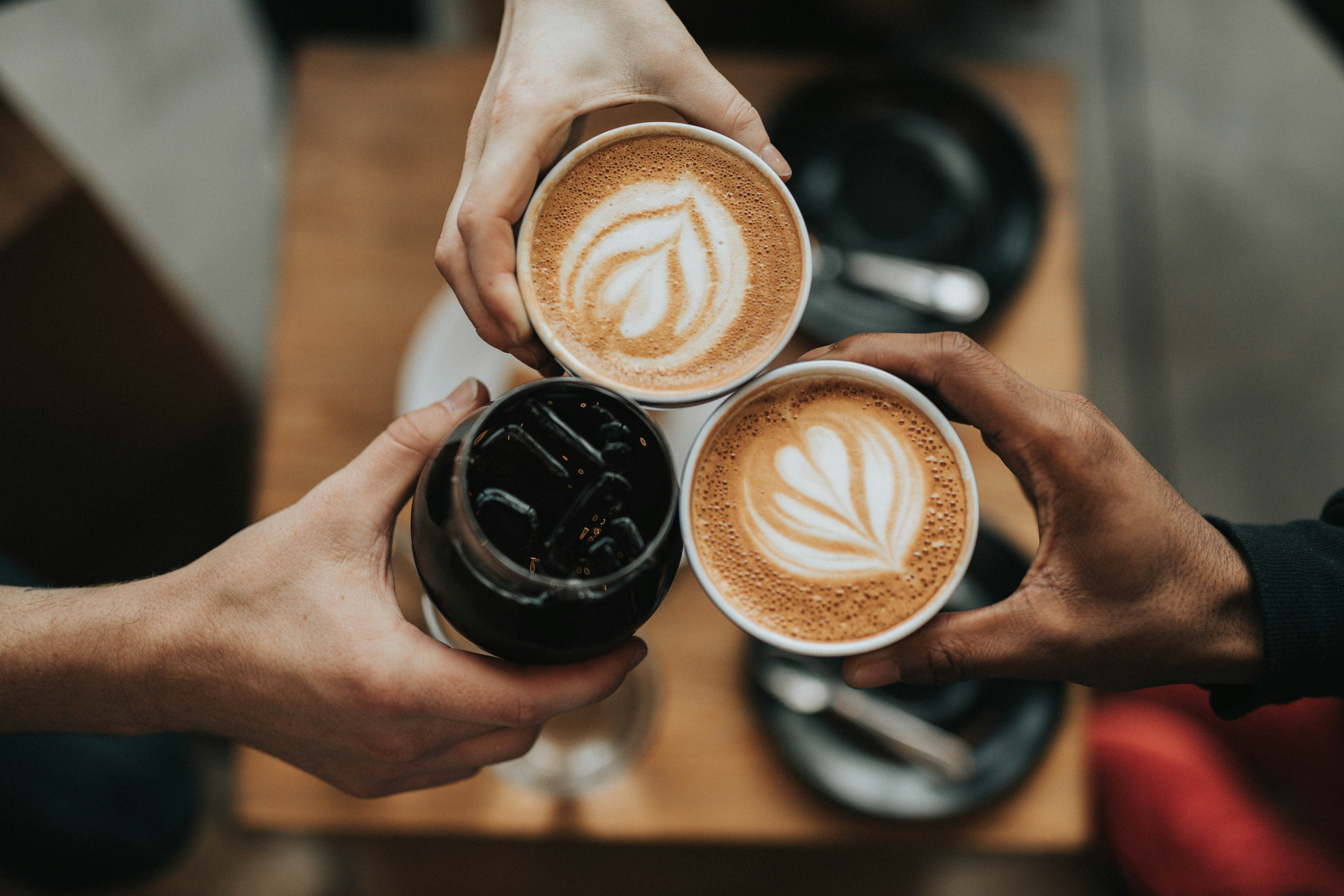
The first thing you notice visiting Rome in September is the return of the city to itself. August in Rome is a city running on reduced power — many of the best restaurants close for the month, the locals evacuate to the coast, and what remains is a version of Rome that exists primarily to serve the tourists who have replaced them. September ends this arrangement. By the second week of the month, the schools have reopened, the traffic has returned to its usual operatic chaos, and the morning bars are full of Romans drinking espresso with the focused efficiency of people who have places to be.
The September weather in Rome is warm without being punishing. The brutal heat of July and August — when temperatures regularly exceed 35 degrees and the cobblestones of the centro storico seem to radiate heat long after sunset — gives way in September to something more manageable. The days are still warm enough for outdoor dining and evening walks without a jacket. The nights are cooler, the air is clearer, and the particular quality of September light — lower in the sky than August, casting longer shadows and warming the terracotta facades of the buildings with a golden tone that photographers spend the entire month trying to capture — makes every hour spent outdoors feel like a gift.
The September Light: Why Photographers and Painters Have Always Known
There is a reason that the great painters who came to Rome — Turner, Corot, Eastlake — came in autumn rather than summer. The September light in Rome has a quality that the summer light does not — it is warmer, more directional, and arrives at an angle that makes the city's architecture look like it was designed specifically to receive it. The Colosseum in September afternoon light is a different building from the Colosseum at midday in August. The Campo de' Fiori in the golden hour before sunset on a September evening is a different piazza.
The practical consequence of this for the traveler is simple: be outside in the golden hours. The hour after dawn and the two hours before sunset are when Rome in September reveals itself most completely. The Vatican Museums at 9am on a September weekday, when the light through the Gallery of Maps creates something close to a religious experience. The Palatine Hill at 5pm, when the shadows lengthen across the Forum below and the city beyond turns amber. These are the moments that September in Rome provides and that no other month can replicate.
Where to Be in Rome in September
September is the month when the neighbourhoods that tourists rarely reach become most worth visiting. The summer crowds concentrate in the centro storico — the area bounded by the Pantheon, the Trevi Fountain, and the Piazza Navona — and September reduces those crowds enough that the neighbourhood becomes liveable again. But the more interesting September experience is in the areas that the summer tourists never really reached in the first place.
Pigneto, Rome's most creative neighbourhood, is at its best in September when the students return and the bars and cinemas reopen after the August closure. The outdoor cinema at the Nuovo Cinema Palazzo on Piazza dei Sanniti — part of the Estate Romana programme that runs through September — is one of the great Rome experiences: films under the stars in a working-class square that has been a community gathering point for decades. Testaccio, always the most honest of Rome's central neighbourhoods, is at its most alive in September when the market returns to full capacity and the restaurants begin serving the hearty Roman winter dishes that the summer heat made unthinkable.
What to Eat in Rome in September
September in Rome is the beginning of the serious eating season. The summer heat suppresses appetite and simplifies menus — salads, cold cuts, simple pasta. September brings the return of the dishes that define Roman cooking: cacio e pepe made with the first of the autumn pasta, supplì from the street food vendors who closed for August, and the beginning of the truffle season that will peak in October and November. The figs are at their best in early September — the second harvest, smaller and sweeter than the June crop, eaten from paper bags bought at the Testaccio market. The wine lists in the serious restaurants begin to change, the summer rosés giving way to the first of the autumn reds from the Castelli Romani hills that surround the city.
Eat at the Forno Campo de' Fiori in the morning — the pizza bianca, eaten warm from the paper, is one of the great simple pleasures in Rome at any time of year, but in September the early morning walk through the Campo to collect it has a quality of rightness that the summer heat removes. Eat at a trattoria in Testaccio for lunch — Da Remo for pizza, Flavio al Velavevodetto for the full Roman experience. Drink Frascati from the Castelli Romani hills in the evening — cold, slightly mineral, the wine that Romans have been drinking with their food for two thousand years.
The Practical September: What You Need to Know
Rome in September weather averages between 20 and 28 degrees during the day and drops to around 15 at night — bring a light layer for the evenings. Rain is possible but rarely sustained — September showers in Rome are brief and warm, and they pass quickly enough that they change the smell of the city rather than disrupting the day.
Book the Borghese Gallery and the Vatican Museums in advance regardless of the month — entry is limited and the early slots sell out weeks ahead. The Colosseum is less critical to book in September than in July, but booking remains worthwhile for the flexibility of the early morning entry. The Pantheon now charges admission — book online to avoid the queue.
September is also the month of the Romaeuropa Festival — one of the most important performing arts festivals in Italy, running from late September through November with theatre, dance, and contemporary performance in venues across the city. Check the programme before you arrive.
Rome in September does not need to be discovered. It needs to be returned to — slowly, without a checklist, in the particular light that only this month provides.
📍 Explore Rome in depth — read the full TravelScope Rome Experience Guide → /experiences/rome-travel-guide
Stay in the TravelScope Circle
Get stories and new curated experiences — delivered to your inbox.