Rome
A city built on centuries of intention.
Rome does not reveal itself all at once. It unfolds — slowly, deliberately, almost reluctantly — like a city that has seen enough visitors to know that only the patient ones deserve its secrets. You arrive expecting monuments and leave carrying something harder to name: the particular quality of light on travertine at six in the evening, the sound of a fountain you never found on any map, the weight of two thousand years pressing gently against the present.
This is not a city you visit. It is a city you inhabit, even briefly. Every street corner holds a layer of history that most guidebooks reduce to a date and a name. TravelScope approaches Rome differently — not as a checklist of sites, but as an atmosphere to be read, a rhythm to be followed, a place to be felt before it is understood.
Rome rewards those who resist the urge to see everything. The traveler who spends an entire morning in a single piazza, watching the light shift and the locals move, will understand Rome more deeply than the one who ticks off ten attractions before noon.
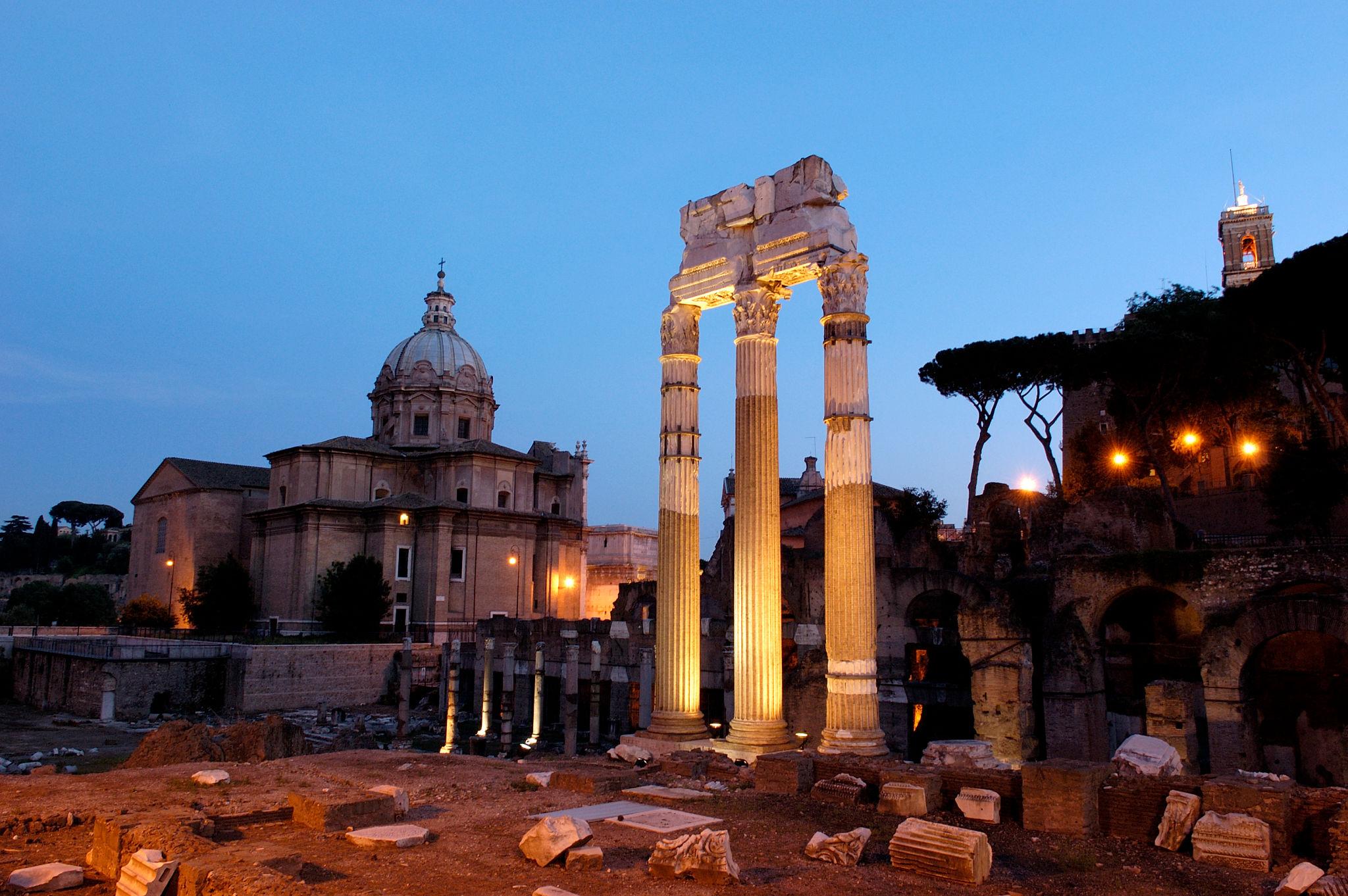
Rome is best explored slowly — read our guide to Rome in September for the ideal time to visit without the crowds.
The Atmosphere of Rome
Rome operates on its own time. The city moves slowly in the morning, erupts briefly at lunch, retreats into a quiet midday pause, and then reawakens in the late afternoon with a warmth and energy that lasts well into the night. This rhythm is not laziness — it is a philosophy, a way of being in the world that the city has refined over millennia.
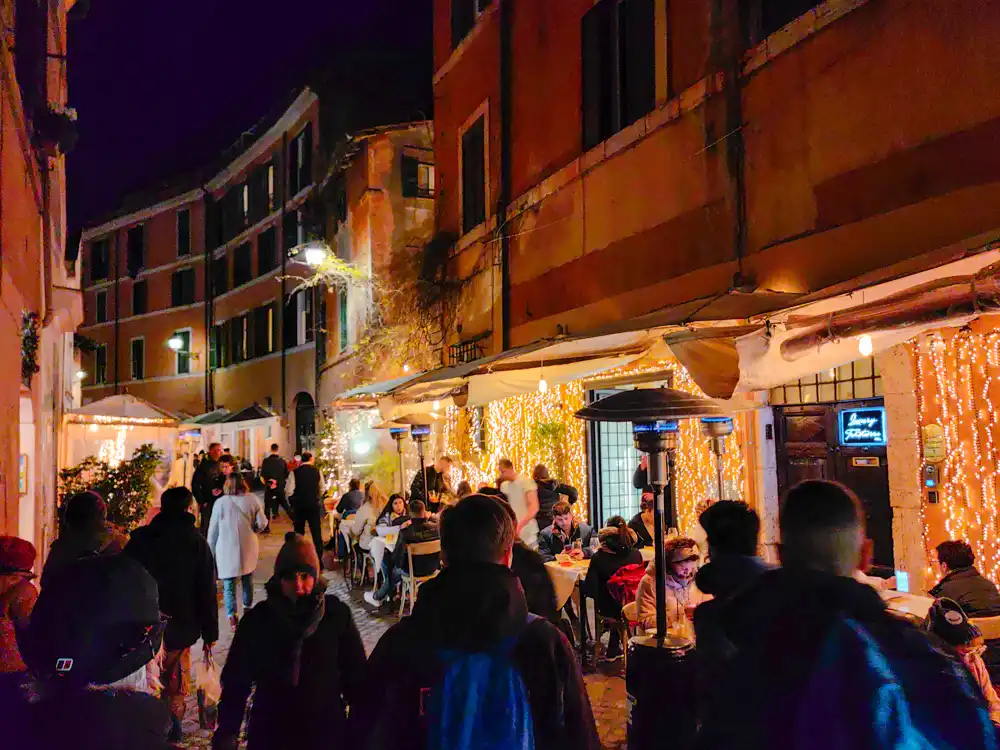
The light in Rome is unlike anywhere else in Europe. In the golden hour before sunset, the ochre and terracotta facades of the buildings seem to generate their own warmth, as if the city is remembering all the sunsets it has witnessed. This is the hour to walk without a destination — along the Tiber, through the back streets of Trastevere, or across any of the bridges that connect Rome's many worlds.
Sound is equally essential to the Roman atmosphere. The city is never silent, but its noise is layered — vespa engines, fountain water, cathedral bells, the percussion of espresso cups on marble bars. Learn to listen beneath the surface and you will find a quieter Rome, one that exists in courtyards and cloisters and early morning markets.
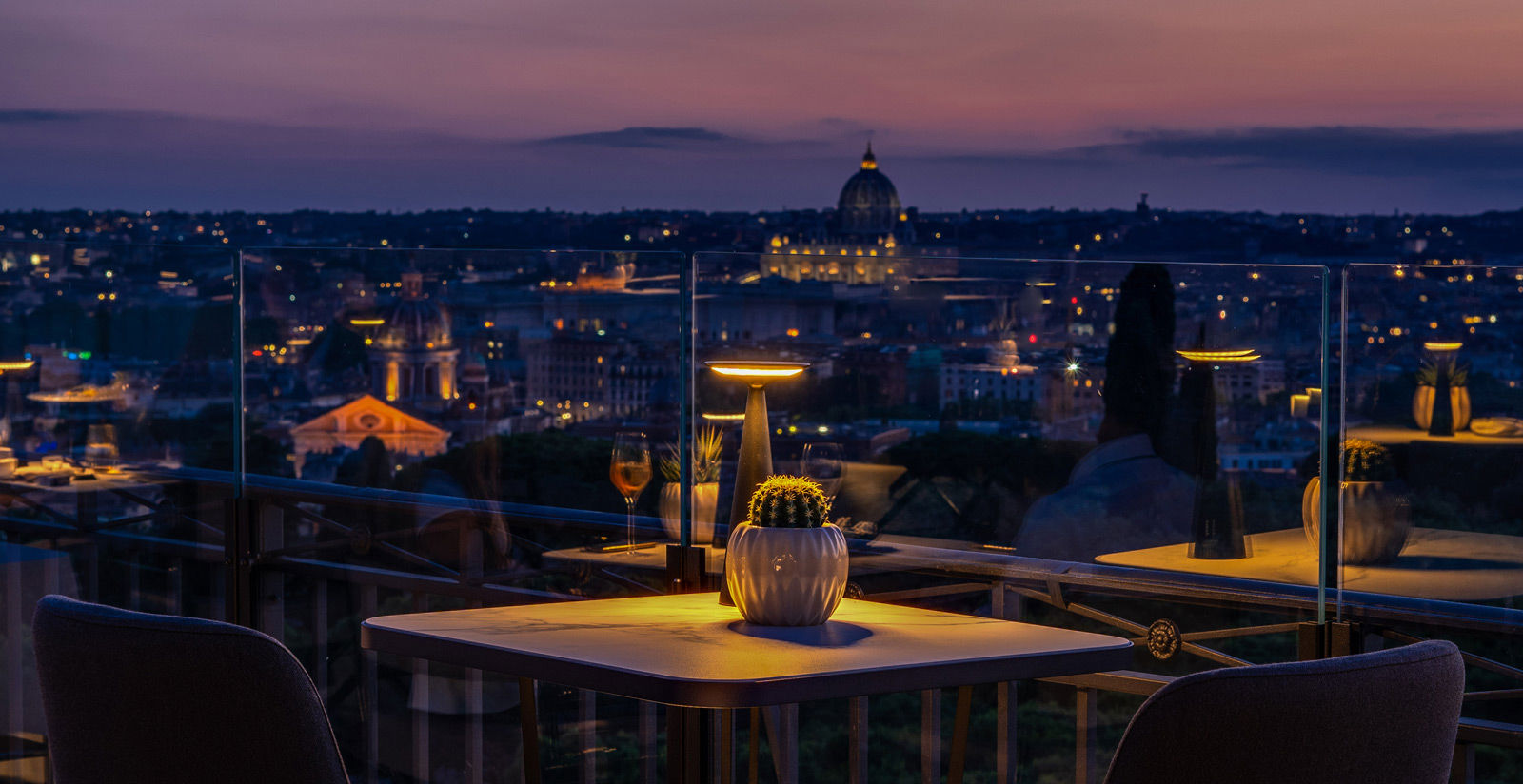
What Roman coffee culture teaches you about slowing down — worth reading before you arrive.
Best Neighbourhoods in Rome
Trastevere The most atmospheric neighbourhood in Rome, Trastevere rewards slow walking and unplanned evenings. Its narrow medieval streets, ivy-covered facades, and candlelit restaurants feel genuinely lived-in rather than staged for tourism. Come in the late afternoon when the light is amber and the locals emerge from their afternoon rest.
Prati Across the Tiber from the historic centre, Prati is where Romans live and shop. Wide boulevards, excellent coffee bars, and none of the tourist crowds. Stay here and you will feel closer to the real rhythm of the city. An ideal base for those who want Rome without the performance.
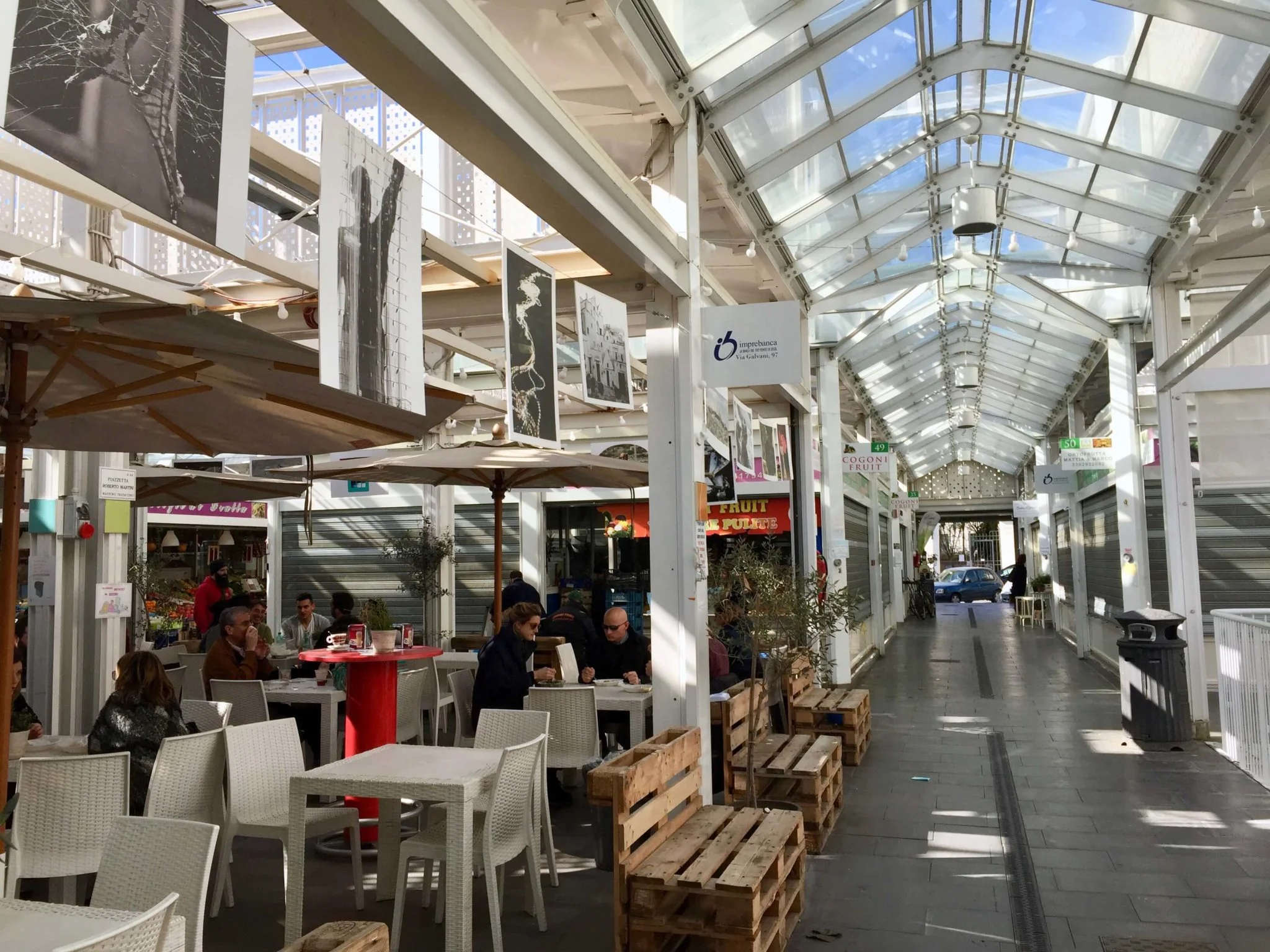
Testaccio The old working-class heart of Rome, now one of its most interesting food and cultural quarters. The Testaccio Market is essential — arrive before ten in the morning for the best produce and the most honest food stalls. The neighbourhood's energy is unpretentious and genuine.
Pigneto Rome's most creative neighbourhood, beloved by artists, filmmakers, and young Romans. Far from the tourist trail but worth the journey for an evening — the bars and trattorias here represent a Rome that is very much alive and evolving rather than preserved behind glass.
Best Time to Visit Rome
Best season: April to early June, and September to October. The light is extraordinary, the temperatures are comfortable for walking, and the city has not yet surrendered entirely to summer crowds. Spring brings wisteria and the smell of orange blossom. Autumn brings a softer, more contemplative Rome.
Avoid: July and August. Rome in high summer is hot, crowded, and operating at reduced capacity — many locals leave the city entirely. The experience is diminished by the volume of visitors and the weight of the heat.
The insider timing: Visit the major sites — the Colosseum, the Vatican Museums, the Borghese Gallery — in the first slot of the morning or the last of the day. Book in advance. The hours in between belong to the city itself: the piazzas, the coffee bars, the streets.
Getting Around Rome
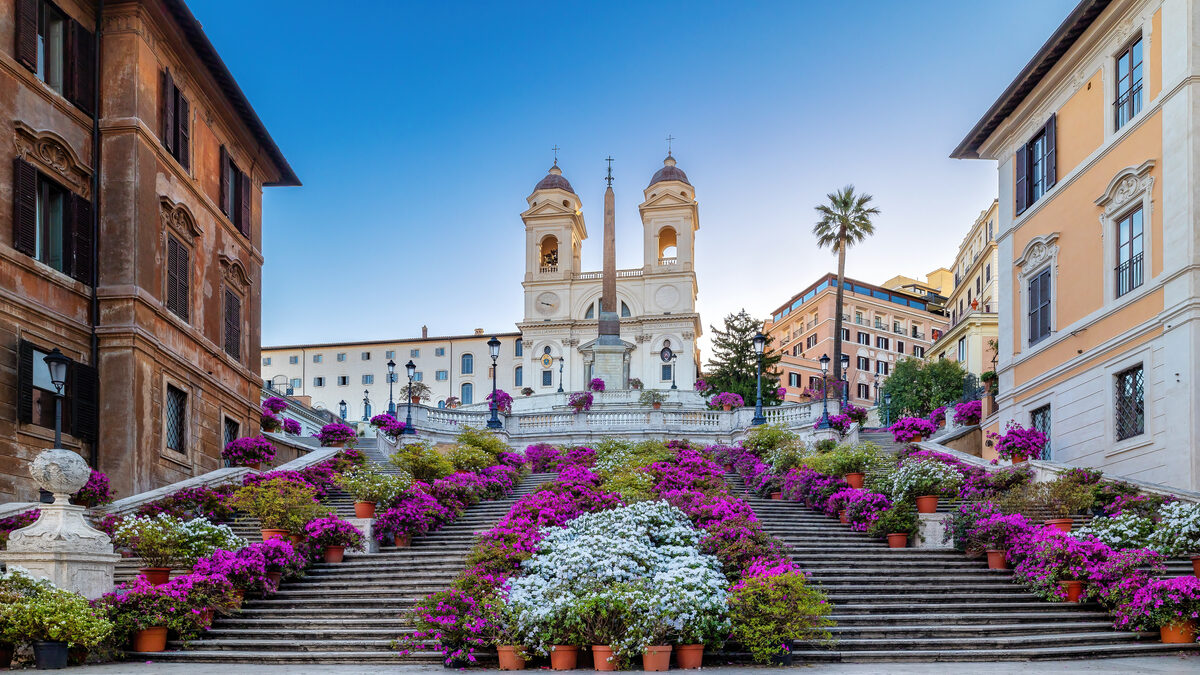
Rome is best understood on foot. The historic centre is compact enough to walk entirely, and many of its best discoveries — a hidden courtyard, a Caravaggio in a church you almost passed — are only accessible to those moving slowly enough to notice them. Wear comfortable shoes. This is non-negotiable.
For longer distances, Rome's tram and metro system is adequate but limited. Taxis and ride-sharing apps work well and are reasonably priced by European standards. Avoid driving in the historic centre — it is restricted, confusing, and unnecessary. The city does not reward the car; it rewards the pedestrian.
Where to Stay in Rome
Trastevere — For atmosphere and authenticity. Walking distance to everything that matters, and a genuine neighbourhood feeling after dark. → https://www.booking.com/search.html?ss=Trastevere+Rome
Prati — For comfort and value. Quieter than the centre, excellent transport links, and a more local experience. → https://www.booking.com/search.html?ss=Prati+Rome
Historic Centre — For proximity. If being steps from the Pantheon matters more than neighbourhood character, the centro storico delivers. → https://www.booking.com/search.html?ss=Historic+Centre+Rome
Best Things to Do in Rome
Early Morning Vatican Museums — Before the crowds arrive, the Sistine Chapel is a different experience entirely. Book the first entry slot. → https://www.getyourguide.com/rome-l33/vatican-museums-sistine-chapel-t1668/
Borghese Gallery — Entry is strictly limited by timed ticket, which means the experience is always intimate. One of the great art encounters in Europe. → https://www.getyourguide.com/rome-l33/borghese-gallery-t2345/
Testaccio Food Tour — The best way to understand Roman food culture is through the neighbourhood that invented it. → https://www.getyourguide.com/rome-l33/testaccio-food-tour/
Colosseum at Dusk — The late afternoon light on the Colosseum is extraordinary. Evening tours exist and are worth every euro. → https://www.getyourguide.com/rome-l33/colosseum-evening-tour/
For a more contemplative morning, follow The Caravaggio Trail through seven Roman churches — one of the most rewarding walks in the city.
Read More
Take Rome Further
Rome, Slowly is a curated city guide built for travellers who want more than a checklist — 5 neighbourhoods mapped by vibe, hidden gems, where to eat like a local, a 3-day itinerary, and a private Google Maps with every place saved and ready.