Paris
Paris in October: Why Autumn Is the Only Season That Matters
February 12, 2026
October gives Paris back to itself — and to the traveler patient enough to arrive after the summer has ended.
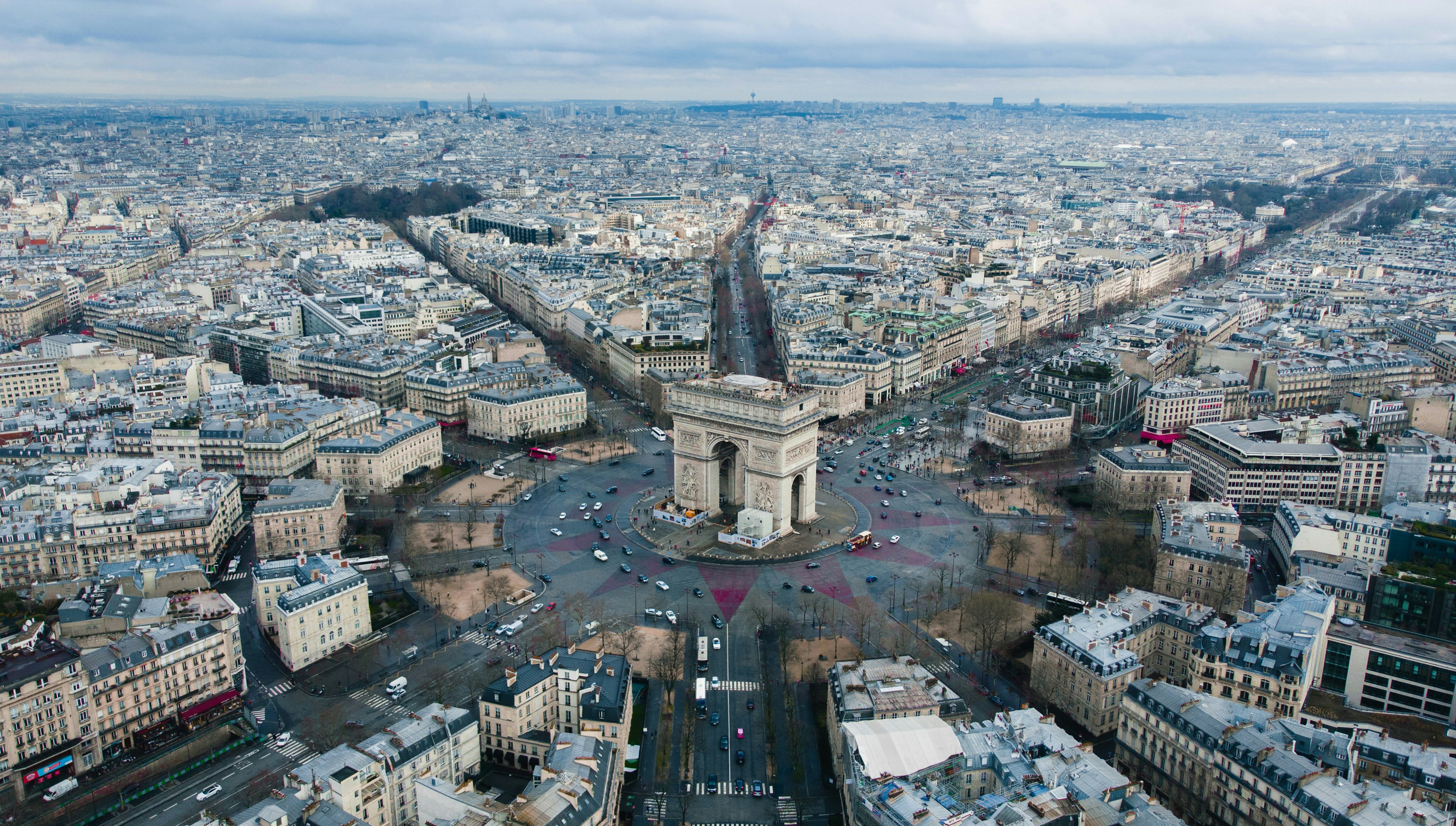
Paris in October is the city at its most itself. The summer tourists have gone — not entirely, never entirely, but enough that the city's essential character returns in ways that July and August suppress. Cafés return to their primary purpose, serving the neighbourhood rather than the passing crowd. Restaurants shift to their autumn menus — the first truffles, the game, the mushrooms from the forests east of the city — and the cooking becomes serious again in the way only a change of season permits. The light moves from summer's bleached brightness to something lower, warmer, and more golden, making the limestone facades of Haussmann's buildings glow in the late afternoon with a quality painters have been chasing since the Impressionists first noticed it.
Visiting Paris in October is one of the best decisions in European travel, and it is available to anyone willing to book a flight in the shoulder season rather than at the peak. Hotels are cheaper. Queues at the Louvre and the Musée d'Orsay are shorter. The streets belong more fully to the city's residents. And the particular quality of October light in Paris — golden, horizontal, arriving at an angle that transforms the ordinary into something extraordinary — is available only in this month and the one that follows it.
TravelScope approaches Paris in October not as a consolation for missing the summer but as the superior choice — the version of the city that those who know it best prefer, and that first-time visitors consistently describe as the experience that made them understand why Paris has been considered the most beautiful city in the world for three centuries.


What Paris in October Actually Feels Like
The first thing you notice in October Paris is the chestnuts. The horse chestnut trees that line the grands boulevards and fill the city's parks begin to turn in late September and reach their peak in mid-October — the leaves moving from green to gold to amber to the deep red-brown that covers the pavements of the Luxembourg Gardens and the Tuileries in a carpet that Parisians walk through with the particular pleasure of people who have been waiting for this since August. The smell of roasting chestnuts from the street vendors who appear throughout the city in October is one of the great seasonal smells of European urban life — sweet, smoky, and entirely specific to this moment in this city.
The October weather in Paris is variable in the way that all autumn weather is variable, but the variability itself is part of the experience. Clear mornings of extraordinary quality — the light on the Seine at 8am on a clear October day is something that no photograph fully captures — alternate with grey afternoons that drive the city indoors to its cafés and restaurants and museums. Both conditions are worth experiencing. The grey Paris of a rainy October afternoon, with the lights of the cafés reflected in the wet pavements and the umbrellas moving along the Rue de Rivoli, is as beautiful as the golden Paris of a clear October morning. Different, but equally beautiful.
The cultural season is in full swing in October. The theatres, the concert halls, the opera houses — all of which operate at reduced capacity or close entirely in August — have been running for a month and are producing their best work. The major museum exhibitions tend to be at their strongest in autumn, when the summer blockbusters have ended and the more considered programming of the season proper begins. Check the calendars of the Philharmonie, the Opéra Bastille, and the major galleries before you arrive.
The October Light: Why Painters Have Always Known
The October light in Paris is the light that the Impressionists painted and that Atget photographed and that every serious photographer who has spent time in the city returns to in autumn. It is not the light of summer, which is bright and democratic, illuminating everything equally. It is a directional light, arriving at a low angle from the south-west in the late afternoon, that picks out the details of the city's architecture with a precision and warmth that the summer light cannot achieve.
The golden hour in Paris in October lasts longer than at any other time of year — the sun sets earlier and moves more slowly through the golden angles, extending the period of extraordinary light from approximately 4pm to sunset at around 6:30pm. This two-and-a-half-hour window is the most valuable time of the October day for the traveler who wants to see Paris at its finest. Walk the Pont des Arts at 5pm. Walk the Quai de la Tournelle with Notre-Dame behind you at 4:30pm. Walk the Palais Royal gardens at any point in the golden hour and you will understand why this city has been considered the most beautiful in the world for as long as it has.
Where to Go in October Paris
October is the month when the Paris that exists beyond the tourist circuit becomes most worth visiting. The summer crowds have thinned enough that the major sites — the Louvre, the Eiffel Tower, the Sacré-Cœur — can be experienced without the queue management that July demands, but the more interesting October experience is in the parts of the city that the summer tourists rarely reached.
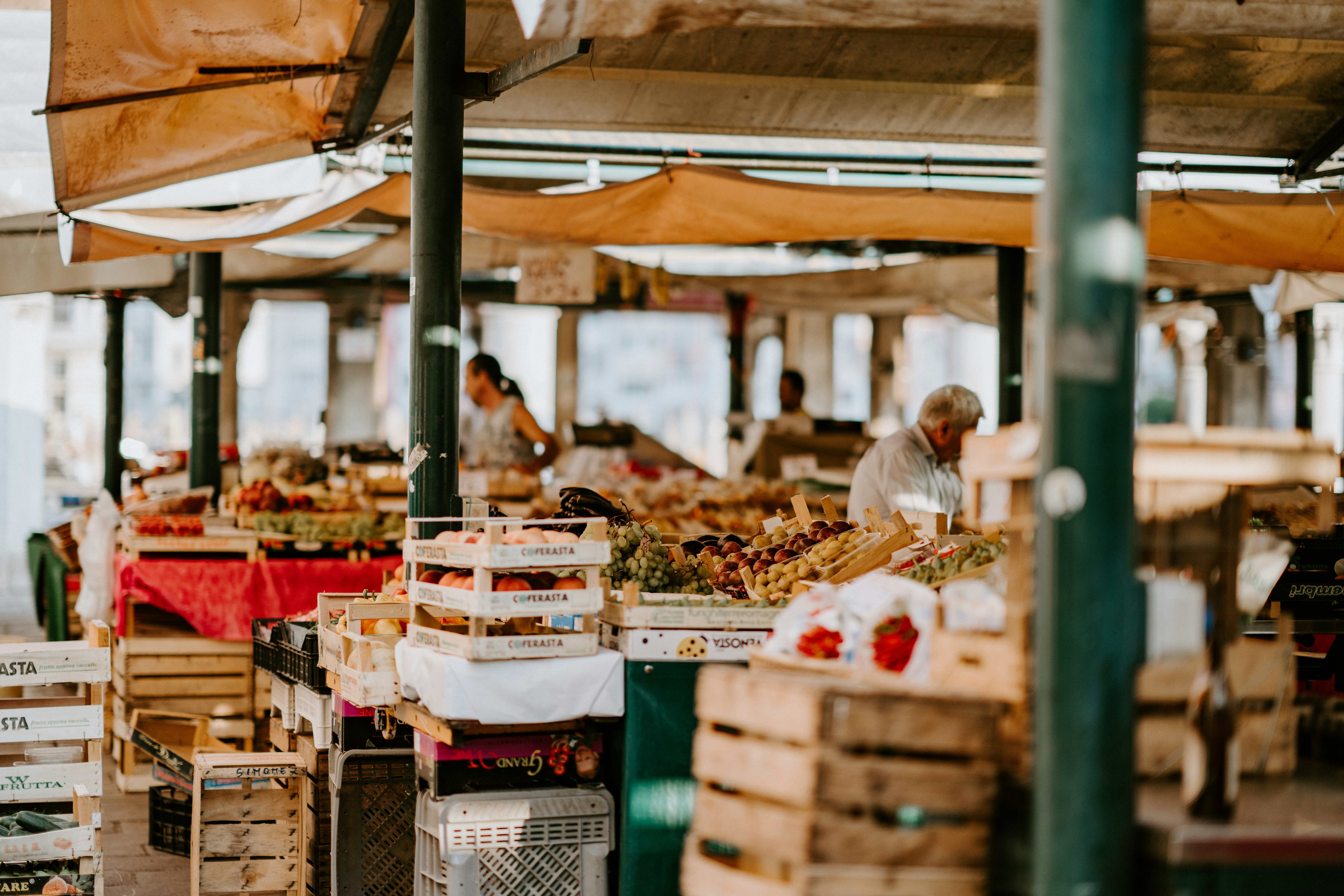
The Marais in October is the finest version of the neighbourhood — the galleries have reopened after August, the restaurants are serving their autumn menus, and the Saturday morning market on the Marché des Enfants Rouges is at its most varied and most delicious. Père Lachaise cemetery in October — when the leaves of the trees that grow between the graves are turning — is one of the most beautiful outdoor spaces in Paris, and the combination of the autumn colour and the extraordinary concentration of the famous dead produces an atmosphere that is unique in European travel.
Montmartre in October, before the Christmas tourists arrive, retains something of its village character — the streets behind the Sacré-Cœur quiet in the early morning, the view over Paris in the October light extraordinary, the Place du Tertre before the portrait artists set up a genuinely peaceful space. Come at 7am on a clear October morning and you will have the hill almost entirely to yourself.
What to Eat in October Paris
October is the month when Paris eating becomes most serious. The autumn menu is not a concept in Paris — it is a reality, driven by the seasonal ingredients that arrive in October with a specificity and quality that makes the summer produce seem like a rehearsal.
The cèpes — the porcini mushrooms that come from the forests of the Périgord and the Dordogne — arrive in October and appear on every serious menu in the city, roasted, in omelettes, in risottos, as accompaniments to the game that is also in season. The truffles of Périgord begin to appear in late October — not yet at their December peak, but enough to justify the supplement on menus that will not always be honest about what you are getting. The game — partridge, pheasant, wild duck, venison — appears on the menus of the bistros and brasseries that take their cooking seriously, prepared in the slow-cooked preparations that the autumn cold justifies and the summer heat does not.
Eat at a bistro with a handwritten menu — the sign of a kitchen cooking what arrived from the market that morning. The Marais, the 11th arrondissement, and the streets around the Rue du Faubourg Saint-Antoine have the highest concentration of honest bistros per square metre in Paris. Book two days in advance. Order the seasonal menu rather than à la carte. Drink the house Burgundy.
The Practical October: What You Need to Know
Paris in October weather requires layers — mornings can be cool (10-12 degrees), afternoons warm (17-20 degrees on clear days), and evenings cold enough for a proper coat. The rain is possible on any day but rarely sustained — an umbrella is worth carrying rather than essential. The daylight shortens noticeably through the month — sunset moves from 7:30pm at the beginning of October to 6:30pm by the end, which compresses the golden hour but also makes the evening city more dramatic.
Book the Musée d'Orsay and the Louvre in advance but do not obsess over timing — October queues are a fraction of the summer queues and the first morning slot, while still the best, is not the only viable option. The Sainte-Chapelle, the most beautiful interior in Paris, is less crowded in October than at any other time and more beautiful — the light through the stained glass on a clear October afternoon is extraordinary.
Paris in October does not need to be justified. It simply needs to be experienced — in the golden hour, in the bistro, in the Luxembourg Gardens under the falling chestnuts. This is the city at its most itself.
📍 Explore Paris in depth — read the full TravelScope Paris Experience Guide → /experiences/paris-travel-guide
Stay in the TravelScope Circle
Get stories and new curated experiences — delivered to your inbox.