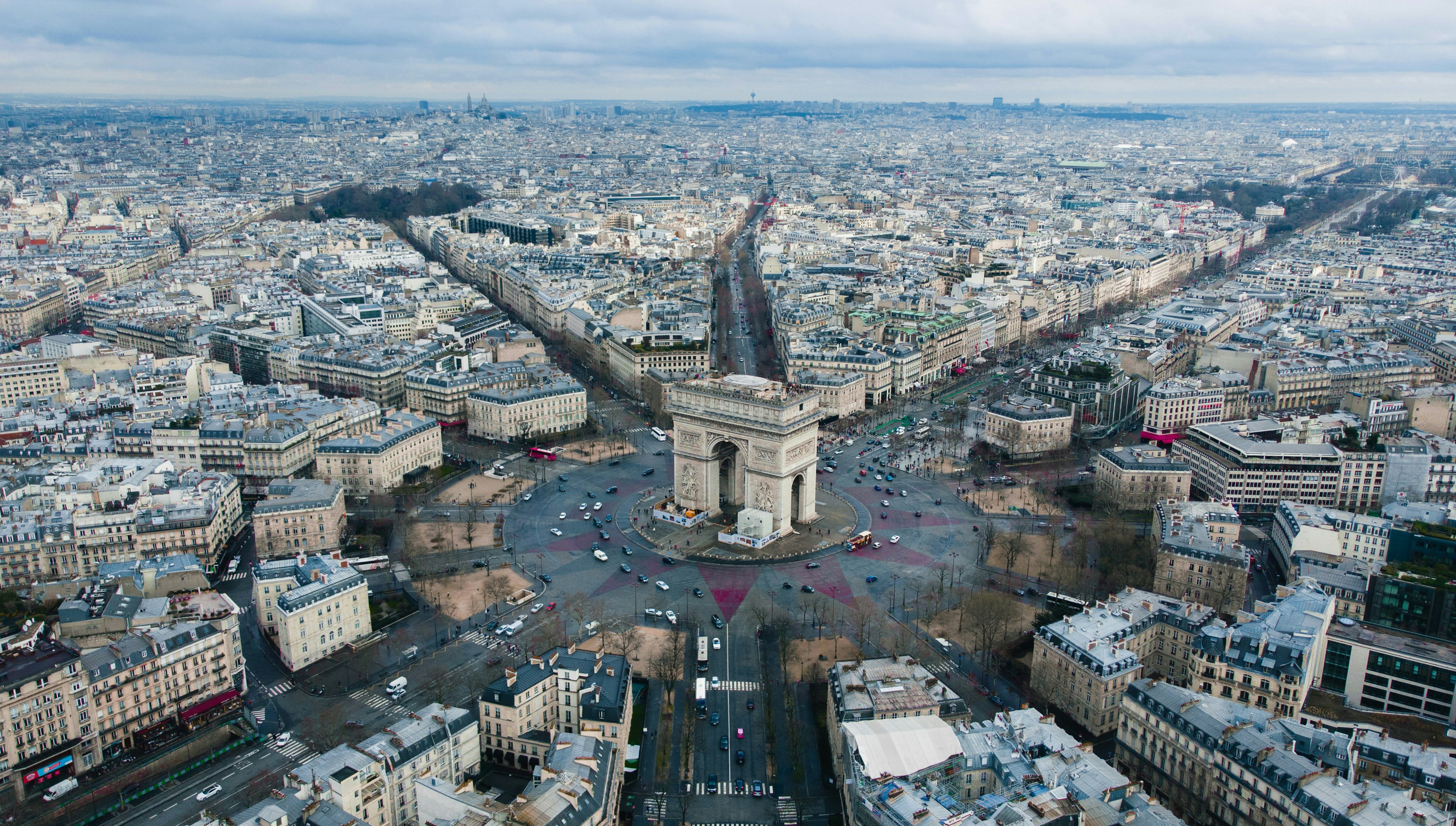
Paris
Marché d'Aligre: What Paris's Best Food Market Teaches You About French Culture
March 18, 2026
The market that Parisians keep to themselves — and the one that tells you more about the city than any museum.
The Marché d'Aligre is the market Parisians keep to themselves. Not deliberately — it is open to anyone who finds their way to the 12th arrondissement on a Tuesday through Sunday morning — but because of its location, its character, and its refusal to perform for visitors the way the city's more famous markets have learned to do. The Marché d'Aligre is not on the tourist circuit. It is not mentioned in the same breath as the Marché Raspail or the Marché d'Anvers. It does not have a celebrity chef attached to it or a food writer devoted to it in a Sunday supplement. It simply operates, as it has since 1779, for the people who live nearby and the people who care enough about food to seek it out.
The market occupies two adjacent spaces on the Place d'Aligre: an indoor covered market called the Marché Beauvau, where permanent vendors sell cheese, charcuterie, fish, and meat with the focused seriousness of people who have been doing this for decades, and an outdoor market that fills the square with fruit, vegetables, bread, plus the flea market of secondhand goods that gives Aligre its particular bohemian character. The combination — extraordinary produce alongside old books, vintage clothing, and the general accumulation of Parisian domestic life — creates an atmosphere unlike any other market in the city.
This guide is about what happens when you spend a Saturday morning at the Marché d'Aligre, and why that morning will tell you more about Paris than any museum.


The Market Before 9am
The Marché d'Aligre on a Saturday morning before 9am belongs to a specific cast of characters: the professionals who arrive first — the chefs and the serious home cooks who know that the best produce goes to the earliest arrivals — and the neighbourhood residents who have been coming here for years and know which vendors to trust for what. At this hour the market is at its most alive and its most honest. The vendors are setting up, the coffee from the bar on the corner of the Place d'Aligre is being drunk standing at the counter, and the particular energy of a market in its first hour — purposeful, slightly urgent, entirely unselfconscious — is available before the late morning crowd transforms it into something more leisurely.
Arrive by 8am if you want the full experience. Walk the outdoor market first — the fruit and vegetable vendors who set up along the Rue d'Aligre and into the Place are at their best in the first hour, before the morning sun begins to affect the most delicate produce. The quality varies significantly between vendors and the regulars know exactly which stalls to trust — watch where the neighbourhood residents buy rather than where the visitors stop, and you will spend your money better.
The flea market element of the Aligre — the bric-a-brac stalls that fill the outer edges of the square with old books, vintage clothing, kitchenware, prints, and the general contents of Parisian apartments — operates at the same hours as the food market and deserves an hour of its own. The quality of the secondhand goods is variable but the prices are genuine rather than tourist-adjusted, and the experience of browsing through a Parisian flea market that exists for the neighbourhood rather than for visitors is entirely different from the Marché aux Puces at Saint-Ouen.
The Marché Beauvau: The Indoor Market
The covered market — the Marché Beauvau — is the permanent heart of the Aligre and the part that rewards the most serious attention. The vendors here have been operating for years, in some cases for generations, and the quality of what they sell reflects the commitment of people who have staked their professional reputation on a single product category.
The cheese vendor in the centre of the Beauvau — one of the finest affineurs in Paris — operates with the confidence of someone who knows that what they are selling is exceptional and does not need to advertise the fact. The selection is smaller than the grands fromagers of the 6th arrondissement but the quality is at the same level and the prices are significantly lower. Ask for a recommendation based on what you are planning to eat that evening and you will receive advice of genuine expertise.
The charcuterie vendor carries a selection of cured meats — saucisson sec, pâté de campagne, rillettes, jambon sec — that represents the French charcuterie tradition at its most honest. Buy 200 grams of saucisson and eat it with the bread from the boulangerie on the corner of the Rue Théophile Roussel — this is the correct Aligre breakfast and it costs less than four euros.
The fish vendor operates with the focused intensity of someone dealing in a perishable product of extraordinary value — the fish at the Aligre comes from the same suppliers as the fish in the restaurants of the 6th arrondissement and costs a fraction of what those restaurants charge. If you have access to a kitchen, buy the fish here.
The Bar du Marché: Where the Market Drinks
Every serious Parisian market has a bar — a place where the vendors drink coffee between customers and where the regular shoppers stop to rest and refuel and exchange the information about what is good this week that constitutes the informal intelligence network of the market. At the Aligre, this function is performed by the bar at the corner of the Place — a zinc-countered, espresso-smelling, chronically crowded space that opens at 7am and serves the market until it closes.
Drink your coffee standing at the counter rather than sitting at a table — the counter is where the market people drink, and the conversation that happens there, between the vendors and the regulars and the occasional stranger who has found their way here, is part of the experience. Order a café or a café crème. Eat a croissant if you have not already eaten at the market. Leave a tip.
The bar is also where you will encounter the particular social democracy of the Parisian market — the architect beside the taxi driver beside the retired schoolteacher beside the young chef who works at a restaurant you have probably heard of, all drinking the same coffee from the same machine, all connected by the shared commitment to buying good food and starting the morning correctly. This is what the market teaches about French culture: that food is not a class marker but a common language, and that the quality of what you eat is a matter of attention rather than money.
What the Aligre Teaches About Paris
The Marché d'Aligre teaches several things about Paris that the museums and the monuments cannot. It teaches that the city's relationship with food is not a tourist construct — that the care with which Parisians source, prepare, and consume food is a genuine cultural value rather than a performance for visitors. It teaches that the city's famous gastronomy is not confined to the grand restaurants of the 8th arrondissement but exists at every level of the food chain, from the three-star kitchen to the market stall to the kitchen of the apartment above the boulangerie. And it teaches that the best Paris experiences are not in the places that the city advertises but in the places that the city uses — the market, the bar, the boulangerie at 7:30am, the cheese vendor who knows your preferences before you ask.
The traveler who spends a Saturday morning at the Marché d'Aligre has spent a morning in Paris rather than a morning in a tourist's idea of Paris. The distinction is everything.
The Marché d'Aligre is not a destination. It is a practice — the practice of buying good food from people who care about it, in a city that has been doing exactly this for longer than most countries have existed.
📍 Explore Paris in depth — read the full TravelScope Paris Experience Guide → /experiences/paris-travel-guide
Stay in the TravelScope Circle
Get stories and new curated experiences — delivered to your inbox.