Paris
Where time softens and the city reveals itself slowly.
Paris does not need to be discovered — it needs to be rediscovered. The city that the world thinks it knows, through a century of films and photographs and romantic mythology, is both exactly as imagined and entirely different from expectation. The Eiffel Tower is real. The light is real. The cafés are real. But the Paris that matters — the one that changes you — exists in the gaps between the postcard moments, in the hours before the tourists arrive and after they leave.
To travel Paris intentionally is to resist the pull of the obvious. It is to spend a morning in a single arrondissement rather than crossing the city to tick off monuments. It is to sit in a café long enough to understand why the French treat coffee as a philosophical practice rather than a caffeine delivery system. It is to walk without a destination and trust that Paris will provide.
TravelScope approaches Paris not as a checklist of iconic sites but as a city of light — literally and metaphorically. The quality of light in Paris is extraordinary, and it changes the city hour by hour, season by season. This guide is designed to help you read that light, and through it, to understand one of the great cities of the world.
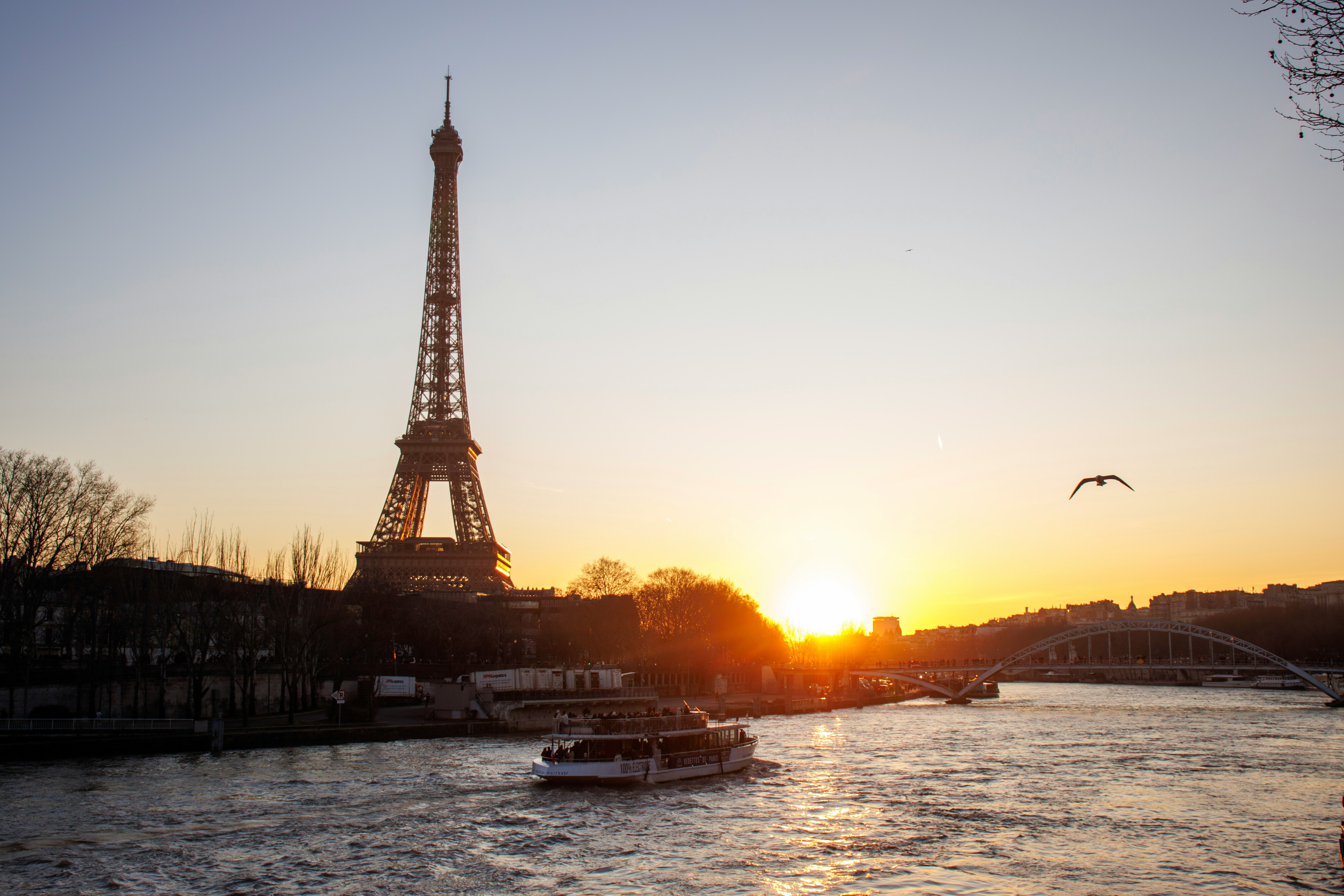
The Atmosphere of Paris
Paris operates on a frequency of beautiful seriousness. The French take pleasure seriously — food, conversation, aesthetics, the arrangement of a café table — and this seriousness of pleasure creates an atmosphere unlike any other city in Europe. There is nothing casual about Parisian life. Everything is considered. Everything has a correct way of being done. And once you stop resisting this and begin to inhabit it, Paris becomes extraordinary.
The light in Paris is the city's defining quality. It is softer than Italian light, more diffuse, filtered through the particular latitude and the Haussmannian architecture that channels it down the wide boulevards in ways that photographers and painters have been chasing for two centuries. In autumn, when the chestnuts turn and the light goes golden in the late afternoon, Paris is as beautiful as anywhere on earth.
The rhythm of Paris is shaped by food. The city organizes its day around meals in a way that is increasingly rare — lunch is still an event, dinner begins late, and the hours between are governed by coffee and conversation. Adopt this rhythm and you will understand Paris from the inside rather than observing it from the outside.
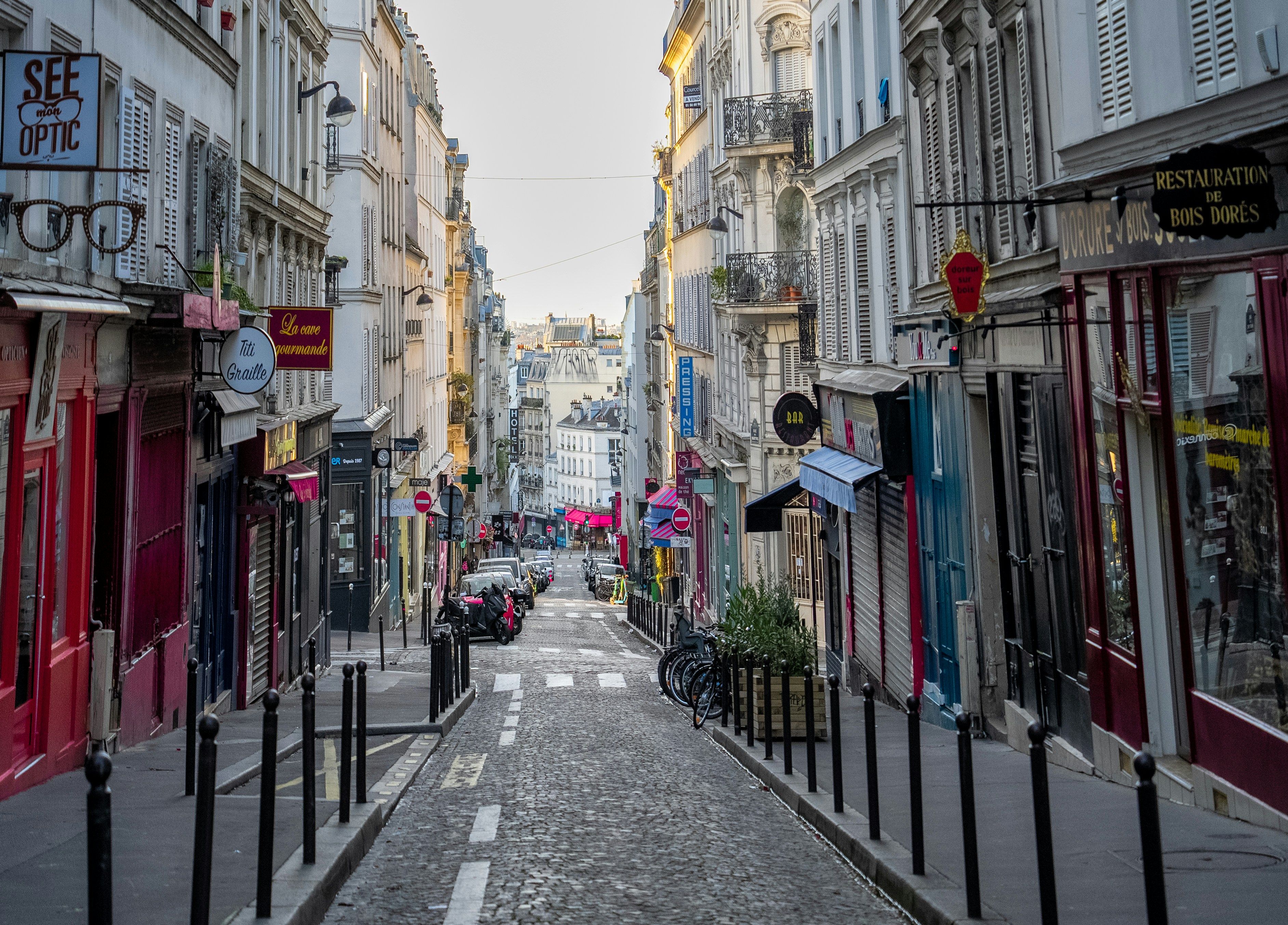
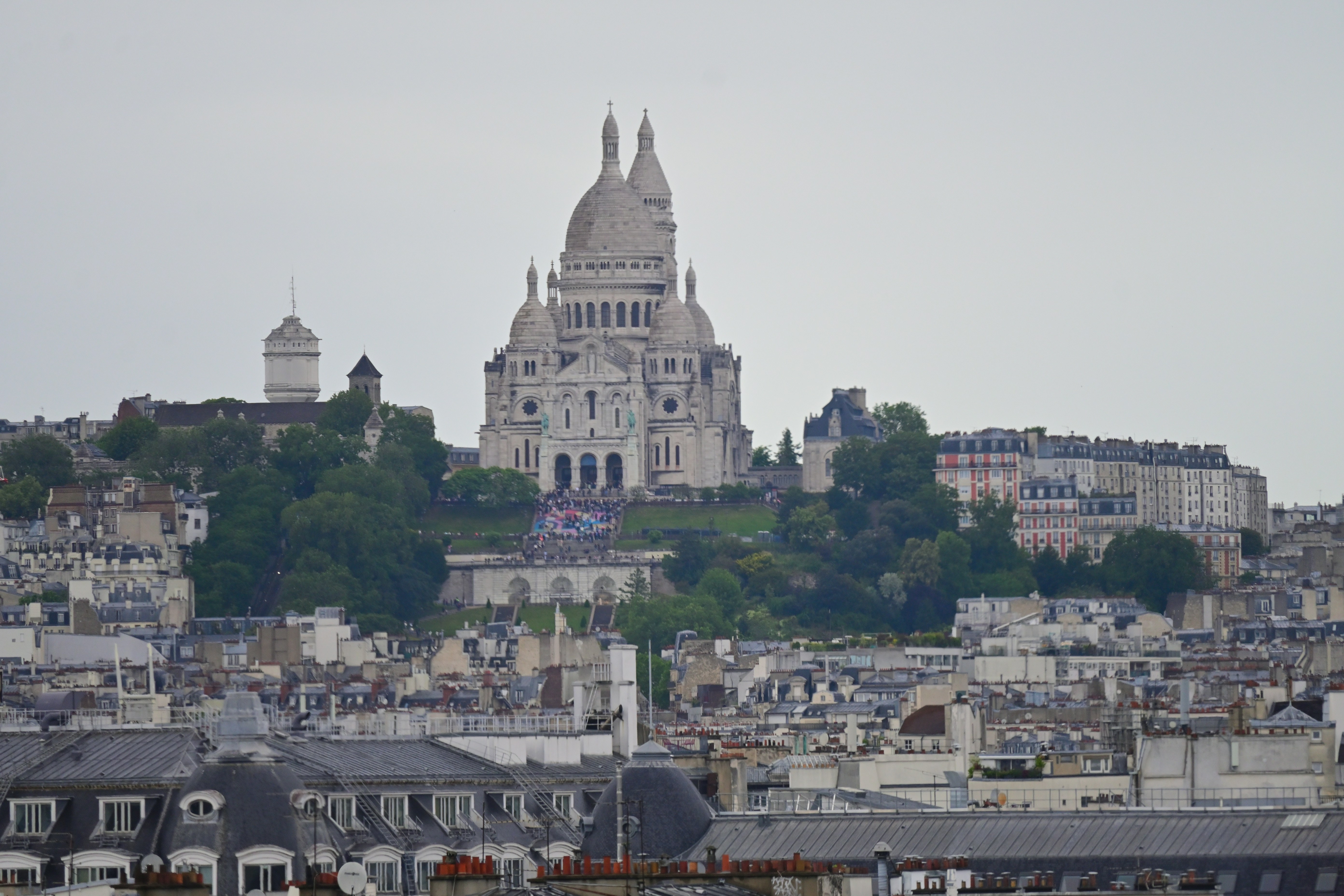
Best Neighbourhoods in Paris
Le Marais The most layered neighbourhood in Paris — medieval streets, magnificent Renaissance architecture, the historic Jewish quarter, and some of the best contemporary art galleries in the city. The Place des Vosges, Paris's oldest planned square, is here, and it is as beautiful at eight in the morning as it is at any other hour. Walk through Le Marais slowly and you will find a Paris that predates the boulevards by several centuries.
Saint-Germain-des-Prés The neighbourhood of Sartre and de Beauvoir, of Hemingway and Fitzgerald, of the intellectual café culture that made Paris the centre of the world's thinking for a century. The cafés are expensive and the neighbourhood is self-conscious, but its beauty is undeniable and its bookshops — particularly Shakespeare and Company across the river — are essential.
Montmartre The hilltop village above Paris that retains, against all odds, something of its original character as an artist's quarter. Come early in the morning, before the tourist buses arrive, and walk the steep streets behind the Sacré-Cœur. The view over Paris from the top is one of the city's great perspectives, and the neighbourhood around the Place du Tertre, before the portrait artists set up, has a quietness that is hard to find elsewhere.
Canal Saint-Martin The most genuinely local neighbourhood on this list — the canal, with its iron footbridges and tree-lined banks, is where young Parisians spend Sunday afternoons. The cafés and restaurants along the canal are excellent and unpretentious. This is the Paris that Amélie was set in, and it is real.
Belleville The most diverse and arguably the most alive neighbourhood in Paris — a melting pot of Chinese, North African, and French cultures that produces extraordinary food and a street art scene of genuine quality. Come for lunch at one of the Chinese restaurants on the Rue de Belleville, stay for the afternoon.
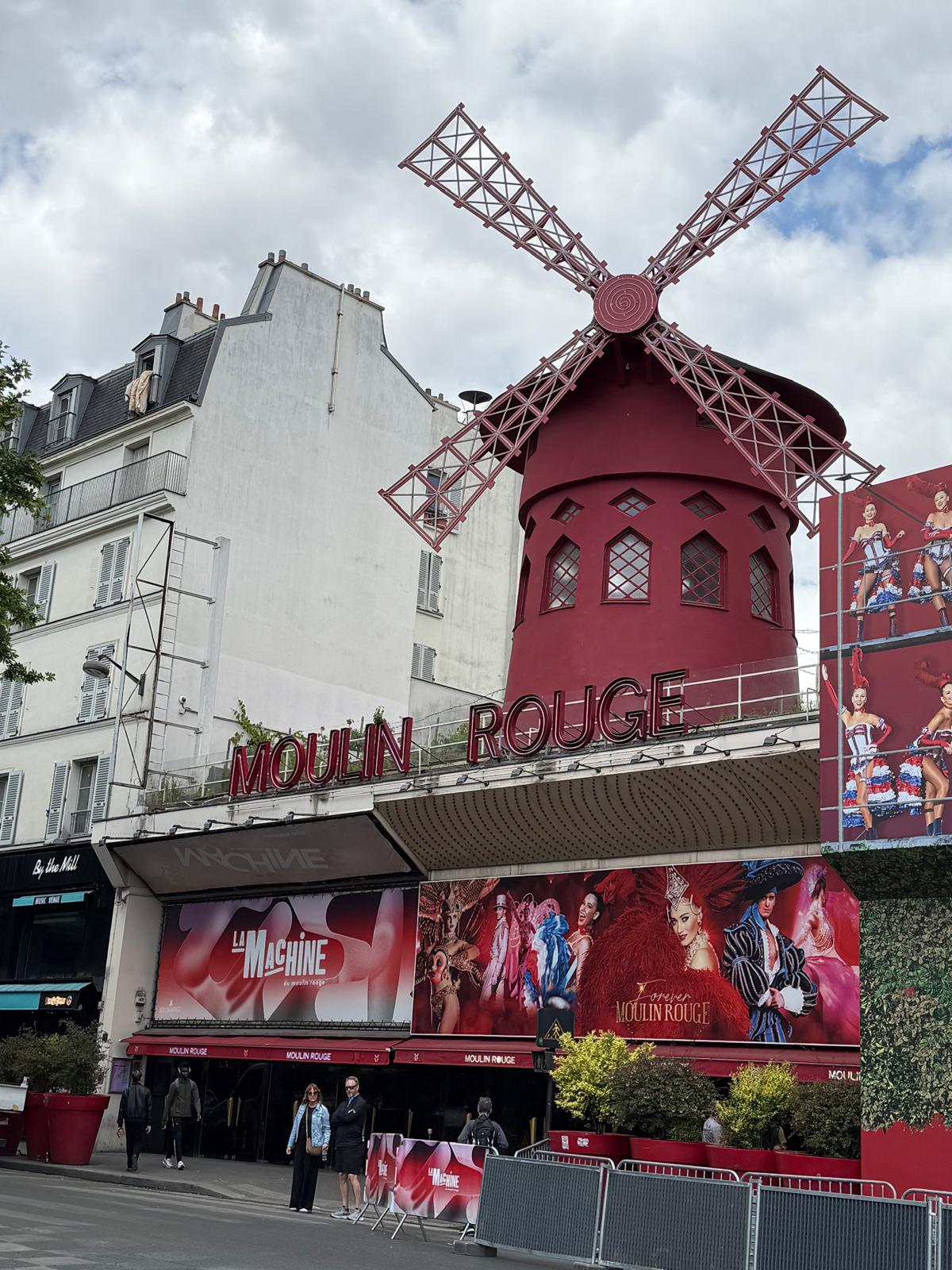
A morning walk through Saint-Germain-des-Prés — the best way to understand the neighbourhood before you arrive.
Best Time to Visit Paris
Best season: October and November, and April to early June. Autumn in Paris is extraordinary — the light, the colours, the sense of the city returning to itself after the summer. Spring brings the chestnuts into bloom and the café terraces back to life. Both seasons offer Paris at its most Parisian.
Avoid: July and August. Paris in high summer is hot, crowded, and operating at reduced capacity — many Parisians leave the city entirely and the restaurants and shops that make it interesting close for the month. August in particular is a city running on fumes.
The insider timing: The Louvre and the Musée d'Orsay are best experienced in the first hour after opening on a weekday. The queues are manageable, the rooms are quiet, and the experience of standing alone in front of a Vermeer or a Monet is worth the early alarm.
For the full case on autumn, read Paris in October: why it's the only season that matters.
Getting Around Paris
Paris is a walking city of extraordinary quality. The arrondissements spiral outward from the centre in a logical sequence that, once understood, makes navigation intuitive. Walk whenever the distance is under thirty minutes — the transitions between neighbourhoods, the unexpected discoveries, the particular quality of Parisian street life are only accessible on foot.
The Métro is efficient, extensive, and essential for longer journeys. The system is logical and well-signed. A carnet of tickets or a day pass is the most economical option. Vélib — the city's bike-share system — is excellent for the flat central arrondissements and gives access to the city at a pace between walking and Metro that is often ideal.
Avoid taxis during rush hour. The city's traffic is significant and the Métro will always be faster between 8-9am and 6-8pm.
Where to Stay in Paris
Le Marais (3rd/4th arrondissement) — Central, beautiful, walkable to everything. The best base in Paris for first-time and returning visitors alike. → https://www.booking.com/search.html?ss=Le+Marais+Paris
Saint-Germain-des-Prés (6th arrondissement) — For those who want the literary Paris, the Left Bank atmosphere, and proximity to the best food markets in the city. → https://www.booking.com/search.html?ss=Saint+Germain+des+Pres+Paris
Canal Saint-Martin (10th arrondissement) — For a more local experience — quieter, cheaper, and connected to the best of contemporary Parisian life. → https://www.booking.com/search.html?ss=Canal+Saint+Martin+Paris
Best Things to Do in Paris
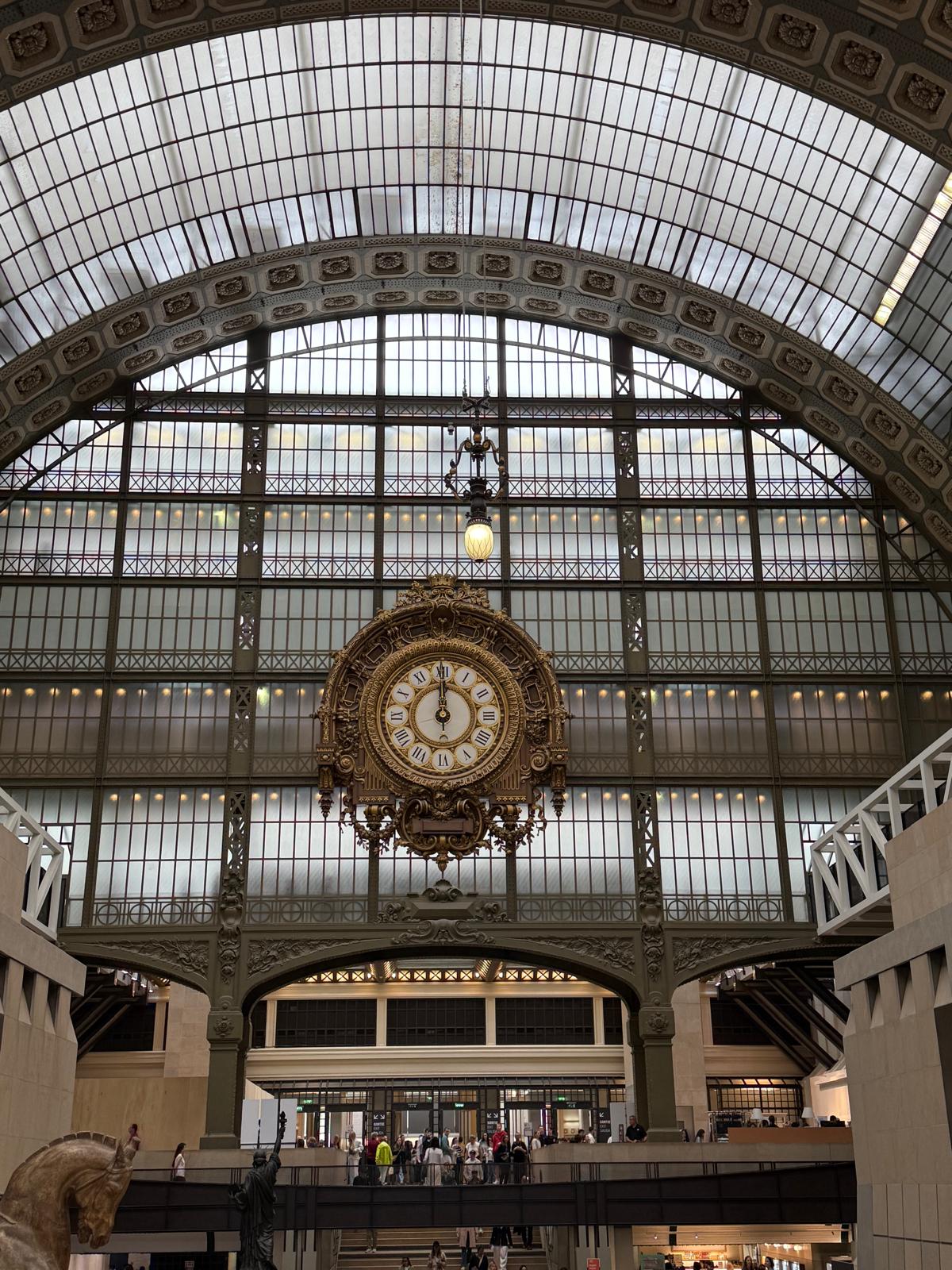
Musée d'Orsay — Early Entry — The finest collection of Impressionist painting in the world, housed in a converted railway station on the Seine. Book the first slot and go directly to the top floor where the Monets and Renoirs live. → https://www.getyourguide.com/paris-l16/musee-d-orsay-skip-the-line-ticket/
Père Lachaise Cemetery Walking Tour — The most beautiful cemetery in the world and one of Paris's great outdoor experiences. Chopin, Proust, Oscar Wilde, Jim Morrison — the cultural density is extraordinary. → https://www.getyourguide.com/paris-l16/pere-lachaise-cemetery-guided-tour/
Early Morning Louvre — The world's largest art museum is best experienced before the crowds arrive. Book the first entry, enter through the Richelieu wing, and work backwards from the less visited galleries. → https://www.getyourguide.com/paris-l16/louvre-museum-skip-the-line-ticket/
Marché d'Aligre Food Market — The best and most authentic food market in Paris, in the 12th arrondissement. Saturday morning, before noon. The wine cave beneath the market is exceptional. → https://www.getyourguide.com/paris-l16/paris-food-market-tour/